
- Your cart is empty
- Continue shopping
-
sales@primiumpoppypods.com
- Posted on
- Categories:Uncategorized
- 0 comments
The Ultimate Guide to Premium Mixed Poppy Blossoms
Poppies have captivated gardeners, landscapers, and botanical enthusiasts for centuries. Their delicate petals, vibrant colors, and resilient nature make them a spectacular addition to any green space. If you want to transform your garden or floral project, understanding the characteristics of premium mixed poppy blossoms is essential. For more on the history and symbolism of poppies, visit the Royal Horticultural Society.
This guide explores the most outstanding varieties, the secrets to successful cultivation, and the aesthetic impact of these exceptional flowers. You will learn how to maximize their beauty, integrate them into your environment with professional-level results, and find out where to buy premium poppy seeds online to kickstart your project. Learn about legal aspects of growing poppies in your area at Gardening Know How.
Poppy Varieties: A Spectacle of Colors
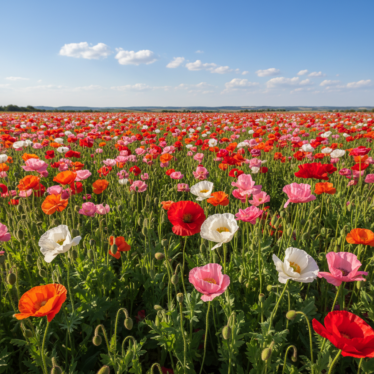
The term “poppy” covers various species within the Papaveraceae family. When we talk about premium mixed selections, we refer to a careful combination of seeds that produce an unmatched tapestry of colors and textures.
Popular Species for Gardens
Several species are typically included in high-quality mixtures to ensure you get the best poppy blossoms for sale on the market:
- Papaver rhoeas (Common Poppy): Famous for its scarlet red color, though premium mixtures include pink, white, and bicolor shades, such as the famous Shirley poppies. More about this species at the Kew Science.
- Papaver somniferum: Known for their large double or single flowers and attractive seed capsules, perfect for dried arrangements. If you want high-quality capsules for decorative purposes, you can explore specialized options at Premium Poppy Pods. For further reading, see Britannica: Opium Poppy.
- Papaver orientale (Oriental Poppy): Perennial species that offer enormous flowers with dark centers, bringing spectacular drama to garden borders. To explore its cultivation, check Fine Gardening.
- Eschscholzia californica (California Poppy): Although it belongs to a different genus, it brings bright orange and yellow tones and tolerates drought exceptionally well. Learn more at California Poppy Reserve.
The Aesthetic Appeal of Mixed Poppy Blossoms
Premium mixed poppy blossoms offer exceptional aesthetic value due to their movement and luminosity. Their petals have a crepe-paper-like texture that catches the sunlight, creating an almost translucent visual effect.
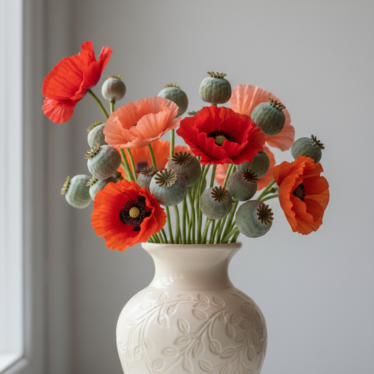
Planting a premium mix achieves a natural color transition. The combination of cool and warm tones generates depth in landscape design. Furthermore, once the petals fall, the remaining seed pods or capsules provide continuous architectural interest, prolonging the garden’s beauty well into autumn. For inspiration, check out Gardenista’s poppy design ideas.
Cultivating and Caring for Premium Poppies
Growing poppies requires attention to specific details, though they are generally very adaptable plants.
Soil Preparation and Sowing
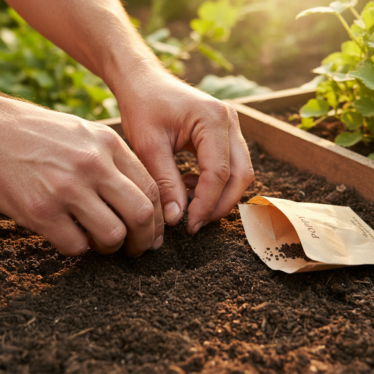
Poppies develop a long taproot, meaning they do not tolerate transplanting well. Follow these steps for successful direct sowing:
- Select the ideal spot: They need full sun. At least six hours of direct sunlight a day guarantees abundant blooming. Sunlight requirements for flowers.
- Prepare the ground: They prefer well-drained soils. If your soil is heavy clay, add sand or compost to improve drainage. Discover more about soil preparation at The Spruce – Soil Types.
- Direct sowing: Scatter the seeds directly onto the soil surface in autumn or early spring. They need light to germinate, so do not bury them; simply press them gently into the dirt. For tips, see Gardeners’ World sowing guide.
Watering and Maintenance
Once established, poppies are quite drought-resistant. Water moderately, allowing the soil to dry out between waterings. Excess moisture promotes fungal growth and root rot. For pest and disease management, visit Royal Horticultural Society pests and diseases hub.
To encourage prolonged blooming, remove wilted flowers from annual varieties. However, if you want to harvest mature capsules for floral arrangements—an art where Premium Poppy Pods truly excels—allow some flowers to complete their natural cycle.
Landscape Integration and Floral Arrangements
In landscaping, mixed poppy blossoms work perfectly in meadow-style or cottage gardens. Planted in large drifts, they create an astonishing visual impact. For garden design tips, visit Better Homes & Gardens. They pair beautifully with gray or silver foliage plants, as well as ornamental grasses.
For floral designers, cut poppies require special treatment. Searing the cut stems with boiling water or a flame for a few seconds prevents the milky sap from escaping, helping the flower last longer in a vase. Learn how to care for cut flowers at Royal Horticultural Society – Cut flowers.
Take the Next Step in Your Floral Project
Incorporating premium mixed poppy blossoms will elevate your garden design and botanical arrangements to a new level of sophistication. Their diversity, resilience, and architectural beauty make them indispensable for any botanical enthusiast.
Ready to explore the decorative potential of poppies beyond their petals? Whether you want to plant a vibrant garden or order decorative poppy pods for your next interior design project, visit Premium Poppy Pods today to discover our exclusive selection of premium botanical materials.
Frequently Asked Questions (FAQ)
What are premium mixed poppy blossoms?
They are high-quality poppy seed mixtures that include various species and varieties (such as Papaver rhoeas, somniferum, and orientale) selected to offer a wide range of vibrant colors, petal shapes, and decorative pods for gardens and floral arrangements. More info on RHS Poppy FAQ.
When is the best time to plant mixed poppy seeds?
The best time for direct sowing is early spring or mid-autumn, depending on your climate. In areas with mild winters, autumn sowing produces stronger plants and earlier blooms. Planting guides can be found at Gardeners’ World Sowing Calendar.
Do poppies need a lot of watering?
No. Established poppies are drought-tolerant. They prefer well-drained soils and spaced waterings. Excess water can damage their taproot systems. Read more at The Old Farmer’s Almanac.
How can I use poppies after they lose their petals?
Once poppy flowers lose their petals, they leave behind highly attractive seed capsules or pods. These pods can be dried and used in long-lasting floral arrangements, decorative wreaths, and botanical craft projects. Find creative ideas at Martha Stewart Crafts.
Can I grow poppies in pots?
Yes, it is possible, as long as you use deep pots to accommodate their long taproot. Make sure to use a light potting mix with excellent drainage, and place the pot in a location that receives full sun. Container gardening guide on BBC.
{
  "@context": "https://schema.org",
  "@type": "FAQPage",
  "mainEntity": [
    {
      "@type": "Question",
      "name": "What are premium mixed poppy blossoms?",
      "acceptedAnswer": {
        "@type": "Answer",
        "text": "They are high-quality poppy seed mixtures that include various species and varieties (such as Papaver rhoeas, somniferum, and orientale) selected to offer a wide range of vibrant colors, petal shapes, and decorative pods for gardens and floral arrangements. More info on RHS Poppy FAQ: https://www.rhs.org.uk/advice/profile?PID=114"
      }
    },
    {
      "@type": "Question",
      "name": "When is the best time to plant mixed poppy seeds?",
      "acceptedAnswer": {
        "@type": "Answer",
        "text": "The best time for direct sowing is early spring or mid-autumn, depending on your climate. In areas with mild winters, autumn sowing produces stronger plants and earlier blooms. Planting guides can be found at Gardeners’ World Sowing Calendar: https://www.gardenersworld.com/plants/poppy/"
      }
    },
    {
      "@type": "Question",
      "name": "Do poppies need a lot of watering?",
      "acceptedAnswer": {
        "@type": "Answer",
        "text": "No. Established poppies are drought-tolerant. They prefer well-drained soils and spaced waterings. Excess water can damage their taproot systems. Read more at The Old Farmer's Almanac: https://www.almanac.com/plant/poppies."
      }
    },
    {
      "@type": "Question",
      "name": "How can I use poppies after they lose their petals?",
      "acceptedAnswer": {
        "@type": "Answer",
        "text": "Once poppy flowers lose their petals, they leave behind highly attractive seed capsules or pods. These pods can be dried and used in long-lasting floral arrangements, decorative wreaths, and botanical craft projects. Find creative ideas at Martha Stewart Crafts: https://www.marthastewart.com/1542075/dried-flower-crafts."
      }
    },
    {
      "@type": "Question",
      "name": "Can I grow poppies in pots?",
      "acceptedAnswer": {
        "@type": "Answer",
        "text": "Yes, it is possible, as long as you use deep pots to accommodate their long taproot. Make sure to use a light potting mix with excellent drainage, and place the pot in a location that receives full sun. Container gardening guide on BBC: https://www.bbc.co.uk/gardening/basics/techniques/growfruitandveg_containergardening1.shtml."
      }
    }
  ]
}
