
- Your cart is empty
- Continue shopping
-
sales@primiumpoppypods.com
- Posted on
- Categories:Uncategorized
- 0 comments
The Complete Guide to Craft Dried Poppy Flowers
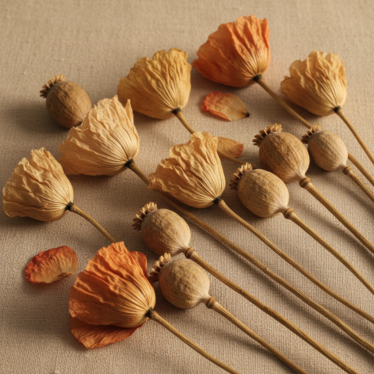
Dried botanical elements bring a raw, earthy texture to home decor that fresh blooms simply cannot match. Among the most striking and versatile options are craft dried poppy flowers. With their distinct spherical seed pods and star-shaped crowns, poppies offer architectural interest to any design project.
Whether you are a professional florist building sustainable centerpieces or a hobbyist creating seasonal wreaths, knowing how to work with these unique stems is essential. This guide will show you exactly how to select, prepare, and design with dried poppies. You will learn the benefits of using organic seedless poppy pods, discover creative applications for floral arrangements, and find answers to the most common questions about working with dried botanicals.
Why Choose Dried Poppy Heads for Crafts?
When you build a floral design, texture matters just as much as color. Dried poppy heads for crafts provide a structural contrast to soft, airy elements like pampas grass or dried eucalyptus. We love using poppy pods because they stand out as a bold focal point while maintaining a neutral, natural color palette.
Using dried flowers also supports sustainable crafting. Fresh flowers have a limited lifespan and often require significant resources to grow and transport quickly. Dried poppies, on the other hand, last for years when properly cared for. This longevity reduces waste and provides excellent value for your creative projects. By choosing dried botanicals, you make an eco-friendly choice that looks beautiful season after season.
Internal Link: Read our guide on sustainable floristry practices
Sourcing Quality Materials: Organic Seedless Poppy Pods
Not all dried flowers are created equal. To achieve the best results in your projects, you need high-quality materials. We highly recommend seeking out organic seedless poppy pods.
Why choose organic? Conventionally grown flowers are often treated with chemical pesticides and synthetic fertilizers. When these flowers dry, the chemical residue remains on the stems and pods. If you handle these materials frequently for crafts, you expose yourself to those compounds. Organic pods give you peace of mind, ensuring your crafting materials are safe and natural.
Furthermore, purchasing seedless pods prevents unwanted mess. Poppy seeds are tiny and easily spill out of the pod vents during transit or while you arrange them. Seedless varieties have already been emptied, keeping your workspace clean and your arrangements tidy.
When shopping, look for pods that have sturdy, intact stems and unblemished crowns. The color should be a natural, dusty blue-green or warm tan, depending on the drying method.
External Link: Learn more about sourcing organic dried poppy pods at The Sill
Creative Ways to Use Dried Poppies in Floral Arrangements
Dried poppy pods are incredibly versatile. Their neutral tones and sculptural shapes make them perfect for various floral arrangements. Here are a few ways you can incorporate them into your next project.
Minimalist Vase Displays
You do not need a complex design to make a statement. A handful of dried poppy stems placed in a textured ceramic or clear glass vase creates a striking, minimalist display. The varied heights of the stems add visual interest, while the natural curve of the stalks gives the arrangement a sense of movement. This simple approach works perfectly for modern, rustic, or Scandinavian-inspired interiors.
Autumn and Winter Wreaths
Wreaths are no longer just for the holidays. You can design stunning seasonal wreaths using dried materials that last for months. To build a textured autumn wreath, wire clusters of dried poppy heads onto a grapevine base. Mix them with dried wheat, preserved oak leaves, and lotus pods. The poppy heads provide a solid, round shape that grounds the more delicate grasses and leaves.
Explore our step-by-step tutorial on making dried botanical wreaths
Mixed Centerpieces and Bouquets
If you want to create a lush, full arrangement, poppy pods serve as excellent supporting elements. In mixed floral arrangements, they provide depth and structure. Try pairing them with dried hydrangeas, bleached ferns, and preserved roses. The smooth, hard surface of the poppy pod contrasts beautifully with the soft, ruffled petals of the dried blooms. You can even spray paint the pods gold or silver to add a festive touch to holiday centerpieces.
How to Prep and Preserve Dried Poppies
To ensure your craft dried poppy flowers last as long as possible, you must prepare and store them correctly.
First, keep your dried poppies away from direct sunlight. Ultraviolet rays will quickly fade their natural colors, turning them a dull gray or brittle white. Find a display spot that receives indirect light to preserve their dusty blue and tan hues.
Second, control the humidity in your environment. Dried flowers act like sponges, absorbing moisture from the air. If you place them in a damp room, like a bathroom, they may become limp or develop mold. Keep your floral arrangements in dry, well-ventilated spaces.
Finally, dust your arrangements regularly. Over time, dust will settle into the crevices of the poppy crowns. Use a soft-bristled makeup brush or a hairdryer on the lowest, coolest setting to gently blow away the dust without damaging the fragile pods.
Read tips on preserving dried flowers at Interflora
Frequently Asked Questions (FAQ)
What are dried poppy heads used for?
Dried poppy heads are used primarily for crafting, home decor, and floral arrangements. Florists and hobbyists use their structural shape to add texture and visual interest to wreaths, bouquets, and minimalist vase displays.
Are dried poppy pods safe for crafting?
Yes, dried poppy pods are completely safe for crafting. We recommend purchasing organic seedless poppy pods to avoid chemical pesticides and prevent seeds from spilling while you work on your projects.
How long do dried poppy flowers last?
Dried poppy flowers can last between one and three years, or even longer, if cared for properly. Keep them out of direct sunlight and away from high humidity to maintain their color and structural integrity.
Can I paint or dye dried poppy pods?
Yes, you can easily paint or dye dried poppy pods. Their hard, smooth surface takes spray paint and acrylics very well, allowing you to customize them for specific color palettes or festive holiday designs.
How do I clean dust off my dried floral arrangements?
You can clean dust off dried floral arrangements using a soft makeup brush or a hairdryer. Set the hairdryer to its lowest, coolest setting and gently blow the dust off the pods from a safe distance to avoid breaking the stems.
Conclusion
Craft dried poppy flowers are a brilliant addition to any creative toolkit. By incorporating organic seedless poppy pods into your floral arrangements, you add lasting texture, structural beauty, and sustainable elements to your decor. Whether you are arranging a simple vase for your dining table or building an intricate wreath, these unique botanicals will elevate your design. Start sourcing your dried materials today and bring the natural, architectural beauty of poppies into your home.
Schema Markup
{
  "@context": "https://schema.org",
  "@graph": [
    {
      "@type": "Article",
      "headline": "The Complete Guide to Craft Dried Poppy Flowers",
      "description": "Discover how to use dried poppy heads for crafts. Learn to source organic seedless poppy pods and design stunning floral arrangements in this complete guide.",
      "author": {
        "@type": "Organization",
        "name": "Floral Crafting Experts"
      },
      "mainEntityOfPage": {
        "@type": "WebPage"
      }
    },
    {
      "@type": "FAQPage",
      "mainEntity": [
        {
          "@type": "Question",
          "name": "What are dried poppy heads used for?",
          "acceptedAnswer": {
            "@type": "Answer",
            "text": "Dried poppy heads are used primarily for crafting, home decor, and floral arrangements. Florists and hobbyists use their structural shape to add texture and visual interest to wreaths, bouquets, and minimalist vase displays."
          }
        },
        {
          "@type": "Question",
          "name": "Are dried poppy pods safe for crafting?",
          "acceptedAnswer": {
            "@type": "Answer",
            "text": "Yes, dried poppy pods are completely safe for crafting. We recommend purchasing organic seedless poppy pods to avoid chemical pesticides and prevent seeds from spilling while you work on your projects."
          }
        },
        {
          "@type": "Question",
          "name": "How long do dried poppy flowers last?",
          "acceptedAnswer": {
            "@type": "Answer",
            "text": "Dried poppy flowers can last between one and three years, or even longer, if cared for properly. Keep them out of direct sunlight and away from high humidity to maintain their color and structural integrity."
          }
        },
        {
          "@type": "Question",
          "name": "Can I paint or dye dried poppy pods?",
          "acceptedAnswer": {
            "@type": "Answer",
            "text": "Yes, you can easily paint or dye dried poppy pods. Their hard, smooth surface takes spray paint and acrylics very well, allowing you to customize them for specific color palettes or festive holiday designs."
          }
        },
        {
          "@type": "Question",
          "name": "How do I clean dust off my dried floral arrangements?",
          "acceptedAnswer": {
            "@type": "Answer",
            "text": "You can clean dust off dried floral arrangements using a soft makeup brush or a hairdryer. Set the hairdryer to its lowest, coolest setting and gently blow the dust off the pods from a safe distance to avoid breaking the stems."
          }
        }
      ]
    }
  ]
}
