Red Poppy Powder: The Complete Guide to Uses, Benefits, Quality & Sourcing
Red poppy powder is a finely ground botanical material made from the dried seed capsules of the poppy plant. People reach for it in kitchens, craft studios, and wellness routines because of its warm reddish-brown color, earthy character, and remarkable versatility. This guide brings everything together in one place: what it is, where it comes from, how it’s made, what it offers, and how to buy it with confidence.
By the end, you’ll understand its nutritional value, common uses, the quality signals that separate premium from average, the sourcing and storage habits that protect your investment, and the legal points worth knowing before you purchase. Let’s start with the basics.
What Is Red Poppy Powder?
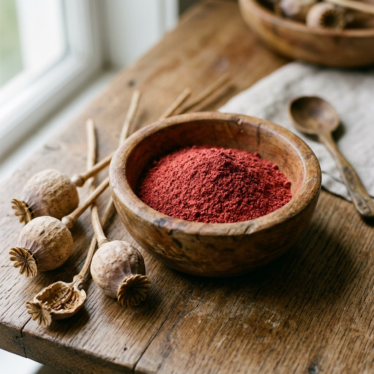
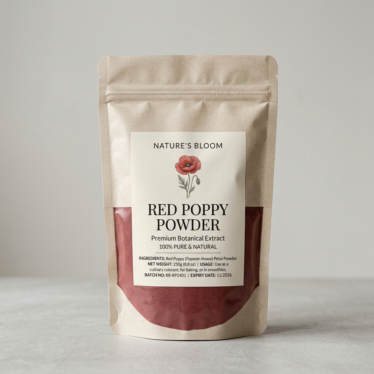
Red poppy powder is a fine powder created by grinding dried poppy seed pods into a smooth, workable material. The “red” name refers to the warm, reddish-brown tone the powder takes on once the pods are fully dried and milled. In short, it’s a versatile botanical powder used across kitchens, craft studios, and wellness spaces.
Here’s what makes it distinct:
Source: Dried seed capsules (pods), not the seeds alone
Texture: Fine and consistent when properly milled
Color: Ranges from tan to deep reddish-brown
Applications: Culinary flavoring, crafts, floral art, and wellness blends
Many people confuse poppy powder with poppy seeds. They aren’t the same. Poppy seeds come from inside the pod, while the powder comes from grinding the whole dried pod. Because it uses the entire seed capsule, it carries a different color, texture, and nutritional profile than loose seeds. For a deeper botanical breakdown, see this complete poppy powder botanical guide.
Why Red Poppy Powder Is So Popular
Red poppy powder has quietly earned a spot in projects around the world. People choose it for a few clear reasons:
Versatility: It works across cooking, crafts, and wellness projects.
Natural color: The rich tone adds warmth to food and décor alike.
Rich texture: Fine, even milling makes it easy to blend and shape.
Botanical appeal: As a plant-based material, it fits naturally into handmade and rustic projects.
That flexibility is what keeps it in demand. One ingredient serves the baker, the crafter, the florist, and the wellness enthusiast, which is rare for a single botanical material.
Botanical Origins: Papaver somniferum
Red poppy powder comes from Papaver somniferum, the plant commonly known as the opium poppy. Despite the name, the dried pods used for powder are widely traded for decorative, culinary, and craft purposes.
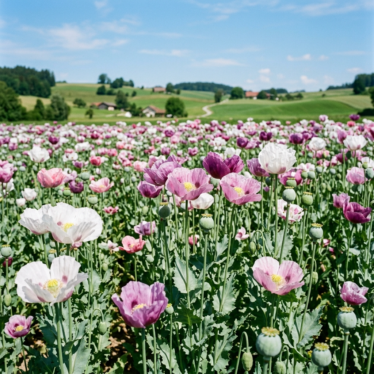
Papaver somniferum is an annual flowering plant native to the eastern Mediterranean region. It has been cultivated for thousands of years for its seeds, oil, and ornamental pods. The plant produces large, showy flowers followed by rounded seed capsules that dry into the pods used for powder.
Key botanical facts:
Plant family: Papaveraceae
Genus and species:Papaver somniferum
Part used for powder: The dried seed capsule (pod)
Growth cycle: Annual, flowering in late spring to summer
You can explore verified botanical details through resources like Kew Royal Botanic Gardens and Britannica’s poppy entry. Understanding the plant helps you appreciate why careful harvesting and drying make such a difference in the final powder.
How Red Poppy Powder Is Made
Making red poppy powder involves harvesting, drying, and milling. The process is simple in principle but demands care to protect quality.
Here’s the step-by-step process:
Harvesting: Growers collect mature seed pods once they reach full size and begin to dry on the plant.
Drying: The pods dry fully to remove moisture. This step deepens the color and prevents mold.
Cleaning: Dried pods are cleaned of debris, stems, and loose seeds.
Grinding: The pods are milled into a fine, even powder.
Sifting: The powder is sifted to remove coarse fragments and ensure a smooth texture.
Proper drying is the most important stage. Under-dried pods produce clumpy powder that spoils faster. Well-dried pods yield the rich reddish-brown color that gives the product its name. For a detailed look at pod-based powder production, read the dried poppy pod powder authority guide.
Nutritional Profile and Benefits
Poppy pod powder is a source of several essential nutrients. While it’s often valued for flavor and craft uses, it also carries measurable nutritional content. These minerals occur naturally in the seed capsule, making the powder more than just a decorative or flavoring ingredient.
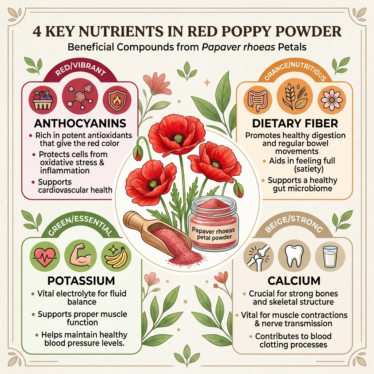
Red poppy powder contains notable levels of:
Calcium – supports bone and muscle function
Magnesium – aids nerve and muscle activity
Iron – helps carry oxygen through the blood
Dietary fiber – supports healthy digestion
The powder also contributes small amounts of plant compounds found throughout the pod. For general mineral reference values, the USDA FoodData Central database is a reliable nutritional source. Keep in mind that nutritional benefit depends heavily on quality and purity—another reason sourcing matters so much.
Quick takeaway: Red poppy powder delivers calcium, magnesium, iron, and dietary fiber, making it a mineral-rich botanical ingredient.
Uses of Red Poppy Powder
The real strength of red poppy powder is how many different projects it fits into. Its fine texture and warm color make it useful across four main areas: baking, crafts, wellness, and floral design.
Baking and Cooking
In the kitchen, poppy powder adds a subtle, nutty depth to recipes. Common culinary uses include:
Cakes, breads, and pastries
Spice blends and seasoning mixes
Sauces and sweet fillings
Traditional regional dishes
Its earthy note pairs well with both sweet and savory food. For more recipe ideas and pairing tips, browse this detailed poppy powder uses guide.
Crafts and Decorative Projects
Crafters love the powder for its warm tone and fine texture. Common decorative uses include:
Mixed-media and botanical art
Handmade paper with textured finishes
Potpourri blends for natural home fragrance
Rustic and seasonal décor accents
The reddish-brown color brings warmth to autumn and holiday projects especially. You’ll find more project-based ideas in the dried poppy pod powder authority guide.
Wellness Blends
Some people add small amounts of poppy powder to homemade wellness blends. Because responsible use is essential, always follow trusted guidance and local regulations before consuming any botanical product. Moderation and quality sourcing matter most here.
Floral Design
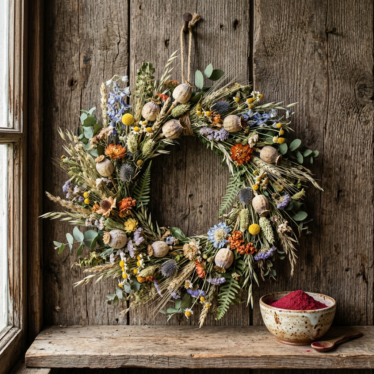
Poppy pods and powder are staples in the floral world. Designers use them for:
Dried flower arrangements
Wreaths and centerpieces
Textured accents in bouquets
Natural, earthy display pieces
The organic shape of the pods paired with the powder’s warm tone gives arrangements a distinctive, handcrafted feel.
Why Quality Matters More Than You Think
Quality is where many buyers get caught out. Poorly dried or carelessly milled powder loses color, clumps quickly, and can spoil faster. Premium poppy pod powder, on the other hand, stays consistent from batch to batch. Knowing what to look for helps you buy with confidence.
Signs of high-quality red poppy powder:
Consistent color: Even reddish-brown tone without pale or dark patches
Fine texture: Smooth and free of large, gritty fragments
Dry feel: No clumping, moisture, or damp smell
Clean aroma: Earthy and natural, never musty
Clear labeling: Origin, batch details, and intended use stated plainly
Because the powder comes from Papaver somniferum, a plant cultivated for thousands of years, careful harvesting and drying make an enormous difference in the finished product. Quality control at every stage is what protects both color and purity.
How to Source and Store Poppy Powder
Smart sourcing protects both quality and your investment. A specialized supplier controls every stage, from harvest through milling, which means fewer surprises and more reliable results. Buying from a dedicated source also reduces the risk of contamination or inconsistent grinding.
When you’re ready to buy poppy powder, keep this checklist in mind:
Confirm legality in your area first.
Choose a specialized supplier with clear, transparent sourcing information.
Check the color and texture described on the product page.
Review the intended use listed by the seller.
Read storage and handling guidance before purchase.
Once you have your powder, store it well to keep it in top shape:
Keep it in an airtight container.
Store it in a cool, dark place away from sunlight.
Avoid humidity, which causes clumping and spoilage.
A dedicated supplier gives you consistency batch after batch. That reliability matters whether you’re baking, crafting, or building floral designs. You can review full product specifications on the poppy powder product page to compare quality before you buy.
Legal Considerations
Because red poppy powder comes from Papaver somniferum, legal rules vary by country and region. It’s essential to understand and follow the laws that apply to you.
Key points to keep in mind:
Regulations differ by location. Some regions restrict the sale, purchase, or use of poppy pod products.
Intended use matters. Decorative and craft uses are often treated differently from other applications.
Check local law first. Always confirm what’s permitted where you live before buying or using the powder.
We strongly encourage responsible, lawful use. When in doubt, consult local authorities or official government resources for current rules. A full legal overview is available in the botanical guide to origins, quality, and legal considerations.
Quick takeaway: Laws around poppy pod powder vary widely. Always verify local regulations before you buy or use it.
Key Takeaways
Here’s a quick recap of what you learned about red poppy powder:
What it is: A fine powder made from dried poppy seed pods, with a warm reddish-brown color.
Origin: Derived from Papaver somniferum, part of the Papaveraceae family.
How it’s made: Harvested, dried, cleaned, milled, and sifted for a smooth texture.
Nutrition: Contains calcium, magnesium, iron, and dietary fiber.
Uses: Baking, crafts, wellness blends, floral design, and potpourri.
Quality: Look for even color, fine texture, dryness, clean aroma, and clear labeling.
Sourcing and storage: Choose a transparent supplier; store airtight, cool, dark, and dry.
Legal: Always check local laws before buying or using.
Whether you’re flavoring a recipe or crafting a seasonal arrangement, quality and lawful sourcing make all the difference. Explore verified product details and start your project on the right foot by visiting the poppy powder product page.
Ready to Buy Poppy Powder?
If you’re ready to bring quality red poppy powder into your kitchen, craft studio, or floral work, start with a trusted source. Visit the poppy powder product page to view current options, check specifications, and choose the right batch for your next project.
Frequently Asked Questions
Quick, direct answers to the most common questions about red poppy powder—covering what it is, how it’s made, how people use it, and how to buy it wisely.
What is red poppy powder?
Red poppy powder is a fine botanical powder made by grinding dried poppy seed pods into a smooth material. The “red” refers to the warm, reddish-brown color the pods develop once fully dried and milled. It comes from the seed capsules of the poppy plant, not the seeds alone, and people use it across baking, crafts, wellness blends, and floral design. For a full botanical breakdown, see the poppy powder botanical guide.
What is red poppy powder made from?
Red poppy powder is made from the dried seed capsules—commonly called pods—of Papaver somniferum, part of the Papaveraceae plant family. The whole dried pod is ground into powder, which gives it a richer color and texture than plain poppy seeds. This plant has been cultivated for thousands of years for its seeds, oil, and ornamental pods.
Is red poppy powder the same as poppy seeds?
No, they are not the same. Poppy seeds come from inside the pod, while red poppy powder is made by grinding the whole dried pod. Because the powder uses the entire seed capsule, it carries a different color, texture, and nutritional profile than loose seeds. This is why the two are used for different purposes.
How is red poppy powder made?
Red poppy powder is made through a simple five-step process: harvesting, drying, cleaning, grinding, and sifting. Mature pods are collected once fully sized, dried fully to remove moisture and deepen color, cleaned of debris and loose seeds, milled into a fine powder, and sifted for a smooth texture. Proper drying matters most, since under-dried pods produce clumpy powder that spoils faster. Learn more in the dried poppy pod powder authority guide.
What is red poppy powder used for?
Red poppy powder has three main uses: cooking, wellness, and crafts. In baking it flavors cakes, breads, pastries, sauces, and spice blends. In crafts it works for botanical art, handmade paper, and potpourri. It’s also popular in floral design for dried arrangements, wreaths, and centerpieces, and in small amounts within homemade wellness blends. For recipes and pairing tips, browse the poppy powder uses guide.
Can you bake with red poppy powder?
Yes, red poppy powder is popular in baking for the subtle, nutty depth it adds to recipes. It works well in cakes, breads, pastries, sauces, sweet fillings, and traditional regional dishes. Its earthy note pairs nicely with both sweet and savory flavors. Always use quality, food-safe powder from a transparent supplier for culinary projects.
How is red poppy powder used in crafts and floral design?
Crafters and floral designers value red poppy powder for its warm reddish-brown tone and fine texture, especially in rustic and seasonal projects. Common uses include mixed-media and botanical art, handmade paper with textured finishes, potpourri blends for natural fragrance, and dried flower arrangements and wreaths. The organic look pairs beautifully with autumn and holiday décor.
What are the nutritional benefits of red poppy powder?
Red poppy powder is a source of several essential minerals that occur naturally in the seed capsule. It contains notable levels of calcium for bone and muscle function, magnesium for nerve and muscle activity, iron to help carry oxygen through the blood, and dietary fiber for healthy digestion. Nutritional value depends on quality and purity, which is another reason careful sourcing matters.
How can you tell if red poppy powder is high quality?
High-quality red poppy powder has an even reddish-brown color, a fine texture, and a dry feel with a clean, natural aroma. Look for consistent color with no pale or dark patches, no clumping or moisture, no musty smell, and clear labeling that states origin, batch, and intended use. Poorly dried powder loses color and spoils faster, so quality control matters at every stage.
Where should you buy red poppy powder?
Buy red poppy powder from a specialized supplier that controls every stage, from harvest to milling, and states its sourcing clearly. A dedicated supplier gives you consistency batch after batch, whether you’re baking, crafting, or building floral designs. You can review current options and full specifications on the poppy powder product page before you buy.
How do you store red poppy powder to keep it fresh?
Store red poppy powder in an airtight container, in a cool, dark place away from sunlight and humidity. Keep it sealed, store it away from direct sunlight, and avoid humid areas, which cause clumping and spoilage. Proper storage protects both the color and texture, extending the powder’s usable life.
Is red poppy powder legal to buy?
It depends on where you live. Because red poppy powder comes from Papaver somniferum, regulations vary by country and region. Rules differ by location, intended use often matters, and decorative or craft uses may be treated differently. Always confirm local law before buying or using the powder and consult local authorities when unsure. For a fuller overview, see the botanical guide to origins, quality, and legal considerations.
Is red poppy powder safe to consume?
If you plan to consume red poppy powder, use only food-safe, high-quality powder from a transparent supplier and follow trusted guidance and local regulations. Responsible, moderate use is essential. Because rules and safety considerations vary, always confirm what applies in your region and consult local authorities or official resources when you’re unsure.
{
  "@context": "https://schema.org",
  "@type": "FAQPage",
  "mainEntity": [
    {
      "@type": "Question",
      "name": "What is red poppy powder?",
      "acceptedAnswer": {
        "@type": "Answer",
        "text": "Red poppy powder is a fine botanical powder made by grinding dried poppy seed pods into a smooth material. The 'red' refers to the warm, reddish-brown color the pods develop once fully dried and milled. It comes from the seed capsules of the poppy plant, not the seeds alone, and is used across baking, crafts, wellness blends, and floral design."
      }
    },
    {
      "@type": "Question",
      "name": "What is red poppy powder made from?",
      "acceptedAnswer": {
        "@type": "Answer",
        "text": "Red poppy powder is made from the dried seed capsules—commonly called pods—of Papaver somniferum, part of the Papaveraceae plant family. The whole dried pod is ground into powder, giving it a richer color and texture than plain poppy seeds."
      }
    },
    {
      "@type": "Question",
      "name": "Is red poppy powder the same as poppy seeds?",
      "acceptedAnswer": {
        "@type": "Answer",
        "text": "No, they are not the same. Poppy seeds come from inside the pod, while red poppy powder is made by grinding the whole dried pod. Because the powder uses the entire seed capsule, it carries a different color, texture, and nutritional profile than loose seeds."
      }
    },
    {
      "@type": "Question",
      "name": "How is red poppy powder made?",
      "acceptedAnswer": {
        "@type": "Answer",
        "text": "Red poppy powder is made through a five-step process: harvesting mature pods, drying them fully to remove moisture, cleaning out debris and loose seeds, grinding the pods into a fine powder, and sifting for a smooth texture. Proper drying matters most, since under-dried pods produce clumpy powder that spoils faster."
      }
    },
    {
      "@type": "Question",
      "name": "What is red poppy powder used for?",
      "acceptedAnswer": {
        "@type": "Answer",
        "text": "Red poppy powder has three main uses: cooking, wellness, and crafts. In baking it flavors cakes, breads, pastries, sauces, and spice blends. In crafts it is used for botanical art, handmade paper, and potpourri. It is also popular in floral design for dried arrangements, wreaths, and centerpieces, and in small amounts within homemade wellness blends."
      }
    },
    {
      "@type": "Question",
      "name": "Can you bake with red poppy powder?",
      "acceptedAnswer": {
        "@type": "Answer",
        "text": "Yes, red poppy powder is popular in baking for the subtle, nutty depth it adds to recipes. It works well in cakes, breads, pastries, sauces, sweet fillings, and traditional regional dishes. Always use quality, food-safe powder from a transparent supplier for culinary projects."
      }
    },
    {
      "@type": "Question",
      "name": "How is red poppy powder used in crafts and floral design?",
      "acceptedAnswer": {
        "@type": "Answer",
        "text": "Crafters and floral designers value red poppy powder for its warm reddish-brown tone and fine texture. Common uses include mixed-media and botanical art, handmade paper with textured finishes, potpourri blends, and dried flower arrangements and wreaths. The organic look pairs beautifully with autumn and holiday décor."
      }
    },
    {
      "@type": "Question",
      "name": "What are the nutritional benefits of red poppy powder?",
      "acceptedAnswer": {
        "@type": "Answer",
        "text": "Red poppy powder is a source of several essential minerals that occur naturally in the seed capsule, including calcium for bone and muscle function, magnesium for nerve and muscle activity, iron to help carry oxygen through the blood, and dietary fiber for healthy digestion. Nutritional value depends on quality and purity."
      }
    },
    {
      "@type": "Question",
      "name": "How can you tell if red poppy powder is high quality?",
      "acceptedAnswer": {
        "@type": "Answer",
        "text": "High-quality red poppy powder has an even reddish-brown color, a fine and smooth texture, and a dry feel with a clean, natural aroma. Look for consistent color with no patches, no clumping or moisture, no musty smell, and clear labeling that states origin, batch, and intended use. Poorly dried powder loses color and spoils faster."
      }
    },
    {
      "@type": "Question",
      "name": "Where should you buy red poppy powder?",
      "acceptedAnswer": {
        "@type": "Answer",
        "text": "Buy red poppy powder from a specialized supplier that controls every stage from harvest to milling and states its sourcing clearly. A dedicated supplier gives you consistency batch after batch, whether you're baking, crafting, or building floral designs."
      }
    },
    {
      "@type": "Question",
      "name": "How do you store red poppy powder to keep it fresh?",
      "acceptedAnswer": {
        "@type": "Answer",
        "text": "Store red poppy powder in an airtight container, in a cool, dark place away from sunlight and humidity. Keep it sealed, store it away from direct sunlight, and avoid humid areas, which cause clumping and spoilage. Proper storage protects the color and texture and extends the powder's usable life."
      }
    },
    {
      "@type": "Question",
      "name": "Is red poppy powder legal to buy?",
      "acceptedAnswer": {
        "@type": "Answer",
        "text": "It depends on where you live. Because red poppy powder comes from Papaver somniferum, regulations vary by country and region. Rules differ by location, intended use often matters, and decorative or craft uses may be treated differently. Always confirm local law before buying or using the powder and consult local authorities when unsure."
      }
    },
    {
      "@type": "Question",
      "name": "Is red poppy powder safe to consume?",
      "acceptedAnswer": {
        "@type": "Answer",
        "text": "If you plan to consume red poppy powder, use only food-safe, high-quality powder from a transparent supplier and follow trusted guidance and local regulations. Responsible, moderate use is essential, and because rules and safety considerations vary, always confirm what applies in your region."
      }
    }
  ]
}

sales@primiumpoppypods.com