
- Your cart is empty
- Continue shopping
-
sales@primiumpoppypods.com
- Posted on
- Categories:Uncategorized
- 0 comments
Premium Blue Poppy Seeds: The Ultimate Buy, Grow & Use Guide
Tiny seeds, huge personality! Premium blue poppy seeds bring a nutty crunch, a deep slate-blue shimmer, and a quiet nutritional boost to everything they touch. One sprinkle transforms a plain bagel into something bakery-worthy. One spoonful folded into a filling makes your strudel taste like it came straight from a European patisserie.
Here’s the honest truth I learned the hard way: not all poppy seeds are equal. The gap between ordinary and premium is bigger than most shoppers realize. Truly premium seeds taste richer, last longer, and come from sources you can actually trust. This guide walks you through every answer you need before you buy — varieties, benefits, kitchen uses, growing, quality checks, storage, and exactly how to order the good stuff online. Let’s dig in together!
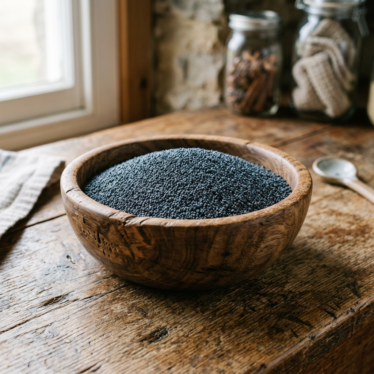
What Are Premium Blue Poppy Seeds?
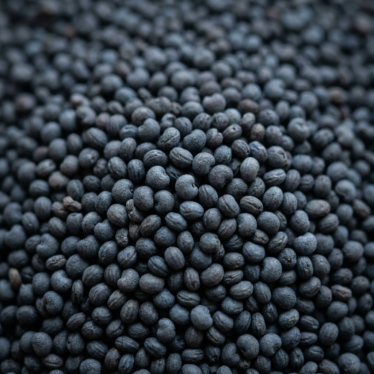
Premium blue poppy seeds are high-grade seeds harvested from the Papaver somniferum plant, prized for their deep slate-blue to blue-black color and bold, nutty flavor. They are uniform in color, clean of debris, and carefully harvested. Premium grade simply means better taste, longer shelf life, and reliable quality in baking, fillings, and garnishes.
Despite the name, these seeds aren’t a bright, vivid blue. They range from deep slate-grey to a rich, almost blue-black shade. Each seed is tiny, oil-rich, and bursting with a slightly sweet, nutty punch.
These little gems have been kitchen staples across Europe and Asia for centuries. You’ll spot them in German Mohnstrudel, Polish makowiec, Indian spice pastes, and scattered generously over fresh New York bagels. The blue variety stands out because its flavor runs stronger and more aromatic than the white or brown types. Curious about the plant’s full backstory? The Wikipedia entry on Papaver somniferum gives a solid overview of its history and varieties.
So what earns a seed the “premium” title? It comes down to grade and care during harvest. The best seeds share these traits:
- Color: Deep, even blue to dark grey with no faded patches
- Flavor: Rich, nutty, and slightly sweet
- Texture: Firm with a satisfying crunch that signals freshness
- Cleanliness: Free of stems, dust, and broken bits
When you know exactly what you’re buying, you pick seeds that match your recipe — and you never overpay for the wrong grade. Ready to compare options side by side? Browse the shop to see the full range.
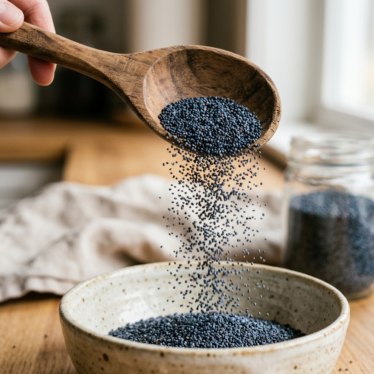
What Makes Blue Poppy Seeds “Premium”?
This is the question that trips up most shoppers, so let’s slow down and break it apart. “Premium” isn’t just a marketing word slapped on a label. It reflects real differences in how seeds are grown, harvested, cleaned, and stored.
Here’s what separates premium blue poppy seeds from the budget bin:
- Careful sourcing. Premium seeds come from trusted farms that name their origin and harvest details. Transparency is your first clue.
- Uniform grading. Top-grade seeds are sorted for even color and size. A bag full of mismatched, faded seeds is a red flag.
- Clean processing. Premium batches are free of stems, grit, and broken seeds, so what you pour into your bowl is pure flavor.
- Smart storage. Because the seeds are oil-rich, careful storage protects their natural oils from turning rancid before they reach you.
- Sealed, fresh delivery. Quick shipping in airtight packaging keeps everything crisp and aromatic.
Here’s a tip I swear by: open the bag and take a deep sniff. Premium seeds smell fresh and nutty, almost like toasted nuts. If you catch even a hint of something musty, sour, or oily, the quality has slipped. Your nose rarely lies!
For the freshest, best-graded option, the blue poppy pod seeds page lists clear quantity choices so you can start small and reorder your favorites.
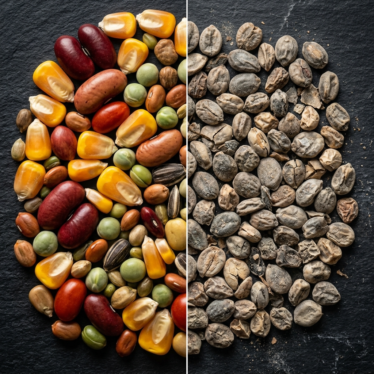
Why Quality Matters More Than You Think
Let me share a quick story. I once grabbed a cheap bag of poppy seeds for a lemon cake, and the result was flat, faintly bitter, and just… disappointing. The next time, I used premium seeds, and the difference was night and day. That warm, nutty aroma filled the whole kitchen!
Quality isn’t just a feeling, though. It reflects real differences in how seeds are handled from farm to pantry. Because poppy seeds are oil-rich, they turn rancid fast when handled carelessly. That’s why sourcing and storage matter so much.
Cheaper, lower-grade seeds often arrive faded, dusty, or already turning rancid. When you choose premium, you get even color, a clean nutty aroma, and sealed, fresh delivery — and the flavor difference in your baking is night and day! The most common mistake? Trusting the word “premium” on a label without checking. My favorite test is still that quick sniff. Fresh seeds smell nutty and inviting; any musty or oily hint means the quality has slipped.
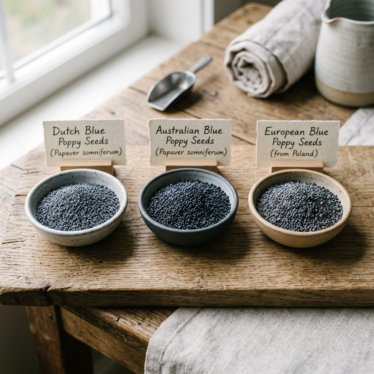
Blue Poppy Seed Varieties: Dutch, Australian, and European Culinary
Not all blue poppy seeds taste or look the same. Knowing the differences helps you order with total confidence.
- Dutch blue seeds: Deep blue-grey and prized for baking and rich pastry fillings. They hold their shape beautifully.
- Australian blue seeds: Clean, uniform, and known for consistent quality batch after batch. A safe bet if you want reliability.
- European culinary blue: Bold and nutty, ideal for breads, rolls, and traditional sweet bakes.
All three deliver the classic rich, nutty flavor in slightly different profiles. Then there’s the whole-versus-ground choice. Whole seeds keep their freshness longer and give you full control over texture. Ground forms save you prep time. Want something ready to use right away? Our poppy powder delivers consistent results without any grinding.
If you’re a gardener rather than a baker, the story shifts. Culinary seeds are grown for flavor, while ornamental poppies produce those breathtaking blooms. For ornamental growing and planting, check our detailed blue poppy seeds for planting guide, which covers species, sowing, and care.
Blue Poppy Seeds for Baking and Everyday Cooking
Your kitchen just got a serious upgrade! Blue poppy seeds shine in both sweet and savory dishes, and their flavor really comes alive once you know how to handle them. This is where blue poppy seeds for baking truly earn their reputation.
Here are my favorite ways to use them:
- Baking: Fold them into muffins, bagels, rolls, and loaf cakes for a gentle crunch and a beautiful speckled finish.
- Pastry fillings: Grind them with honey or milk for classic strudel and cake centers. This is where the blue variety truly sings.
- Salad dressings: Whisk them into a sweet-tangy vinaigrette. They cling to greens and add tiny pops of texture.
- Garnishes: Scatter over noodles, roasted vegetables, or creamy soups for contrast and a nutty bite.
- Spice blends: Toast and crush them into curry bases for a warm, earthy depth.
Short on time? Don’t stress. Our ready-to-use poppy powder gives you consistent results in fillings, dressings, and spice blends without any grinding. Looking to brew something soothing instead? Explore our poppy tea options made from dried pods, or start from the source with fresh poppy pods.
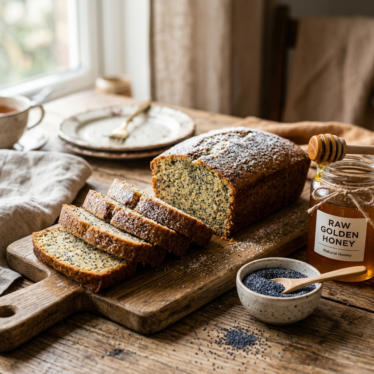
Flavor Profile and Toasting Tips
Poppy seeds have a mild, nutty flavor with a faint hint of bitterness. They’re not overpowering, which is exactly why cooks love them — they add depth without taking over a dish. On their own, raw seeds offer a subtle taste and a satisfying pop of texture.
Here’s a tip that makes a huge difference: because the seeds are so small and tend to clump, toast or grind them before using. Toasting unlocks their full aroma, and grinding releases the oils that carry all that flavor. Skip this step and you’ll miss half the magic!
How to toast them: Place the seeds in a dry skillet over medium heat and stir constantly for one to two minutes until fragrant. Watch closely, because these tiny seeds can burn quickly! Grinding them into a paste, common in Eastern European pastries, creates a rich, almost marzipan-like base for fillings — just add a little milk or honey to help the texture along.
Blue Poppy Seeds Nutrition: What They Bring to Your Plate
Don’t let their size fool you — these seeds pack a real nutritional punch! A spoonful or two a day adds steady, quiet value to your meals without any fuss.
Here’s what blue poppy seeds bring to your plate:
- Heart support: Omega-6 fatty acids with zero cholesterol
- Bone strength: Rich in calcium, phosphorus, and manganese
- Better digestion: A solid dose of fiber to keep things moving
- Energy and metabolism: Loaded with thiamin, magnesium, and zinc
- Skin and hair support: Healthy fats and zinc that help you glow
It’s one of the easiest ways to upgrade ordinary bread, yogurt, or a simple salad!
Quick fact: A single tablespoon of poppy seeds delivers roughly 9% of your daily calcium needs!
Want the science spelled out clearly? Healthline’s guide to poppy seeds breaks down the full nutrient profile in plain language, and you can verify exact values through the USDA FoodData Central database.
A quick, honest safety note: foods containing up to about 50 grams of poppy seed are generally considered safe in normal culinary amounts. Eating very large quantities isn’t a good idea, as it may cause digestive discomfort. Some people also have a poppy seed allergy, so if you’re new to them, introduce them gradually and check with a health professional if you have any concerns.
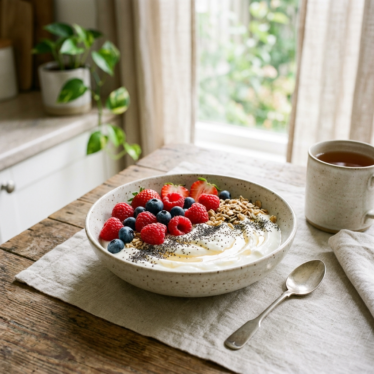
Organic, Non-GMO, Heirloom, and Food-Grade: What the Labels Really Mean
Shopping for clean, natural seeds? A few labels help you choose with total confidence, and understanding them takes the guesswork out of your order.
- Organic blue poppy seeds are grown without synthetic pesticides or fertilizers, so you get clean seeds grown the natural way.
- Non-GMO blue poppy seeds keep their natural genetics and breed true to type.
- Heirloom blue poppy seeds come from open-pollinated varieties passed down through generations of growers, which means you can save seeds and grow the same beautiful plants year after year.
- Food-grade poppy seeds are cleaned, dried, and processed specifically for eating, baking, and garnishing — think of them as a trusted pantry staple, like sesame or sunflower seeds.
Why does this matter? Because a label tells you how the seeds were treated before they reached your kitchen. Choosing organic means fewer chemicals and cleaner flavor. Choosing food-grade means the seeds meet standards for culinary use. And choosing heirloom means reliable, traditional flowers plus a self-sustaining seed supply for gardeners.
The strongest signal of all? A supplier that shares its sourcing openly. When a seller tells you where the seeds came from and how they were handled, that transparency is your best guarantee of quality. Explore naturally propagated stock on the heirloom blue poppy seeds page.
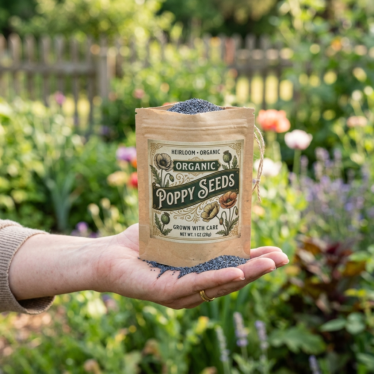
Growing and Planting Guide for Blue Poppy Seeds
Here’s something fun: blue poppy seeds aren’t just for the kitchen. Gardeners love them too! Ornamental poppy seeds produce stunning blooms and sculptural seed pods that look gorgeous in borders and cottage gardens.
Quick clarification before you plant: culinary blue poppy seeds come from Papaver somniferum, while ornamental “Himalayan” blue poppies come from the Meconopsis genus and are grown purely for their breathtaking sky-blue flowers, not for eating. Gardeners and cooks often search for them together, so it helps to know which one you need.
If you’re tempted to grow your own, the good news is the basics are simpler than you might fear. Let’s break it down.
Step 1: Prepare the Right Soil
Aim for a light, well-drained medium enriched with organic matter, with a slightly acidic to neutral pH between 6.0 and 7.0. Drainage is the governing factor here — waterlogged soil reduces germination and promotes damping-off in young seedlings. For trusted, research-backed care advice, the Royal Horticultural Society (RHS) is a fantastic resource.
Step 2: Sow on the Surface
Scatter the tiny seeds thinly and do not bury them. They need light to germinate, so a light press into the soil is all they need. Deep sowing is one of the biggest reasons seeds fail to sprout.
Step 3: Mist, Don’t Drench
Heavy watering displaces the fine seeds and compacts the surface. A gentle mist keeps moisture even. Pick a bright, cool spot with full sun to partial shade, and shelter it from strong wind.
Germination and Seedling Care
Under the right conditions, you’ll usually see germination within one to three weeks. Patience pays off! Warmer or drier conditions slow the process, so keep things cool and consistently moist. Once seedlings appear, keep moisture light and even, thin them out when true leaves show, and protect them from harsh wind and temperature swings.
Want the full walkthrough? Our detailed blue poppy seeds for planting guide covers every step in depth. Planning a big display? The bulk blue poppy seeds option supports landscape-scale projects.
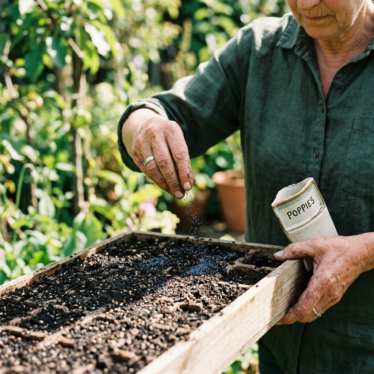
How to Spot Premium Blue Poppy Seeds: Quality Indicators Checklist
You deserve the best, and the good news is that spotting it is easy once you know the signs. Quality seeds taste better, last longer, and deliver more nutrition per spoonful.
Run through this quick checklist before you commit:
- Even color: Deep, consistent blue-grey with no pale or faded patches
- Dry and loose: No clumping or moisture, which can signal spoilage
- Clean aroma: A fresh, nutty scent — never musty, sour, or oily
- No debris: Free of stems, dust, and broken bits
- Organic certification: Proof of clean, chemical-free growing
Premium, food-grade poppy seeds come from trusted farms with careful harvesting and processing. When a supplier shares its sourcing openly, that’s the clearest sign of quality you can rely on.
Storage Tips to Keep Your Seeds Fresh
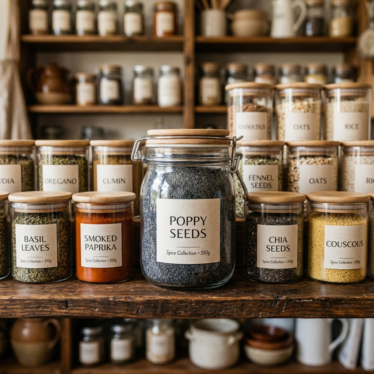
Fresh seeds, every single time — that’s the goal! Because blue poppy seeds are oil-rich, they can turn rancid if you store them carelessly. A few simple habits keep them flavorful for months.
Store them the smart way:
- Use airtight containers to keep out moisture and air
- Choose cool, dark spots, since heat and light speed up spoilage
- Refrigerate or freeze for long-term freshness
- Buy what you’ll actually use, because smaller, regular orders beat one giant batch
- Label your jars with dates so you can track freshness at a glance
Here’s my own routine, and it works like a charm: I keep a small jar in the cupboard for everyday cooking and stash the rest in the freezer. The freezer batch stays crisp for ages, and I never toss a stale bag. Stored well, your seeds stay crunchy and aromatic for up to a year — and frozen, they last even longer.
How to Buy Blue Poppy Seeds Online: Your Buying Guide
No guesswork, no risk. Buying premium blue poppy seeds online should feel simple and safe. The right supplier handles freshness, packaging, and fast delivery, so you get to focus on the fun part — cooking and growing!
Follow these steps for a smooth, confident order:
- Pick your form. Whole seeds give you control over texture; ground powder saves prep time.
- Check the grade. Premium seeds are uniform in color and clean of debris.
- Confirm freshness. Look for harvest details and clear storage information.
- Review the shipping. Fast, sealed delivery protects the seeds’ delicate oils.
- Start small. Order a modest amount first, then reorder the ones you love.
The most common mistake? Buying a giant batch before you’ve tested the quality. Oil-rich seeds can turn rancid, so smaller, regular orders keep everything tasting its best. That said, if you bake often or run a large project, a bulk order saves money — as long as you can store it properly. The bulk blue poppy seeds option supports landscape-scale and repeat-baking needs.
At primiumpoppypods.com, you get clear sourcing, careful grading, and quick, sealed delivery every time. Whether you want whole seeds for baking, convenient poppy powder for speed, a calming poppy tea, or fresh poppy pods to explore the source, the full range is a click away.
Ready to Taste the Difference?
You’ve learned the varieties, the benefits, the kitchen tricks, the quality signals, and the smart storage habits. Now comes the easy, rewarding part — getting premium seeds delivered right to your door.
Here’s why buyers keep coming back:
- Careful sourcing — clean, transparent, and traceable
- Fast, sealed delivery — packed to protect flavor and oils
- Trusted products — backed by real growers who care
Skip the uncertainty and choose seeds you can count on. Head straight to the blue poppy pod seeds page, or browse the full shop to build your order.
Order your premium blue poppy seeds now and taste the quality difference in your very next bake!
Frequently Asked Questions
What are premium blue poppy seeds?
Premium blue poppy seeds are high-grade seeds from the Papaver somniferum plant, prized for their deep slate-blue to blue-black color and bold, nutty flavor. They are uniform in color, clean of debris, and carefully harvested. Premium grade means better taste, longer shelf life, and reliable quality in baking, fillings, and garnishes.
What makes blue poppy seeds “premium”?
Blue poppy seeds earn the premium label when they are carefully sourced, uniformly graded for even color and size, cleaned of stems and debris, and shipped fresh in sealed packaging. A fresh, nutty aroma and transparent sourcing details are the clearest signs of premium quality.
Are blue poppy seeds actually blue?
No, blue poppy seeds are not a bright, vivid blue. They range from deep slate-grey to a rich, almost blue-black shade. The “blue” name refers to this dark bluish tint, which sets them apart from the lighter white and brown poppy seed varieties.
Where can I buy blue poppy seeds online?
You can buy premium blue poppy seeds online directly from primiumpoppypods.com. The shop offers careful sourcing, sealed packaging, and fast delivery. Browse the full product range to compare whole seeds, poppy powder, poppy pods, and related items in one place.
How do I choose a trusted blue poppy seed supplier?
Look for a supplier that shares clear sourcing details, grades its seeds for even color, and ships in sealed packaging. Verified buyer reviews and transparent harvest information are strong signals of trust. A seller that names the origin and protects the seeds’ natural oils during shipping gives you fresher, cleaner seeds.
Why should I buy premium blue poppy seeds instead of cheaper ones?
Premium seeds taste better, last longer, and deliver more nutrition per spoonful. Cheaper, lower-grade seeds often arrive faded, dusty, or already turning rancid because of careless storage. When you choose premium, you get even color, a clean nutty aroma, and sealed, fresh delivery.
What are the best blue poppy seeds for baking?
Dutch blue seeds are deep blue-grey and prized for baking and pastry fillings, while European culinary blue seeds are bold and nutty, ideal for breads and traditional sweet bakes. For fillings, ground poppy powder gives consistent results. Toast or grind whole seeds first to unlock their full nutty aroma.
What are blue poppy seeds used for in cooking?
Blue poppy seeds shine in both sweet and savory dishes. Bake them into muffins, bagels, and rolls; grind them with honey for strudel and pastry fillings; whisk them into salad dressings; garnish noodles and roasted vegetables; or toast and crush them into curry blends. Toast or grind them first to unlock their full nutty flavor.
What do blue poppy seeds taste like?
Blue poppy seeds have a mild, nutty flavor with a faint hint of bitterness and a satisfying crunch. Toasting brings out a warmer, richer taste, while grinding creates a smooth, almost marzipan-like paste often used in sweet pastry fillings.
Should I toast or grind blue poppy seeds before using them?
Yes. Because the seeds are small and tend to clump, toasting or grinding them first unlocks their full nutty aroma and makes them easier to handle. Toasting releases their natural oils, and grinding creates the smooth paste used in classic fillings. For a ready-to-use option, poppy powder skips the prep entirely.
How do I toast blue poppy seeds?
Place them in a dry skillet over medium heat and stir constantly for one to two minutes until fragrant. Watch closely, because these tiny seeds can burn quickly. Toasting deepens their warm, nutty flavor and works beautifully for both sweet and savory recipes.
What is the difference between whole blue poppy seeds and poppy powder?
Whole blue poppy seeds keep their freshness longer and give you full control over texture. Ground poppy powder saves prep time and delivers consistent results in fillings, dressings, and spice blends. Choose whole seeds for baking control, or powder for speed and convenience.
Are blue poppy seeds good for you?
Yes. Blue poppy seeds are rich in fiber, calcium, magnesium, manganese, zinc, and healthy omega-6 fatty acids. In normal food amounts, they support heart health, bone strength, and digestion. A tablespoon or two in daily meals adds real nutritional value with very little effort.
What nutrients do blue poppy seeds contain?
Blue poppy seeds contain fiber for digestion, omega-6 fatty acids for heart support, and minerals like calcium, phosphorus, manganese, magnesium, and zinc for bone and metabolic health. They also carry thiamin and modest plant protein. A single tablespoon delivers roughly 9% of your daily calcium needs.
Are blue poppy seeds safe to eat?
Blue poppy seeds are safe to eat in normal culinary amounts, up to about 50 grams. Eating very large quantities is not recommended because it may cause digestive discomfort. Some people may also have a poppy seed allergy, so introduce them carefully if you are unsure or new to them.
How many blue poppy seeds should I eat per day?
For everyday cooking, a tablespoon or two is plenty to add flavor and nutrients. Foods containing up to about 50 grams of poppy seed are generally considered safe. Stick to typical culinary amounts rather than large medicinal doses, and check with a health professional if you have any concerns.
What are organic, non-GMO, and heirloom blue poppy seeds?
Organic blue poppy seeds are grown without synthetic pesticides or fertilizers. Non-GMO seeds keep their natural genetics and breed true to type. Heirloom blue poppy seeds come from open-pollinated varieties passed down through generations of growers, so you can save seeds and grow the same plants year after year.
What are food-grade poppy seeds?
Food-grade poppy seeds are cleaned, dried, and processed specifically for culinary use — eating.
