
- Your cart is empty
- Continue shopping
-
sales@primiumpoppypods.com
- Posted on
- Categories:Uncategorized
- 0 comments
Poppy Pods: Botany, Floral Uses, and Legalities
Dried botanicals bring a timeless, earthy texture to any space. Among the most striking of these natural elements, dried poppy pods stand out for their distinctive crown-like tops and sturdy, woody structure. These seed capsules have fascinated botanists, crafters, and floral designers for generations.
If you plan to use these botanicals in your next creative project, you should understand their origins and proper handling. In this guide, you will learn about the botanical background of the Papaver somniferum plant, discover creative ways to use dried pods in floral displays, and explore the important legal considerations regarding their possession and use.
The Botanical Background of Poppy Pods
Poppy flowers leave behind natural seed capsules after they bloom and shed their petals. While many varieties of poppies exist, the most notable is Papaver somniferum, which Kew Science lists in botanical taxonomy resources such as Plants of the World Online by Kew Science.
In a botanical context, botanists know this annual herb for its vibrant, papery flowers that bloom in shades of white, pink, red, and purple. As the plant matures and the petals fall away, a rounded capsule forms at the top of the stem. Inside this capsule, the plant produces hundreds of tiny seeds, which bakers and cooks use worldwide in culinary traditions. Once growers harvest the seeds and the pod dries out completely, the remaining shell becomes a durable, long-lasting natural object.
[Image Placement 1: A close-up photograph of a Papaver somniferum plant in its natural environment, showing both the blooming flower and a maturing green seed pod. Alt text: Close-up of Papaver somniferum flower and developing green seed pod.]
Visual Characteristics of Dried Poppy Pods
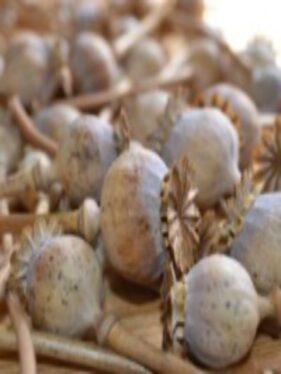
Crafters and florists prize dried poppy pods for their unique architectural shape. After growers dry them properly, the pods take on a rigid, woody texture. They feature a smooth, rounded body with a flat, star-shaped stigma disk on top that resembles a small crown.
Their natural color palette ranges from pale tan and beige to muted grayish-brown. This neutral aesthetic makes them incredibly versatile, allowing them to blend seamlessly with bright blooms or complement other dried foliage in rustic arrangements. Depending on the specific growing conditions, the pods can range in size from two to six centimeters in diameter, offering varied proportions for design work.
Creative Uses in Floral Displays and Crafts
Because they require no water and can last for years, dried poppy pods remain a staple in the decorative arts. Here are a few ways designers incorporate them into their work:
- Dried floral arrangements: Their sturdy stems and spherical heads provide excellent structure and height to bouquets. They pair beautifully with dried lavender, eucalyptus, and pampas grass.
- Wreath making: Crafters often clip the stems short and wire or glue the pod heads directly into autumn or winter wreaths. Their woody texture adds depth and visual interest.
- Educational botanical displays: Teachers and naturalists use intact pods in classrooms to demonstrate seed dispersal and plant anatomy.
- Mixed-media art: Artists incorporate the textured shells into shadow boxes, table centerpieces, and rustic home decor projects.
[Image Placement 2: A rustic interior scene featuring a decorative vase filled with dried botanicals, including several distinct dried poppy pods. Alt text: A decorative ceramic vase holding dried eucalyptus, wheat, and natural dried poppy pods on a wooden table.]
What to Look for in Decorative Botanicals
When you set out to buy dried poppy pod heads, assessing their quality ensures your final project looks its best. High-quality decorative botanicals should exhibit a few key traits:
- Firm structure: The pod walls should feel hard and solid, not soft or easily crushable.
- Intact crowns: The signature star-shaped stigma on top should look complete and undamaged.
- Consistent color: Look for an even, natural tan or brown hue, which indicates the supplier dried and stored the pod correctly.
- Sturdy stems: If you plan to use them in upright arrangements, make sure each pod remains securely attached to a strong, unbroken stem.
Proper Storage and Handling for Longevity
Dried plant materials are naturally fragile, but with the right care, poppy pods can maintain their beauty indefinitely.
Always store your dried pods in a cool, dry environment. High humidity poses the biggest threat to dried botanicals, as moisture can cause the organic material to soften, rot, or develop mold. Keep them away from direct sunlight, which can bleach their natural color over time. If you need to pack them away between seasons, place them in a rigid, breathable container alongside a few silica gel packets to absorb any excess ambient moisture.
Navigating Legal Considerations for Poppy Pods
While dried poppy pods serve as beautiful decorative items, they come from a plant that requires strict legal awareness. The Papaver somniferum plant naturally produces certain alkaloids. Because of this, the laws governing the possession and sale of its pods vary significantly depending on your jurisdiction and how you intend to use them.
In many regions, people may lawfully possess these pods as long as they keep them intact and use them exclusively for ornamental, floral, or craft purposes. However, any attempt to brew, extract, or consume the pods crosses a strict legal boundary. The United States and many other countries prohibit cultivating or processing the pods for human consumption and strictly enforce these rules. For broad regulatory context, readers can review the U.S. Drug Enforcement Administration’s overview of the Controlled Substances Act.
Before acquiring botanicals for your craft projects, you should research your local regulations. For a deeper understanding of how authorities apply these laws to floral materials, you can read more about is it legal to purchase dried poppy pods and explore detailed answers to the common question, are dried poppy pods legal. Always source your materials from reputable botanical suppliers who clearly state that they intend their products for decoration only.
[Image Placement 3: A crafter’s workspace showing a half-finished autumn wreath with dried poppy pods, wire, and floral tape neatly arranged. Alt text: Crafting workspace showing dried poppy pods, floral wire, and snippers being used to make a decorative wreath.]
Frequently Asked Questions (FAQ)
Here are clear, educational answers to common questions regarding dried poppy botanicals. For structured data implementation, refer to the official Schema.org FAQPage documentation.
What are dried poppy pods used for?
Florists and crafters primarily use dried poppy pods in the decorative arts. They add texture and visual interest to dried floral arrangements, wreaths, and rustic home decor. Teachers also use them in educational settings to teach plant anatomy.
Can you safely store dried poppy pods for a long time?
Yes. If you keep them in a cool, dry place away from direct sunlight, dried poppy pods can last for many years. Using silica gel packets in storage boxes helps prevent moisture damage and mold.
Are poppy pods the same thing as poppy seeds?
No. The pod is the hard, outer capsule of the flower, while the seeds are the tiny culinary items found inside the pod. While bakers and cooks widely use the seeds in food, people should use the dried pod itself strictly for decoration.
Is it legal to use dried poppy pods in floral arrangements?
In many jurisdictions, including the United States, people may generally purchase and possess dried poppy pods strictly for ornamental and decorative purposes. However, using them for ingestion or extraction is strictly illegal. Always verify your specific local laws before purchasing.
<script type="application/ld+json">
{
  "@context": "https://schema.org",
  "@type": "FAQPage",
  "mainEntity": [{
    "@type": "Question",
    "name": "What are dried poppy pods used for?",
    "acceptedAnswer": {
      "@type": "Answer",
      "text": "Florists and crafters primarily use dried poppy pods in the decorative arts. They add texture and visual interest to dried floral arrangements, wreaths, and rustic home decor. Teachers also use them in educational settings to teach plant anatomy."
    }
  }, {
    "@type": "Question",
    "name": "Can you safely store dried poppy pods for a long time?",
    "acceptedAnswer": {
      "@type": "Answer",
      "text": "Yes. If you keep them in a cool, dry place away from direct sunlight, dried poppy pods can last for many years. Using silica gel packets in storage boxes helps prevent moisture damage and mold."
    }
  }, {
    "@type": "Question",
    "name": "Are poppy pods the same thing as poppy seeds?",
    "acceptedAnswer": {
      "@type": "Answer",
      "text": "No. The pod is the hard, outer capsule of the flower, while the seeds are the tiny culinary items found inside the pod. While bakers and cooks widely use the seeds in food, people should use the dried pod itself strictly for decoration."
    }
  }, {
    "@type": "Question",
    "name": "Is it legal to use dried poppy pods in floral arrangements?",
    "acceptedAnswer": {
      "@type": "Answer",
      "text": "In many jurisdictions, including the United States, people may generally purchase and possess dried poppy pods strictly for ornamental and decorative purposes. However, using them for ingestion or extraction is strictly illegal. Always verify your specific local laws before purchasing."
    }
  }]
}
</script>
Summary and Next Steps
Dried poppy pods offer a unique, architectural element to floral designs and home decor. When you understand their botanical background, evaluate their quality, and respect the legal boundaries regarding their use, you can safely enjoy their natural beauty. If you are ready to start your next creative project, take the time to review local guidelines and always source your decorative botanicals from reputable, compliance-conscious suppliers.
