
- Your cart is empty
- Continue shopping
-
sales@primiumpoppypods.com
- Posted on
- Categories:Uncategorized
- 0 comments
The Ultimate Guide to Poppy Plants: Botanical Wonders, History, and Care!
Have you ever wondered what makes poppy plants so enchanting? When I first saw a sprawling field of blooming poppies, I couldn’t believe the vibrant splash of red, pink, and orange swaying in the breeze! They are absolutely stunning and full of fascinating history.
Whether you are a seasoned gardener looking to add a pop of color to your backyard or simply a botany enthusiast curious about this famous flower, you are in the right place! In this guide, we will explore the botanical background of poppies, discover the most gorgeous varieties, dive into their rich history, and share some helpful tips for responsible cultivation.
Here is what we will cover:
- The botanical traits and morphology of poppies
- Beautiful varieties you can grow
- The deep historical and cultural roots of the plant
- Tips for safe and responsible gardening
Let’s dig right in!
What Exactly Are Poppy Plants?
Poppies belong to the Papaveraceae family, a group of flowering plants renowned for their delicate, papery petals and striking colors. If you look closely at a poppy flower, you will notice just how unique their morphology truly is!
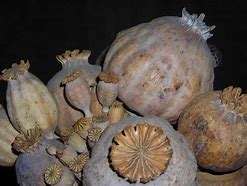
Most poppies feature a simple, elegant structure. They typically boast four to six delicate petals that look almost like crumpled silk when they first emerge from their buds. Right in the center, you will find a prominent seed pod surrounded by a crown of dark stamens. The stems are usually slender, sometimes covered in tiny, soft hairs, and the leaves are deeply lobed or feathery.
What I find most interesting is how the flower heads nod downward while in bud, only to stand tall and proud once they finally bloom!
Gorgeous Varieties You’ll Love
There is a poppy for almost every garden! While they all share that signature delicate look, different species offer totally unique vibes and growing habits.
Here are a few standout varieties:
- Corn Poppy (Papaver rhoeas): This is the classic bright red poppy you often see in wildflower meadows. It is famous for being the symbol of Remembrance Day!
- Oriental Poppy (Papaver orientale): If you want large, show-stopping blooms, this is the one for you! They come in brilliant shades of orange, pink, and salmon, and feature distinct dark centers.
- Iceland Poppy (Papaver nudicaule): These are delicate, sweet, and incredibly fragrant! They bloom in beautiful pastel shades like yellow, white, and peach.
- Opium Poppy (Papaver somniferum): Known for its striking blue-green foliage and large, cup-shaped flowers. It has both ornamental and agricultural significance, producing the poppy seeds we love on our bagels!
A Peek into History and Culture
Poppy plants have captured human imagination for thousands of years! Isn’t it wild to think that ancient civilizations were just as captivated by these blooms as we are today?
Historically, poppies have been a symbol of sleep, peace, and even resurrection. In ancient Greek and Roman mythology, poppies were offered to the dead and were strongly associated with gods of sleep, thanks to the sedative properties found in certain species.
In more modern times, the bright red Corn Poppy has become a powerful global emblem of remembrance for soldiers who lost their lives in World War I, inspired by the famous poem In Flanders Fields. It is truly a flower that carries deep emotional and cultural weight!
Tips for Growing Your Own Poppies!
Growing ornamental poppies is incredibly rewarding, and they are surprisingly easy to care for once you know a few simple tricks.
I recommend skipping the nursery pots and sowing poppy seeds directly into your garden. Why? Poppies have long taproots that absolutely hate being disturbed! If you try to transplant them, they often wilt and struggle to survive.
Here are my top tips for a beautiful poppy garden:
- Choose the right spot: Poppies love the sun! Make sure you plant them in a location that gets at least six hours of direct sunlight a day.
- Prep your soil: They need well-draining soil. If your soil is too heavy or clay-like, mix in some sand or compost to improve drainage.
- Sow on the surface: Poppy seeds are tiny and need light to germinate. Just scatter them on top of the soil and gently press them in—do not bury them!
- Water carefully: Keep the soil moist but never soggy until the seeds sprout. Once established, poppies are quite drought-tolerant.
Responsible Cultivation & Safety Considerations
While poppies are a joy to grow, it is important to be mindful of what you are planting. Most ornamental poppies are completely safe and legal to grow for their beautiful flowers.
However, Papaver somniferum requires a bit more awareness. While growing these plants for ornamental purposes or for culinary seeds is legal in many regions, extracting or processing the alkaloids from the plant is strictly prohibited by law. Always check your local agricultural and legal guidelines before planting specific varieties.
Additionally, remember that all parts of the poppy plant (except the mature, culinary seeds) can be toxic to pets and livestock if ingested. If you have curious dogs, cats, or grazing animals, it is best to plant your poppies in an inaccessible area to keep everyone safe and happy!
Frequently Asked Questions About Poppy Plants
Are poppy plants perennials or annuals?
It depends on the variety! Corn poppies and Papaver somniferum are annuals, meaning they complete their lifecycle in one year (though they readily self-seed!). Oriental poppies are hardy perennials that will return to your garden year after year.
When is the best time to plant poppy seeds?
I recommend planting poppy seeds in the early spring or late autumn. They actually thrive in cooler weather, and a period of cold stratification helps the seeds germinate perfectly!
Can I grow poppies in containers?
Yes, but it can be a bit tricky! Because of their long taproots, you need a very deep container to keep them happy. Smaller varieties like Iceland poppies tend to do much better in pots than the larger Oriental types.
How do I harvest poppy seeds for baking?
Wait until the flower petals have completely fallen off and the center seed pod turns brown and hard. Once the pod has dried out, you can snip it off, crack it open, and shake out the culinary seeds!
Ready to Plan Your Garden?
Poppy plants are an incredible addition to the botanical world. From their delicate, crinkled petals and historical significance to their easy-going nature in a sunny garden bed, there is so much to love about them!
Now that you know all about the different varieties and how to care for them responsibly, you can start dreaming up your own colorful poppy display. Grab some seeds, find a sunny spot, and get ready for a spectacular springtime show!
You may Also like
