
- Your cart is empty
- Continue shopping
-
sales@primiumpoppypods.com
- Posted on
- Categories:Uncategorized
- 0 comments
Opium Poppy Pods: Botany, History, Legal Considerations, and Safety Information
Welcome to this Opium Poppy Pods Guide, an educational look at the fascinating botanical world of Papaver somniferum, widely known as the opium poppy. The story of this remarkable plant weaves together incredible biology, ancient human history, and complex modern laws. I always find it amazing how a single plant can have such a massive impact on human civilization! Here, we will explore the unique characteristics of poppy pods, trace their journey through time, and clearly explain the important safety and legal rules that govern them today.
Botanical Classification and Plant Morphology
The opium poppy belongs to the Papaveraceae family. It is an annual plant, meaning it completes its life cycle in a single growing season. When you look at the plant, the first thing you will notice is the striking foliage. The leaves have a gorgeous bluish-green tint, and they wrap directly around the stem.
The flowers themselves are absolutely beautiful. They bloom in a variety of vibrant colors, ranging from pure white to deep purple. But the most interesting part of the plant is what remains after the petals fall away: the seed pod, or capsule.
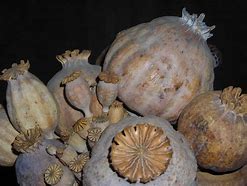
This pod is a round, swelling structure crowned with a star-shaped stigma on top. It looks almost like a tiny, green pumpkin wearing a crown! Inside this sturdy capsule, the plant safely houses thousands of tiny seeds. As the pod matures and dries out, it turns a light brown color. The walls of the pod contain a milky latex, which holds a complex mixture of natural alkaloids.
A Deep Dive into Historical Context
The history of the poppy pod is incredibly long and full of twists and turns. Cultivation of this plant dates back thousands of years. Ancient civilizations in Mesopotamia cultivated poppies as early as 3400 BCE. The Sumerians even referred to it as the “joy plant,” showing just how long humans have recognized its potent properties.
From the Middle East, the plant traveled along ancient trade routes. Merchants carried it through the bustling paths of the Silk Road, introducing it to India and China. Ancient Greek and Roman societies also documented their use of the plant for its strong effects on the human body. Learning about how this single botanical specimen shaped early global trade and medicine is truly captivating!
Cultural Significance Around the World
The poppy pod holds a powerful place in art, literature, and culture. Because of its natural properties, various societies historically associated the plant with sleep, peace, and the afterlife. You will often see the poppy depicted in ancient artifacts, from Greek statues of the gods of sleep to intricate Egyptian jewelry.
In more modern times, a different variety of poppy—the red Flanders poppy—became a global symbol of remembrance for soldiers who lost their lives in war. While the Flanders poppy is a different species than Papaver somniferum, it highlights how deeply the poppy family is rooted in our shared human experience and emotional expression.
Opium Poppy Pods Guide: Navigating Legal and Regulatory Considerations
We must talk about the strict legal guidelines surrounding this plant. Because the latex inside the poppy pod contains powerful alkaloids like morphine and codeine, governments around the world heavily regulate it.
The laws change significantly depending on where you live. In many jurisdictions, growing the opium poppy for ornamental purposes is technically tolerated, but harvesting, scoring, or drying the pods is strictly illegal and considered the manufacturing of a controlled substance. In the United States, for example, the opium poppy and its dried pods are classified under the Controlled Substances Act.
You must research and understand the specific laws of your country, state, or municipality before you even think about interacting with these plants. Never assume that agricultural laws in one region apply to another.
Important Safety and Handling Cautions
Safety is absolutely critical when discussing poppy pods. The natural alkaloids found in the dried pods are incredibly potent. Because this is a raw plant material, the concentration of these alkaloids varies wildly from one pod to the next. You never really know the exact chemical makeup of a single pod just by looking at it.
Handling or processing dried pods for consumption is extremely dangerous. Accidental ingestion or improper handling can lead to severe toxicity, respiratory depression, and even fatal consequences. We always advocate for strict harm reduction and education. Appreciate the plant for its botanical beauty and historical value, but treat its chemical properties with the utmost caution and respect.
Concluding Summary
Papaver somniferum is a plant of undeniable beauty and incredible historical weight. From its fascinating, crown-topped pods to its journey across ancient trade routes, it offers a rich subject for botanical study. However, its potent chemical makeup means it carries serious safety risks and faces strict legal regulations worldwide. This Opium Poppy Pods Guide is meant to help you understand the botany, history, and laws surrounding the plant so you can appreciate the powerful intersection of nature and human society in a safe, informed, and responsible way.
Frequently Asked Questions
What is the difference between poppy seeds and poppy pods?
In this Opium Poppy Pods Guide, poppy seeds are described as the tiny seeds found inside the pod. They are commonly washed, processed, and legally sold for baking and culinary uses. The pod is the outer capsule that houses the seeds and contains the plant’s alkaloid-rich latex.
Is it legal to buy dried opium poppy pods for floral arrangements?
In many countries, including the United States, buying or possessing dried opium poppy pods is illegal because they contain controlled alkaloids. Laws vary globally, so you must consult local regulations.
Can you grow Papaver somniferum in your garden?
The legality of growing Papaver somniferum varies by location. Some regions allow it strictly for ornamental gardening, but processing the pods or extracting the latex is universally regulated or prohibited. Always check your local laws.
Why are poppy pods considered dangerous?
The pods contain varying levels of potent alkaloids. Because the concentration is unpredictable, any attempt to consume or extract material from the pods carries a high risk of accidental toxicity or overdose.
You may also like
