
- Your cart is empty
- Continue shopping
-
sales@primiumpoppypods.com
- Posted on
- Categories:Uncategorized
- 0 comments
The Allure of Mixed Dried Poppy Flowers
Dried florals have made a massive resurgence in interior design and floristry. Among the endless botanical options, mixed dried poppy flowers stand out for their timeless elegance and striking versatility. These botanical wonders offer a beautiful, sustainable way to bring nature indoors without the hassle of constant maintenance.
If you want to transform a dull space into a corner rich with texture and organic character, you are in the right place. In this comprehensive guide, we explore the multiple uses, ecological benefits, and extraordinary aesthetic value of dried poppies. We also provide a clear design strategy to help you seamlessly integrate them into your home or event styling.
What Makes Mixed Dried Poppy Flowers Unique?
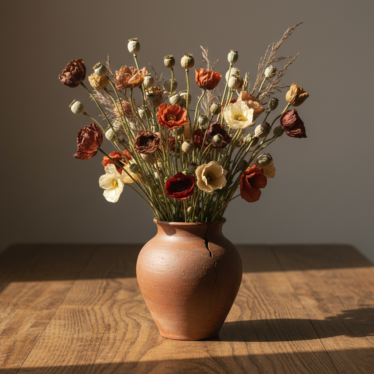
Poppies are globally recognized for their delicate petals, but their post-bloom seed pods are true sculptural masterpieces. When dried correctly, these flowers retain a fascinating structural integrity that adds immediate depth to any floral arrangement.
Mixing different varieties of dried poppies creates a stunning visual contrast. By combining varying sizes, muted colors, and geometric shapes, you get a decorative element that instantly captures attention. Renowned botanical organizations, such as the Royal Horticultural Society, frequently highlight the resilience and architectural interest that poppy seed heads bring to winter gardens and dried floral arrangements alike.
Whether you are searching for the best sustainable floral decor or planning a rustic wedding, the unique silhouette of the poppy pod provides an unmatched focal point.
The Aesthetic Value in Floral Design
Using mixed dried poppy flowers completely transforms the aesthetic of any room. Their charm lies in their natural imperfections and deeply organic textures, making them a favorite among professional interior designers and DIY home decorators alike.
Color Palettes and Textures
Unlike fresh flowers, which often feature highly saturated and vibrant colors, dried poppies offer a calming palette of earthy tones. You will find muted ochres, soft greens, and warm browns that fit perfectly with modern, rustic, bohemian, and minimalist design styles.
The ribbed, slightly rough texture of the pods contrasts beautifully with softer dried elements, such as pampas grass or preserved eucalyptus. This tactile and visual duality is a highly effective design technique used to add character and warmth to neutral spaces.
Natural Sculptures in Your Home
Dried poppy seed heads act as miniature natural sculptures. Their rounded shapes, crowned by a distinctive star-like pattern at the top, break up the monotony of straight lines found in standard furniture and walls.
Placing a bundle of mixed poppies in a handcrafted ceramic vase creates a sophisticated focal point. They draw the eye upward and add a sense of refined rusticity that fresh, perfectly symmetrical bouquets often lack.
Practical Uses and Sustainable Benefits
Beyond their obvious beauty, dried poppies offer significant practical advantages over traditional fresh-cut flowers.
Eco-Friendly Interior Decor
The environmental impact of the fresh flower industry is a growing concern for eco-conscious consumers. Cut flowers often require heavy refrigeration, air transport, and massive amounts of water. Conversely, dried flowers represent a highly sustainable, low-impact alternative.
Once properly dried, poppies can last for months or even years with minimal care. This longevity drastically reduces waste and lowers the carbon footprint associated with frequently replacing fresh bouquets. Investing in dried botanicals is a green decision that benefits both the planet and your wallet over time.
Crafts and Artistic Projects
The crafting and event-planning sectors have embraced dried poppies with immense enthusiasm. Their durability makes them ideal for a wide variety of creative applications:
- Decorative Wreaths: Perfect for front doors or dining table centerpieces, especially during the autumn and winter seasons.
- Botanical Wall Art: Pressed or shadow-box framed flowers and pods create unique, gallery-worthy art pieces.
- Event Styling: Rustic and boho-chic weddings frequently use dried poppies for boutonnieres, bridal bouquets, and table scapes.
Strategy for Integrating Dried Poppies in Your Space
To maximize the visual impact of your mixed dried poppy flowers, you need an intentional design strategy. Here is an actionable plan to incorporate these beauties into your environment:
- Analyze Your Lighting: While dried flowers do not need direct sunlight (in fact, harsh UV rays can fade their natural colors), proper lighting will highlight their intricate textures. Place your arrangements near sources of warm artificial light or indirect natural light.
- Choose the Right Vessel: The vase dictates the overall tone of your arrangement. Clear glass vases offer a sleek, modern look, while opaque ceramics or terracotta reinforce a rustic, artisanal aesthetic.
- Play with Heights: Cut the stems to varying lengths to create a dynamic, layered arrangement. Taller poppies should sit in the center or back, while shorter ones provide volume at the base.
- Create Contrast: Mix your poppies with other dried botanicals like lavender, dried wheat, or bunny tail grass (Lagurus). This adds volume while introducing new color palettes and subtle natural scents.
- Basic Maintenance: Keep your dried flowers away from high-humidity areas. Lightly dust them occasionally using a hairdryer set to the lowest, coolest setting.
Where to Find Premium Quality Dried Poppies
The quality of the drying process dictates the final appearance and durability of the flowers. It is crucial to purchase these products from specialized suppliers who guarantee optimal harvesting and drying techniques.
To find the best options on the market, look for premium selections that prioritize structural integrity. If you are searching for superior pods for your floral designs, we highly recommend visiting Primium Poppy Pods. They offer an excellent variety of high-quality dried florals to elevate any home decor or event styling project. Choosing a trusted supplier ensures your botanicals remain beautiful for years to come.
Conclusion
Mixed dried poppy flowers are much more than a passing decorative trend. They represent a perfect fusion of natural art, sustainability, and design versatility. Whether you want to add a bohemian touch to your living room, create memorable event centerpieces, or simply enjoy the beauty of nature without the upkeep of living plants, dried poppies are the ideal choice.
Start experimenting with textures, shapes, and vessels today. Explore premium suppliers, and discover how a simple arrangement of dried botanicals can completely transform the atmosphere of your space.
Frequently Asked Questions (FAQ)
How long do mixed dried poppy flowers last?
With proper care, dried poppy flowers can last anywhere from one to three years. To maximize their lifespan, keep them away from direct sunlight, high humidity, and strong drafts.
How do I clean the dust off my dried flower arrangements?
The safest way to clean dust from dried poppies is to use a hairdryer set to a cool temperature and the lowest speed. Hold the dryer at a safe distance so you do not damage the fragile stems or seed pods. Alternatively, you can gently sweep them with a soft-bristled makeup brush.
Can I use dried poppies in the bathroom or kitchen?
We do not recommend placing dried flowers in rooms with high moisture levels, such as bathrooms or small, poorly ventilated kitchens. Humidity can cause the stems to weaken, lose their structural shape, or even develop mold. They are best suited for living rooms, bedrooms, or hallways.
Are dried poppy flowers safe for pets?
It depends on the exact variety, but generally, parts of the poppy plant can be toxic to dogs and cats if ingested. We highly recommend placing dried flower arrangements on high shelves or tables, well out of reach of curious pets and small children.
How can I prevent my dried poppies from fading in color?
Color fading is primarily caused by exposure to UV rays. To maintain the beautiful, natural earthy tones of your mixed dried flowers, place them in areas that receive indirect light. Avoid setting them on windowsills or in direct, all-day sunlight.
FAQ Schema Snippet (JSON-LD)
<script type="application/ld+json">
{
  "@context": "https://schema.org",
  "@type": "FAQPage",
  "mainEntity": [
    {
      "@type": "Question",
      "name": "How long do mixed dried poppy flowers last?",
      "acceptedAnswer": {
        "@type": "Answer",
        "text": "With proper care, dried poppy flowers can last anywhere from one to three years. To maximize their lifespan, keep them away from direct sunlight, high humidity, and strong drafts."
      }
    },
    {
      "@type": "Question",
      "name": "How do I clean the dust off my dried flower arrangements?",
      "acceptedAnswer": {
        "@type": "Answer",
        "text": "The safest way to clean dust from dried poppies is to use a hairdryer set to a cool temperature and the lowest speed. Hold the dryer at a safe distance so you do not damage the fragile stems or seed pods. Alternatively, you can gently sweep them with a soft-bristled makeup brush."
      }
    },
    {
      "@type": "Question",
      "name": "Can I use dried poppies in the bathroom or kitchen?",
      "acceptedAnswer": {
        "@type": "Answer",
        "text": "We do not recommend placing dried flowers in rooms with high moisture levels, such as bathrooms or small, poorly ventilated kitchens. Humidity can cause the stems to weaken, lose their structural shape, or even develop mold. They are best suited for living rooms, bedrooms, or hallways."
      }
    },
    {
      "@type": "Question",
      "name": "Are dried poppy flowers safe for pets?",
      "acceptedAnswer": {
        "@type": "Answer",
        "text": "It depends on the exact variety, but generally, parts of the poppy plant can be toxic to dogs and cats if ingested. We highly recommend placing dried flower arrangements on high shelves or tables, well out of reach of curious pets and small children."
      }
    },
    {
      "@type": "Question",
      "name": "How can I prevent my dried poppies from fading in color?",
      "acceptedAnswer": {
        "@type": "Answer",
        "text": "Color fading is primarily caused by exposure to UV rays. To maintain the beautiful, natural earthy tones of your mixed dried flowers, place them in areas that receive indirect light. Avoid setting them on windowsills or in direct, all-day sunlight."
      }
    }
  ]
}
</script>
