
- Your cart is empty
- Continue shopping
-
sales@primiumpoppypods.com
- Posted on
- Categories:Uncategorized
- 0 comments
How to Store Dried Poppy Pods to Maintain Quality
Keeping the structural beauty and earthy tones of dried poppy pods requires more than just placing them on a shelf. Botanical collectors and interior design enthusiasts know these delicate pieces can lose their charm quickly if exposed to the wrong conditions.
The natural fragility of dried plant material means the surrounding environment dictates its lifespan. Incorrect storage leads to fading, mold growth, or structural damage. This guide details proven methods to preserve your poppy pods, ensuring they remain a stunning addition to your floral arrangements for years.
You will learn how to manage key environmental factors, choose the right containers, and avoid the most common mistakes that ruin botanical materials.
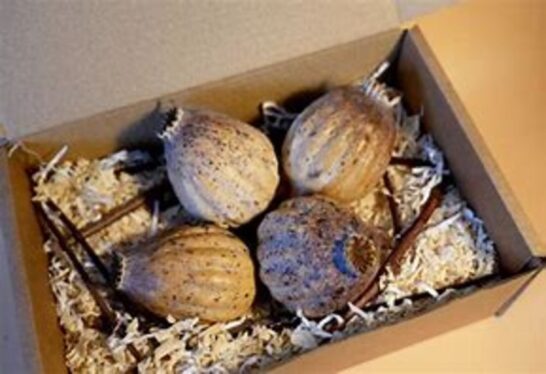
Why proper storage is crucial
Drying is only the first half of the preservation process. Plant fibers retain a porous structure that constantly reacts to the environment. When you invest in high-quality pieces, such as those found at Premium Poppy Pods, you want to protect that investment.
Proper storage stops biological degradation in its tracks. Without this care, the pods become brittle, lose their natural color, and can easily attract unwanted pests. Understanding the basic science behind botanical preservation allows you to create the perfect microclimate for your collections.
Environmental factors affecting poppy pods
To maintain the quality of any dried flower or pod, you must control three fundamental elements: humidity, light, and airflow.
Humidity control: The number one enemy
Moisture is the single biggest threat to any dried organic material. When poppy pods absorb moisture from the air, their collapsed plant cells partially rehydrate. This process creates the perfect breeding ground for mold and mildew.
Keep your pods in an environment where the relative humidity stays below 50%. If you live in a humid climate, you will need extra measures to protect your botanical pieces. A space that is too dry (below 30%) is also not ideal, as it can make the pods extremely fragile and prone to breaking with the slightest touch.
Pro tip: Use a digital hygrometer in your room or inside your storage closet to monitor humidity levels consistently. For deeper insights into managing moisture in plant materials, the Penn State Extension guide to drying flowers and foliage offers excellent baseline standards for humidity control.
Light exposure: Preventing discoloration
Ultraviolet (UV) rays degrade natural plant pigments at an alarming rate. Direct sunlight will bleach your poppy pods, transforming their rich, warm tones into a pale, lifeless beige.
Always store dried pieces in the dark or in rooms with filtered, indirect sunlight. If you have them on display, place them far away from south-facing windows or use UV-blocking curtains. For long-term storage, dark spaces like closets or opaque boxes are essential.
Temperature and airflow
Extreme temperature fluctuations cause condensation, which brings us right back to the humidity problem. Maintain a consistent room temperature, ideally between 60°F and 72°F (15°C to 22°C).
Airflow matters just as much. Stagnant air encourages moisture and dust buildup. Make sure the storage area has adequate ventilation. Avoid storing your pods in damp basements or attics that suffer from extreme seasonal temperatures, a practice strongly discouraged by the Royal Horticultural Society (RHS) when preserving botanical collections.
Best practices and storage methods
Choosing the correct container and packing method makes the difference between pods that last a few months and those that last for decades.
Airtight containers vs. breathable boxes
Your choice of container depends heavily on the general environment of your home:
- Breathable cardboard boxes: Excellent for homes with consistent climate control. Line the boxes with acid-free tissue paper to protect the pods from dust and friction against one another. Cardboard allows slight air circulation while blocking out light completely.
- Airtight plastic containers: Mandatory if you live in high-humidity areas. However, you must ensure the pods are 100% dry before sealing them; otherwise, any residual moisture will cause rapid rotting.
The strategic use of desiccants
To guarantee a moisture-free environment inside closed containers, silica gel packets are your best tool. These small packets absorb ambient moisture and keep the microclimate dry. Institutions like the Smithsonian Museum Conservation Institute frequently use similar silica conditioning methods to preserve delicate artifacts and organic materials.
Place two or three silica packets at the bottom of your storage container. Remember to check and reactivate or replace these packets every few months, as they lose their effectiveness once saturated.
Preventing pests in your botanical arrangements
Insects naturally gravitate toward dried plant material. To keep your collections safe:
- Carefully inspect any new botanical material before introducing it to your primary storage area.
- Add cedar wood blocks or small bags of dried lavender near your storage boxes. These act as natural insect repellents without harming the pods.
- Regularly clean dust from displayed pods using a hairdryer set to a cool, low-speed setting, or gently brush them with a soft-bristled artist’s paintbrush.
If you want to expand your collection with pods professionally grown and dried to resist these common issues, explore the catalog at Premium Poppy Pods.
Common mistakes when storing decorative pods
Avoid these damaging practices to ensure the longevity of your decorative material:
- Wrapping in tight plastic: This traps microscopic moisture and almost always results in mold growth.
- Storing in garages: Garages suffer daily, drastic temperature swings that break down the plant’s structural integrity.
- Crushing through overloading: Poppy pods are delicate. Never stack heavy items on top of your storage boxes, and do not cram too many pods into a single container.
Conclusion
Proper storage of your dried poppy pods takes a little attention to detail, but the results pay off. By controlling humidity, avoiding direct light, and selecting the right containers, you will preserve the unique texture and aesthetic appeal of these botanical wonders for years.
Start evaluating your current storage methods today. Move your boxes away from heat sources and add a few silica packets for safety. If you need high-quality replacement pieces or want to start a new display with robust, perfectly cured materials, visit Premium Poppy Pods to find the best selections on the market.
Frequently Asked Questions (FAQ)
How long do dried poppy pods last if stored correctly?
With proper storage that controls humidity and light exposure, dried poppy pods can last several years without losing their structural integrity or natural color.
Can I spray hairspray on my dried poppy pods to preserve them?
Yes, spraying a very light coat of aerosol hairspray or a professional matte floral sealer helps strengthen the outer structure and reduces dust buildup. Make sure to spray from a safe distance so the pods do not become wet.
How do I know if my poppy pods have mold?
Mold typically appears as white, gray, or black powdery or fuzzy spots on the surface of the pod. If you spot mold, you should discard the affected pod immediately to stop the spores from spreading to the rest of your collection.
Is it safe to store other dried flowers in the same box as poppy pods?
Yes, it is safe, provided all items are completely dry. We recommend wrapping the different types of plants in acid-free tissue paper to prevent tangling and friction damage between the delicate parts.
