
- Your cart is empty
- Continue shopping
-
sales@primiumpoppypods.com
- Posted on
- Categories:Uncategorized
- 0 comments
Buying mixed poppy flowers gives gardeners a low-maintenance, drought-tolerant, and vibrant floral display. The most effective approach is to purchase high-quality mixed poppy seed packets from reputable nurseries in early spring or autumn. Plant these seeds directly into well-draining soil with full sun exposure to ensure successful germination and continuous blooming throughout the season.
Adding mixed poppy flowers to a garden landscape introduces a spectacular array of colors, textures, and ecological benefits. Gardeners frequently seek out these resilient blooms to fill empty patches of soil, attract local pollinators, and create naturalized meadow aesthetics. Understanding the specific varieties, proper cultivation methods, and purchasing strategies ensures a thriving floral display.
This comprehensive guide covers everything related to mixed poppy flowers. Readers will learn the distinct advantages of planting mixed varieties, discover exact planting protocols, and review authority insights on caring for these plants. We also include a detailed section on content strategy and keyword insights for horticulture businesses looking to market mixed poppy seeds effectively.
Why Should Gardeners Buy Mixed Poppy Flowers?
Gardeners should buy mixed poppy flowers because they offer unmatched visual variety and require very little seasonal maintenance. A single packet of mixed poppy seeds typically contains several species, including Papaver rhoeas (corn poppies) and Eschscholzia californica (California poppies). This botanical diversity results in a staggered blooming period, providing continuous color from late spring through mid-summer.
Mixed poppy flowers are highly drought-tolerant once established. Choose mixed poppy seeds if water conservation and low-maintenance landscaping matter more to your gardening goals than highly manicured, water-intensive flower beds. Because they self-seed readily, a single purchase of mixed poppy flowers often yields recurring blooms for years to come.
Mixed poppies also provide vital ecological support. According to botanical organizations, the open, bowl-shaped petals of poppy flowers make their pollen easily accessible to essential pollinators, including honeybees, bumblebees, and hoverflies.
How to Build a Content Strategy for Poppy Flowers
Businesses selling mixed poppy flowers must target specific, intent-driven keywords to capture organic traffic from active gardeners. A successful content strategy for poppy flowers relies on answering direct user questions and providing regional planting guides.
Keyword insights reveal that search terms like “buy mixed poppy seeds online,” “when to plant California poppies,” and “best soil for Oriental poppies” carry high conversion potential. Garden centers should structure their blog posts and product pages to answer these exact queries.
To rank well in AI overviews and traditional search engines, horticulture websites need to prioritize Generative Engine Optimization (GEO). This involves formatting product descriptions with clear decision criteria, using exact entity names like “mixed poppy flowers” consistently, and backing up planting claims with data from authoritative agricultural sources.
What Is the Best Way to Plant and Care for Mixed Poppies?
The best way to plant mixed poppies is by sowing the seeds directly into the garden bed, as their sensitive taproots do not transplant well. Mixed poppy flowers thrive in well-draining soil and require full sun, meaning they need at least six hours of direct sunlight each day.
For the highest germination rates, scatter mixed poppy seeds over prepared soil in the early spring or late autumn. The seeds require light to germinate, so gardeners should press them gently into the dirt rather than burying them. Watering the seeds with a fine mist prevents them from washing away.
Once the mixed poppy flowers sprout and reach a height of two inches, thin the seedlings so they stand about six to eight inches apart. This spacing prevents overcrowding and reduces the risk of fungal diseases like powdery mildew. Mature mixed poppies require minimal watering; natural rainfall is usually sufficient unless the region experiences a severe, prolonged drought.
Where Can Gardeners Find Reliable Internal and External Resources?
Linking to credible resources enhances a gardener’s understanding of mixed poppy flowers and builds authority for horticulture websites. For comprehensive product options and detailed growing advice, visit our Mixed Poppy Seeds page
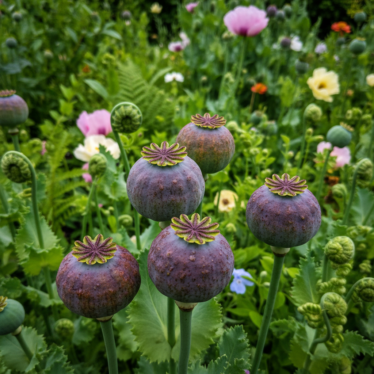
For independent guidance, consult trusted botanical and agricultural organizations:
- The United States Department of Agriculture (USDA) Plant Databaseoffers regional hardiness maps and species info for poppies.
- The Royal Horticultural Society (RHS)provides guidance on pests, soil, and practical growing tips.
Adding these links and references will help gardeners access reliable information and inspire them to succeed with mixed poppy flowers in any landscape.
For internal resources, garden centers should link to their specific product categories, such as “Drought-Tolerant Seeds,” “Wildflower Mixes,” or specific growing guides like “How to Prepare Soil for Spring Sowing.” These internal connections help users navigate the site and find complementary products for their mixed poppy flowers.
For external resources, refer to trusted botanical and agricultural organizations. The United States Department of Agriculture (USDA) Plant Database provides excellent regional hardiness maps for different poppy species. The Royal Horticultural Society (RHS) offers peer-reviewed insights into pest management and soil preparation. Linking to these high-authority domains signals trustworthiness and provides readers with scientifically backed cultivation data.
What Do Authority Sources Say About Poppy Varieties?
Authority sources classify mixed poppy flowers into several distinct categories based on their lifecycle and regional origins. Understanding these classifications helps gardeners choose the right mix for their specific climate zone.
Annual poppies, such as the Shirley poppy (Papaver rhoeas), complete their lifecycle in a single year. Botanical experts note that annual poppies produce abundant seeds, ensuring they return the following spring without manual replanting. They perform exceptionally well in temperate climates with distinct seasons.
Perennial poppies, like the Oriental poppy (Papaver orientale), establish deep root systems and return from the same rootstock year after year. Horticultural authorities recommend perennial mixed poppies for colder climates, as their roots can survive freezing winter temperatures.
The California poppy (Eschscholzia californica) is technically a tender perennial but is frequently grown as an annual in cooler regions. Agricultural extension offices highlight the California poppy for its extreme drought resistance and its ability to thrive in poor, sandy soils where other mixed poppy flowers might struggle.
FAQ: Buying and Growing Mixed Poppies
When is the best time to buy and plant mixed poppy seeds?
The best time to buy and plant mixed poppy seeds is early spring or late autumn. Autumn sowing allows the seeds to undergo natural cold stratification during the winter, which significantly improves spring germination rates for many poppy varieties.
Do mixed poppy flowers need fertilizer?
No, mixed poppy flowers generally do not need fertilizer. These plants naturally thrive in poor to average soil. Applying nitrogen-heavy fertilizers often encourages excessive foliage growth at the expense of flower production.
Can you grow mixed poppy flowers in pots or containers?
Yes, you can grow mixed poppy flowers in containers, provided the pots are deep enough to accommodate their taproots. Choose a container that is at least 10 to 12 inches deep, use a well-draining potting mix, and ensure the pot has adequate drainage holes to prevent root rot.
How long does it take for mixed poppies to bloom?
Mixed poppies typically bloom 60 to 90 days after the seeds germinate. The exact timeline depends on the specific varieties included in the seed mix, the local climate, and the amount of daily sunlight the plants receive.
Are mixed poppy flowers toxic to pets?
Yes, all parts of the poppy plant are toxic to dogs, cats, and horses if ingested. The plants contain alkaloids that can cause lethargy, loss of appetite, and changes in heart rate. Gardeners with pets should plant mixed poppy flowers in fenced-off or inaccessible areas.
Next Steps for Cultivating Your Mixed Poppy Garden
Growing mixed poppy flowers transforms an ordinary garden into a thriving, colorful, and ecologically friendly landscape. The process begins with selecting high-quality seeds, preparing a sunny garden bed with well-draining soil, and practicing proper watering techniques during the germination phase.
Take action today by mapping out the sunniest spots in your yard and purchasing a packet of mixed poppy seeds from a certified local nursery or trusted online supplier. By following the planting protocols outlined by botanical authorities, you will secure a beautiful, low-maintenance floral display that supports local pollinators and returns season after season.
