
- Your cart is empty
- Continue shopping
-
sales@primiumpoppypods.com
- Posted on
- Categories:Uncategorized
- 0 comments
Heirloom Blue Poppy Seeds: The Complete Guide to Growing, Using, and Buying
Maybe you’ve seen blue poppy seeds dusted over a bagel and wondered if you could grow them yourself. Or maybe you want seeds that stay true to their variety, year after year. Either way, you’re in the right place.
Most poppy seeds sold today are hybrids or generic stock. They won’t breed true, so saved seeds rarely match the parent plant. Heirloom blue poppy seeds solve that problem.
These seeds come from open-pollinated plants passed down through generations. Plant them, harvest them, save them, and repeat. This guide walks you through what they are, how to grow them, how to use them, and where to buy seeds you can trust.
You don’t need a horticulture degree to follow along. Start at the top and work your way down.
What Are Heirloom Blue Poppy Seeds?
Let’s clear up the confusion first. “Heirloom” means the seeds come from open-pollinated plants passed down through generations. They breed true, so the seeds you save grow into the same plant next season.
That matters more than you might think. Hybrid seeds often won’t reproduce reliably. Heirloom seeds will, which gives you a renewable supply once you start.
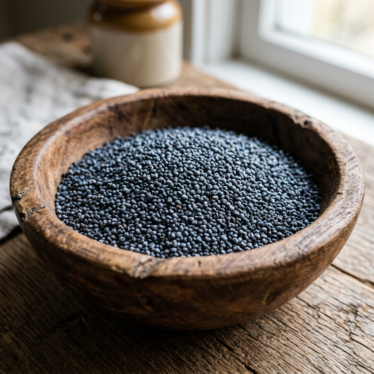
The “blue” refers to the seed color. These slate-blue, almost gray seeds come from specific poppy varieties bred for that deep, dramatic hue. They’re the same seeds you find on bread and pastries across Central and Eastern Europe.
Here’s what sets heirloom blue poppy seeds apart:
- True-to-type growth — save seeds and replant with confidence
- Rich, nutty flavor — stronger and more aromatic than generic seeds
- Cultural heritage — varieties grown the same way for over a century
- Versatility — useful in the kitchen, the garden, and decorative crafts
If you want seeds that keep on giving, heirloom is the practical choice. You can browse a full selection of premium poppy products in the shop to compare what’s available.
Botanical Overview: Papaver Somniferum Heirloom Seeds
Heirloom blue poppy seeds come from Papaver somniferum, the opium poppy. Don’t let the name throw you. The seeds themselves contain negligible alkaloids and are used worldwide as food.
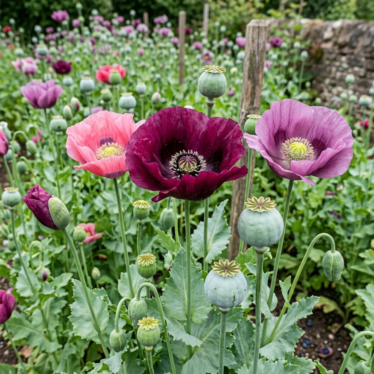
Papaver somniferum is an annual flowering plant in the Papaveraceae family. It grows upright, often reaching three to four feet tall. The flowers bloom in white, pink, purple, and red, then fade to reveal the seed pod.
That pod is where the value lives. Once dried, it splits into chambers packed with thousands of tiny seeds. A single pod can hold hundreds of seeds, which is why a small packet stretches a long way.
The plant has a long human history. People have cultivated it for at least 5,000 years, mostly for its seeds and oil. You can read a detailed botanical record on the Papaver somniferum Wikipedia page.
A few quick facts worth remembering:
- Family: Papaveraceae
- Life cycle: Annual
- Height: 3 to 4 feet
- Hardiness: Tolerates cool weather, sown in early spring or fall
- Seed count: Thousands per dried pod
Understanding the plant helps you grow it well. Next, let’s get your hands in the soil.
How to Grow Heirloom Blue Poppy Seeds
Many first-time growers worry they’ll kill the plant before it flowers. Relax. Poppies are far more forgiving than they look. Follow these steps and you’ll see sprouts within weeks.
Step 1: Time Your Planting
Poppies like cool soil. Sow seeds in early spring, as soon as the ground can be worked. In mild climates, you can also sow in fall for an early-summer bloom.
Don’t wait for warm weather. Heat slows germination and weakens seedlings.
Step 2: Prepare the Soil
Choose a spot with full sun and well-draining soil. Poppies dislike soggy roots. Loosen the top few inches of soil and remove weeds before sowing.
A light, sandy loam works best. If your soil is heavy clay, mix in compost to improve drainage.
Step 3: Sow Directly
Poppies hate being transplanted. Sow seeds directly where you want them to grow. Scatter the tiny seeds thinly across the surface, then press them gently into the soil.
Don’t bury them. Poppy seeds need light to germinate, so a light press is all they need.
Step 4: Water and Thin
Keep the soil lightly moist until seedlings appear, usually within one to three weeks. Once established, poppies handle dry spells well.
Thin seedlings to about six inches apart. Crowded plants produce smaller pods.
Step 5: Harvest and Save the Seeds
Wait until the pods turn brown and rattle when shaken. That sound tells you the seeds are dry and ready. Cut the pods, shake the seeds into a container, and store them in a cool, dry place.
Save some seeds for next season. That’s the heirloom advantage in action.
If you’d rather skip the wait, you can buy fresh, untreated poppy pods ready for seed harvesting or crafts.
Health Benefits of Blue Poppy Seeds
People have used poppy seeds in traditional diets for centuries, and modern nutrition backs much of that history. These tiny seeds carry a real nutritional load.
Treat what follows as general information, not medical advice. Always check with a healthcare provider before using any food as a remedy.
Strengthens Bones and Immunity
Blue poppy seeds supply calcium, phosphorus, manganese, and zinc. Calcium and phosphorus keep bones strong, while zinc supports immune function. A tablespoon adds a meaningful dose to your daily intake.
Supports Brain Function and Sleep
These seeds supply iron and copper, both linked to healthy brain activity. Iron carries oxygen to your brain cells, while copper supports nerve signaling. The U.S. Department of Agriculture lists poppy seeds among nutrient-dense seeds in its FoodData Central database.
Poppy seeds also carry a long folk reputation for calming the mind. Some research, indexed on resources like PubMed, has examined the mild compounds in poppy preparations. Many people add ground seeds to warm milk before bed.
Improves Skin, Hair, and Digestion
The seeds contain healthy fats and linoleic acid, which support skin moisture. Ground into a paste, poppy seeds have long featured in home skincare routines across South Asia.
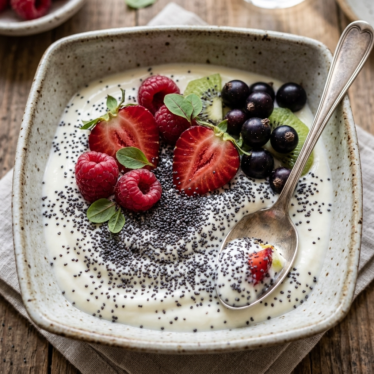
They’re also high in dietary fiber. Fiber keeps your digestion moving and supports gut health. Sprinkle them on yogurt or oatmeal for an easy boost.
Here’s a quick nutritional snapshot per tablespoon of poppy seeds:
| Nutrient | Approximate Amount |
|---|---|
| Fiber | 1.7 g |
| Calcium | 127 mg |
| Magnesium | 30 mg |
| Phosphorus | 76 mg |
| Healthy fats | 3.5 g |
Small seeds, real nutrition. That’s the takeaway.
Culinary Uses for Heirloom Blue Poppy Seeds
This is where most people first meet poppy seeds. Their nutty flavor and slight crunch make them a favorite in kitchens worldwide.
Because the seeds are so small and stick together, cooks often dry-roast or grind them first. Roasting brings out a deeper, warmer flavor and makes the seeds easier to handle.
Here are the most popular ways to use them:
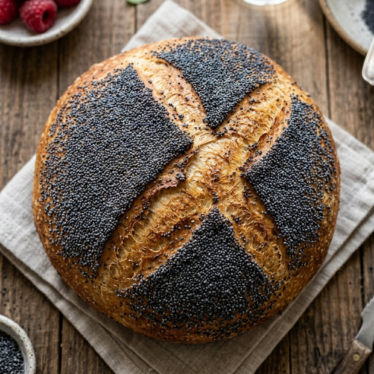
- Baking — sprinkle over bagels, breads, muffins, and rolls
- Fillings — grind into the classic poppy seed paste for strudels and pastries
- Dressings — whisk into vinaigrettes for a nutty bite
- Savory dishes — stir into potato, egg, pasta, and cheese recipes
- Toppings — finish salads, noodles, or roasted vegetables
In Central and Eastern Europe, ground poppy seed fillings appear in holiday cakes and breads. The flavor is rich, slightly sweet, and unmistakable.
Want to grind your own? Start with whole seeds and a spice grinder. Freshly ground seeds taste noticeably better than pre-ground ones. If you’d rather skip the step, ready-made poppy powder saves you time.
Prefer a brewed option? Many people steep poppy tea from dried pod seeds as a warm evening drink. Use it in moderation.
Decorative Uses for Poppy Pods
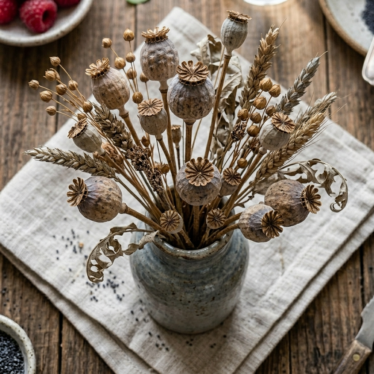
The kitchen isn’t the only place poppies shine. Dried poppy pods have become a staple in floral arrangements and home décor.
Their sculptural shape adds texture and a natural, earthy look. Crafters use them in wreaths, dried bouquets, and centerpieces.
Here’s why they work so well in décor:
- Long-lasting — dried pods hold their shape for years
- Neutral color — pairs with nearly any palette
- Unique texture — adds visual interest to arrangements
- Low maintenance — no water or care needed
If you create floral art, dried pods take your work to another level. Browse dried poppy pod heads for craft-ready options, or explore the larger Papaver poppy pods for bigger statement pieces.
How to Buy the Best Heirloom Blue Poppy Seeds
Now for the practical decision. Not all poppy seeds are equal, and quality swings widely between sellers. Cheap stock often germinates poorly or grows into plants that don’t match the description.
When you shop for heirloom blue poppy seeds, look for these signs of quality:
- Open-pollinated, true heirloom variety — so your saved seeds breed true
- Clean, untreated seeds — free from chemical coatings
- Clear sourcing — sellers who explain where seeds come from
- Trusted reputation — reviews and consistent product quality
Spend a little more for seeds you can rely on. The difference shows up in your germination rate and your harvest.
Use this simple checklist before you order:
- Confirm the variety is heirloom and open-pollinated
- Check that seeds are clean and untreated
- Read product descriptions carefully
- Order from a supplier you trust
Beyond seeds, you can also buy dried pods, powder, and tea from one specialty supplier. Each product suits a different use, from cooking to crafts to brewing. For carefully sourced options, start at the Premium Poppy Pods shop.
Make the right choice once, and you’ll hold a renewable seed supply for years.
Final Takeaway
Heirloom blue poppy seeds reward you on every front. They grow into striking flowers, feed you with nutrient-dense seeds, and give you craft materials that last.
Start small. Sow a single patch this season, harvest your pods, and save your seeds. You’ll learn the rhythm of the plant and build from there.
Ready to begin? Browse the full poppy collection and pick the seeds or pods that fit your goal.
Frequently Asked Questions
What are heirloom blue poppy seeds?
Heirloom blue poppy seeds are open-pollinated seeds from Papaver somniferum that breed true to type. They have a deep slate-blue color and a nutty flavor, and you can save and replant them year after year. People use them in cooking, gardening, and decorative crafts.
What is the difference between heirloom and regular poppy seeds?
Heirloom poppy seeds come from open-pollinated plants that breed true, so saved seeds grow the same plant next season. Regular or hybrid seeds often don’t reproduce reliably. Heirloom seeds also tend to offer richer flavor and stronger cultural heritage.
What is Papaver somniferum?
Papaver somniferum is the botanical name for the opium poppy, an annual plant in the Papaveraceae family. It grows three to four feet tall and produces the seeds and pods sold worldwide as food and craft material. People have grown it for at least 5,000 years, mostly for its seeds and oil.
How do you grow heirloom blue poppy seeds?
Sow the seeds directly in early spring in full sun and well-draining soil. Don’t bury them, since they need light to germinate. Keep the soil lightly moist until seedlings appear, thin them to six inches apart, then harvest seeds once the pods turn brown and rattle.
When is the best time to plant poppy seeds?
Plant poppy seeds in early spring, as soon as the ground can be worked. Poppies prefer cool soil, so don’t wait for warm weather. In mild climates, you can also sow in fall for an early-summer bloom.
How do you harvest and save poppy seeds?
Wait until the pods turn brown and rattle when shaken — that sound means the seeds are dry. Cut the pods and shake the seeds into a container, then store them in a cool, dry place. Keep some back for next season, since that renewable cycle is the main heirloom advantage.
Are blue poppy seeds safe to eat?
Yes, poppy seeds are safe to eat in normal food amounts, up to about 50 grams. They’re eaten worldwide on breads, pastries, and in savory dishes. Avoid very large amounts, and skip them entirely if you have a poppy allergy.
What are the health benefits of blue poppy seeds?
Blue poppy seeds are rich in fiber, healthy fats, and minerals like calcium, magnesium, phosphorus, manganese, and zinc. These nutrients support bone strength, digestion, and immune function. Always check with a healthcare provider before using any food as a remedy.
What are heirloom blue poppy seeds used for in cooking?
Blue poppy seeds add a nutty flavor and gentle crunch to both sweet and savory dishes. Cooks often dry-roast or grind them first, since the tiny seeds stick together. Common uses include topping breads, grinding into pastry fillings, and stirring into potato, egg, and pasta dishes.
Can you use poppy pods for decoration?
Yes, dried poppy pods are a popular choice for floral arrangements and home décor. Their sculptural shape adds natural texture to wreaths, dried bouquets, and centerpieces. They hold their shape for years and need no water or upkeep.
Where can you buy heirloom blue poppy seeds?
Buy heirloom blue poppy seeds from trusted specialty suppliers like the Premium Poppy Pods shop. Look for open-pollinated, clean, untreated seeds with clear sourcing details and consistent product quality.
FAQ Schema (JSON-LD)
{
  "@context": "https://schema.org",
  "@type": "FAQPage",
  "mainEntity": [
    {
      "@type": "Question",
      "name": "What are heirloom blue poppy seeds?",
      "acceptedAnswer": {
        "@type": "Answer",
        "text": "Heirloom blue poppy seeds are open-pollinated seeds from Papaver somniferum that breed true to type. They have a deep slate-blue color and a nutty flavor, and you can save and replant them year after year. People use them in cooking, gardening, and decorative crafts."
      }
    },
    {
      "@type": "Question",
      "name": "What is the difference between heirloom and regular poppy seeds?",
      "acceptedAnswer": {
        "@type": "Answer",
        "text": "Heirloom poppy seeds come from open-pollinated plants that breed true, so saved seeds grow the same plant next season. Regular or hybrid seeds often don't reproduce reliably. Heirloom seeds also tend to offer richer flavor and stronger cultural heritage."
      }
    },
    {
      "@type": "Question",
      "name": "What is Papaver somniferum?",
      "acceptedAnswer": {
        "@type": "Answer",
        "text": "Papaver somniferum is the botanical name for the opium poppy, an annual plant in the Papaveraceae family. It grows three to four feet tall and produces the seeds and pods sold worldwide as food and craft material. People have grown it for at least 5,000 years, mostly for its seeds and oil."
      }
    },
    {
      "@type": "Question",
      "name": "How do you grow heirloom blue poppy seeds?",
      "acceptedAnswer": {
        "@type": "Answer",
        "text": "Sow the seeds directly in early spring in full sun and well-draining soil. Don't bury them, since they need light to germinate. Keep the soil lightly moist until seedlings appear, thin them to six inches apart, then harvest seeds once the pods turn brown and rattle."
      }
    },
    {
      "@type": "Question",
      "name": "When is the best time to plant poppy seeds?",
      "acceptedAnswer": {
        "@type": "Answer",
        "text": "Plant poppy seeds in early spring, as soon as the ground can be worked. Poppies prefer cool soil, so don't wait for warm weather. In mild climates, you can also sow in fall for an early-summer bloom."
      }
    },
    {
      "@type": "Question",
      "name": "How do you harvest and save poppy seeds?",
      "acceptedAnswer": {
        "@type": "Answer",
        "text": "Wait until the pods turn brown and rattle when shaken, which means the seeds are dry. Cut the pods and shake the seeds into a container, then store them in a cool, dry place. Keep some back for next season, since that renewable cycle is the main heirloom advantage."
      }
    },
    {
      "@type": "Question",
      "name": "Are blue poppy seeds safe to eat?",
      "acceptedAnswer": {
        "@type": "Answer",
        "text": "Yes, poppy seeds are safe to eat in normal food amounts, up to about 50 grams. They're eaten worldwide on breads, pastries, and in savory dishes. Avoid very large amounts, and skip them entirely if you have a poppy allergy."
      }
    },
    {
      "@type": "Question",
      "name": "What are the health benefits of blue poppy seeds?",
      "acceptedAnswer": {
        "@type": "Answer",
        "text": "Blue poppy seeds are rich in fiber, healthy fats, and minerals like calcium, magnesium, phosphorus, manganese, and zinc. These nutrients support bone strength, digestion, and immune function. Always check with a healthcare provider before using any food as a remedy."
      }
    },
    {
      "@type": "Question",
      "name": "What are heirloom blue poppy seeds used for in cooking?",
      "acceptedAnswer": {
        "@type": "Answer",
        "text": "Blue poppy seeds add a nutty flavor and gentle crunch to both sweet and savory dishes. Cooks often dry-roast or grind them first, since the tiny seeds stick together. Common uses include topping breads, grinding into pastry fillings, and stirring into potato, egg, and pasta dishes."
      }
    },
    {
      "@type": "Question",
      "name": "Can you use poppy pods for decoration?",
      "acceptedAnswer": {
        "@type": "Answer",
        "text": "Yes, dried poppy pods are a popular choice for floral arrangements and home décor. Their sculptural shape adds natural texture to wreaths, dried bouquets, and centerpieces. They hold their shape for years and need no water or upkeep."
      }
    },
    {
      "@type": "Question",
      "name": "Where can you buy heirloom blue poppy seeds?",
      "acceptedAnswer": {
        "@type": "Answer",
        "text": "Buy heirloom blue poppy seeds from trusted specialty suppliers like the Premium Poppy Pods shop. Look for open-pollinated, clean, untreated seeds with clear sourcing details and consistent product quality."
      }
    }
  ]
}
