
- Your cart is empty
- Continue shopping
-
sales@primiumpoppypods.com
- Posted on
- Categories:Uncategorized
- 0 comments
Decorative Poppy Pods: The Complete Authority Guide
Few natural materials capture the imagination quite like decorative poppy pods! These sculptural seed capsules bring history, texture, and earthy elegance to any space, and once you start working with them, you’ll wonder how you ever decorated without them. Whether you’re a florist building a dramatic centerpiece, a crafter assembling a rustic wreath, or a homeowner searching for that perfect organic accent, dried poppy pods deliver beauty that lasts for years.
This complete guide walks you through everything you need to know: what these pods actually are, the different types available, how to spot top quality, clever ways to style them, and the legal details worth understanding before you buy. Ready to fall in love with one of nature’s most striking botanical treasures? Let’s dig in!
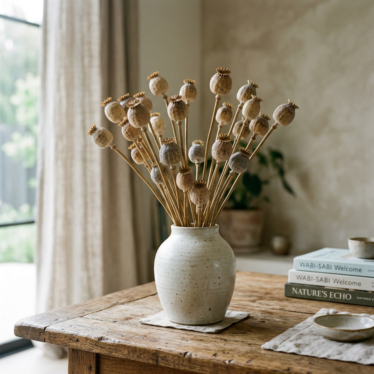
What Are Decorative Poppy Pods?
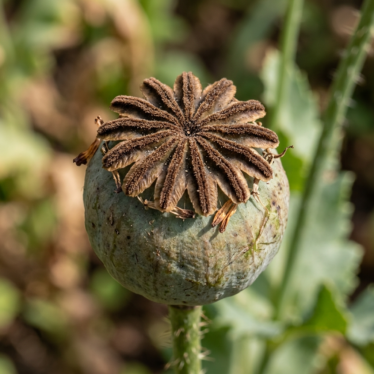
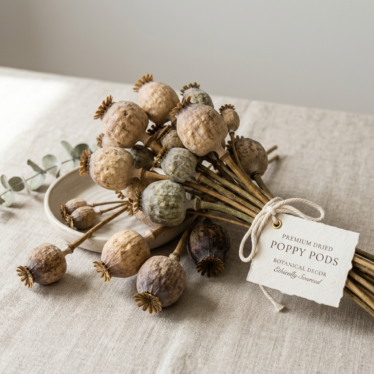
Decorative poppy pods are the dried seed capsules left behind after a poppy flower drops its petals. Each pod forms a rounded, woody shell topped with a distinctive crown-like disk, giving it that unmistakable sculptural look designers adore.
In plain terms: when a poppy flower finishes blooming, it produces a bulbous capsule packed with hundreds of tiny seeds. As that capsule matures and dries, the outer shell hardens into a firm, durable structure in shades of tan, gray-green, or light brown. People then use these dried pods purely as ornamental and craft materials.
What makes them so special? Their organic shape adds instant texture and visual interest to arrangements, and they hold up beautifully over time. Unlike fresh flowers that wilt within days, a well-preserved poppy pod can stay gorgeous for years with the right care. That durability, paired with their natural neutral tones, makes them a favorite for home décor, dried floral design, and handmade crafts.
You’ll find a full range of these botanical beauties in the poppy pods collection, where each variety brings its own unique character to the table.
Botanical Background: Meet Papaver somniferum
Let’s talk botany for a moment, because understanding the plant behind the pod makes you a smarter buyer!
Most decorative poppy pods come from Papaver somniferum, commonly known as the opium poppy or breadseed poppy. This annual flowering plant is native to the Mediterranean region and has been cultivated by humans for thousands of years. According to the Royal Horticultural Society, Papaver somniferum thrives in well-drained soil under full sun, producing showy blooms before forming its iconic seed heads.
Here’s how the life cycle works:
- Flowering: The plant produces large, papery blooms in white, pink, purple, and red.
- Pollination: Once pollination occurs, the delicate petals drop away.
- Pod formation: A bulbous seed capsule swells in place of the flower.
- Maturing: The pod’s shell hardens and turns tan or brown, developing that recognizable crown of stigma points on top.
- Harvest: Growers cut the mature pods and dry them for decorative use.
Inside each pod sit hundreds of tiny poppy seeds, the very same seeds bakers sprinkle on breads, bagels, and pastries. The plant also contains alkaloids like morphine and codeine, which is why it carries a complex global reputation and why decorative pods are sold strictly as ornamental items. For a deeper botanical overview, the Wikipedia entry on Papaver somniferum offers a thorough, well-sourced summary.
You can explore more about the plant’s history and uses in this detailed guide to dried poppy pods.
Types of Decorative Poppy Pods
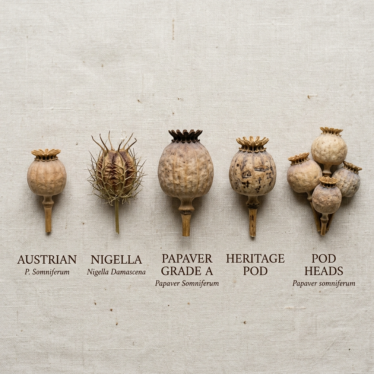
Not all poppy pods look the same, and knowing the differences helps you pick exactly the right one for your project. Here’s a rundown of the most popular varieties!
Austrian Dried Poppy Pods
Austrian poppy pods are prized for their generous size and smooth, rounded form. These larger pods make a bold statement in tall arrangements and standalone displays. If you want drama and presence, Austrian pods deliver beautifully.
Dried Nigella Poppy Pods
Don’t let the name fool you! Nigella pods (often called love-in-a-mist pods) bring a delicate, spiky, almost whimsical texture. Their slender horn-like protrusions add playful contrast to softer botanical elements, making them perfect for bohemian and eclectic styling.
Dried Papaver Poppy Pods (Grade A)
Grade A Papaver pods are the gold standard for serious designers. These hand-selected pods feature consistent color, intact shape, and firm structure, which means they photograph wonderfully and arrange like a dream. They’re a go-to choice for premium floral work. You can shop these top-tier pods on the Dried Papaver Poppy Pods (Grade A) page.
Opium Poppy Pods
Opium poppy pods are the largest and most sculptural of the bunch, with deeply ribbed shells and a commanding silhouette. Their size and structure make them statement pieces in any setting, though buyers should always check local regulations (more on that below).
Dried Poppy Pod Heads
Classic dried poppy pod heads are the versatile workhorse of the poppy world. Medium-sized, crowned, and reliably attractive, they suit nearly any craft or décor project. Browse them directly on the Dried Poppy Pod Heads page when you’re ready to stock up.
Quick comparison at a glance:
| Type | Size | Best For |
|---|---|---|
| Austrian | Large | Bold standalone displays |
| Nigella | Small, spiky | Bohemian, textured accents |
| Papaver Grade A | Medium, premium | Professional floral design |
| Opium | Extra large | Dramatic statement pieces |
| Pod Heads | Medium | All-purpose crafts and décor |
Decorative & Craft Uses
This is where the fun really begins! Decorative poppy pods are wonderfully flexible, and once you see the possibilities, your creative wheels will start spinning.
Here are the most popular ways people put them to use:
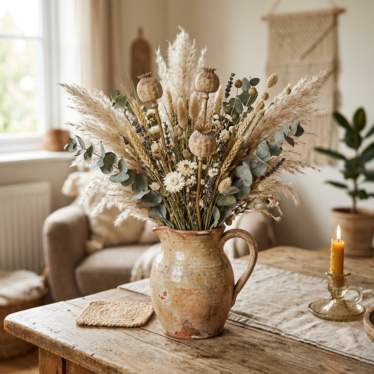
- Floral arrangements: Pods add structure, height, and intriguing visual contrast to bouquets and dried flower displays. Pair them with eucalyptus, pampas grass, or preserved blooms for a balanced composition.
- Rustic home décor: Their muted, earthy tones complement farmhouse, bohemian, and nature-inspired interiors effortlessly.
- Wreaths and seasonal décor: Tuck pods into autumn wreaths or holiday centerpieces for organic texture that store-bought decorations simply can’t match.
- Potpourri blends: Mix pods with dried petals and aromatic botanicals for a sculptural, scented display.
- Handmade ornaments: Crafters love using pods in mixed-media art, jewelry-inspired pieces, and decorative ornaments.
- Styled photography: Photographers and stylists reach for poppy pods to add depth and natural character to product shoots and editorial scenes.
- Educational displays: Teachers and plant enthusiasts use pods to demonstrate seed formation and plant anatomy.
Here’s a little tip from experience: poppy pods look stunning in odd-numbered groupings. A cluster of three or five pods at varying heights reads as far more natural and pleasing to the eye than a perfectly even arrangement. Try it and see the difference!
Because pods are so durable, they reward a bit of care with years of beauty. Keep them in a dry environment, handle them gently, and they’ll hold their sculptural form season after season.
How to Choose Quality Poppy Pods
Quality matters enormously when it comes to dried botanicals. The difference between a so-so pod and a stunning one comes down to a few key characteristics, and spotting them is easy once you know what to look for!
When evaluating decorative poppy pods, check for these markers of quality:
- Well-preserved shape: The pod should be intact, never crushed, cracked, or broken. A pristine silhouette is everything.
- Consistent natural color: Look for uniform tan, gray-green, or light brown tones. Even coloring signals proper, careful drying.
- Firm structure: Quality pods feel solid and woody, not soft or papery. Give one a gentle squeeze; it should hold its shape.
- Attached stems: Pods with stems are far easier to arrange in bouquets and crafts, so they’re worth seeking out.
- Clean surface: Avoid pods with mold spots, excessive dust, or signs of moisture damage.
A helpful buying tip: order from a supplier who sorts pods by size and grade, because consistency makes your styling work so much smoother. Mismatched pods can throw off the balance of an arrangement, while uniform pods click together beautifully.
If you’re after dependable quality, the practical buying guide for dried poppy pod heads walks you through exactly what to expect from premium pods.
Styling Tips for Home Décor
Now for the part everyone loves: making your space gorgeous! Decorative poppy pods are endlessly stylish, and these ideas will help you show them off like a pro.
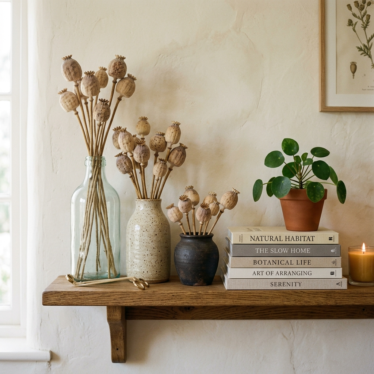
Go monochrome for modern minimalism. Group several pods of the same variety in a simple ceramic or glass vessel. The repetition of shape creates a clean, sculptural statement that feels effortlessly chic.
Mix textures for boho warmth. Combine poppy pods with feathery pampas grass, twisted willow, and dried wheat. The contrast between smooth pods and wispy grasses brings cozy, layered dimension to bohemian interiors.
Create height with tall vessels. Long-stemmed pods in a slender floor vase make a dramatic entryway or corner accent. Place them where the light catches their sculptural form for maximum impact.
Embrace seasonal swaps. Tuck pods into autumn tablescapes, winter mantel displays, or year-round shelf styling. Their neutral palette pairs with practically any color scheme you bring in.
Try a single statement pod. Sometimes less truly is more. A single oversized Austrian or opium pod displayed in a minimalist holder becomes a quiet, artful focal point.
Here’s a styling secret: vary the heights of your stems for a natural, organic feel. Cutting every stem to the same length looks stiff, but staggering them mimics how pods grow in the wild and instantly elevates the look.
Want even more design inspiration and care advice? The complete overview of dried poppy pods and their uses is packed with helpful ideas.
Legal Considerations
Let’s cover an important topic honestly, because being informed protects you as a buyer.
Because decorative poppy pods come from Papaver somniferum, the same plant associated with opium-derived substances, laws regarding poppy pods vary from country to country and even region to region. In some areas, the sale, possession, or import of dried poppy pods may be regulated or restricted.
Here’s what every buyer should keep in mind:
- Review local regulations first. Before purchasing, selling, or importing poppy pods, check the laws that apply to your specific location. Rules differ widely across jurisdictions.
- Treat pods strictly as decorative items. These pods are sold for ornamental and craft use only. They should never be ingested or processed.
- Keep them out of reach of children and pets. Responsible storage prevents accidents and misuse.
- Buy from reputable suppliers. A trustworthy seller is transparent about their products and helps you make an informed, responsible purchase.
Approaching poppy pods with awareness and respect lets you enjoy their beauty while staying fully compliant with the law. When in doubt, a quick check of your local regulations is always the smart move.
Where to Buy Decorative Poppy Pods
Ready to bring these botanical beauties into your home or studio? Choosing the right source makes all the difference between disappointing pods and ones that truly shine.
Look for a supplier that offers:
- A genuine range of varieties so you can match the perfect pod to your project
- Pods sorted by size and grade for reliable consistency
- Clear product photos and honest descriptions
- Quality you can count on, with intact shapes and uniform color
- Helpful guidance for both hobbyists and professional designers
At primiumpoppypods.com, you’ll find a full selection of premium decorative poppy pods, from sculptural Austrian pods to delicate Nigella varieties and hand-selected Grade A Papaver pods. Whether you need a single statement piece or bulk quantities for a big project, the collection has you covered.
Shop the complete poppy pods collection today and discover why florists, crafters, and décor lovers keep coming back. Your most beautiful arrangement is just a few pods away!
Frequently Asked Questions
What are decorative poppy pods used for?
Decorative poppy pods are used for floral arrangements, rustic home décor, wreaths, potpourri, handmade crafts, and styled photography. Their sculptural shape and neutral tones add natural texture to bouquets, centerpieces, and interior displays, and they last for years when kept dry.
Are decorative poppy pods legal to buy?
Laws regarding poppy pods vary by country and region because they come from Papaver somniferum. In some areas, sale, possession, or import may be regulated. Always review your local regulations before purchasing, and treat the pods strictly as decorative items that should never be ingested.
How do I choose high-quality dried poppy pods?
Look for pods with a well-preserved, intact shape, consistent tan or light brown color, a firm woody structure, and attached stems for easy arranging. Avoid pods that are crushed, soft, moldy, or unevenly colored. Buying from a supplier that sorts pods by size and grade ensures the best consistency.
How long do dried poppy pods last?
When stored in a dry environment and handled carefully, dried poppy pods can last for several years. Their naturally durable, woody structure helps them retain their sculptural form far longer than fresh flowers, making them ideal for long-lasting natural décor.
What types of decorative poppy pods are available?
Common types include Austrian pods (large and bold), Nigella pods (small and spiky), Papaver Grade A pods (premium and consistent), Opium pods (extra large and dramatic), and classic dried poppy pod heads (versatile and medium-sized). Each variety suits different décor and craft projects.
FAQ Schema Snippet (JSON-LD)
{
  "@context": "https://schema.org",
  "@type": "FAQPage",
  "mainEntity": [
    {
      "@type": "Question",
      "name": "What are decorative poppy pods used for?",
      "acceptedAnswer": {
        "@type": "Answer",
        "text": "Decorative poppy pods are used for floral arrangements, rustic home décor, wreaths, potpourri, handmade crafts, and styled photography. Their sculptural shape and neutral tones add natural texture to bouquets, centerpieces, and interior displays, and they last for years when kept dry."
      }
    },
    {
      "@type": "Question",
      "name": "Are decorative poppy pods legal to buy?",
      "acceptedAnswer": {
        "@type": "Answer",
        "text": "Laws regarding poppy pods vary by country and region because they come from Papaver somniferum. In some areas, sale, possession, or import may be regulated. Always review your local regulations before purchasing, and treat the pods strictly as decorative items that should never be ingested."
      }
    },
    {
      "@type": "Question",
      "name": "How do I choose high-quality dried poppy pods?",
      "acceptedAnswer": {
        "@type": "Answer",
        "text": "Look for pods with a well-preserved, intact shape, consistent tan or light brown color, a firm woody structure, and attached stems for easy arranging. Avoid pods that are crushed, soft, moldy, or unevenly colored. Buying from a supplier that sorts pods by size and grade ensures the best consistency."
      }
    },
    {
      "@type": "Question",
      "name": "How long do dried poppy pods last?",
      "acceptedAnswer": {
        "@type": "Answer",
        "text": "When stored in a dry environment and handled carefully, dried poppy pods can last for several years. Their naturally durable, woody structure helps them retain their sculptural form far longer than fresh flowers, making them ideal for long-lasting natural décor."
      }
    },
    {
      "@type": "Question",
      "name": "What types of decorative poppy pods are available?",
      "acceptedAnswer": {
        "@type": "Answer",
        "text": "Common types include Austrian pods (large and bold), Nigella pods (small and spiky), Papaver Grade A pods (premium and consistent), Opium pods (extra large and dramatic), and classic dried poppy pod heads (versatile and medium-sized). Each variety suits different décor and craft projects."
      }
    }
  ]
}
Bring home the natural beauty of decorative poppy pods! Explore the full poppy pods collection at primiumpoppypods.com and start styling your most stunning arrangement yet.
