
- Your cart is empty
- Continue shopping
-
sales@primiumpoppypods.com
- Posted on
- Categories:Uncategorized
- 0 comments
Dried Seeds: The Complete Guide to Poppy Seeds and Pods
Maybe you spotted dried seeds in a bakery, a craft store, or a wellness shop and wondered what makes them special. You’re not alone. Dried seeds cover a wide range of uses — from cooking to crafting — and it’s easy to feel unsure where to start.
This guide clears that up. You’ll learn what dried seeds are, the main types you’ll find, and how to use them in the kitchen, in floral work, and beyond. By the end, you’ll know exactly what to buy, how to store it, and where quality comes from.
Let’s start with the basics.
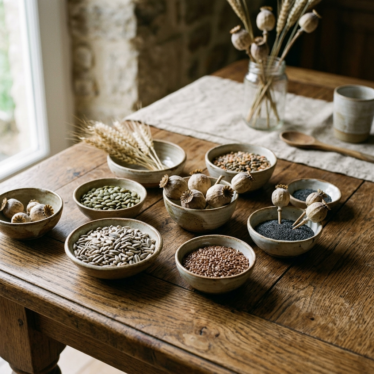
What Are Dried Seeds?
Dried seeds are seeds that have had most of their moisture removed. Drying preserves them for long-term use and keeps their flavor, texture, and structure intact.
Think of it this way. Fresh seeds spoil quickly. Dried seeds last for months when you store them well.
People dry seeds for three main reasons:
- Cooking — Dried seeds add flavor, crunch, and nutrition to food.
- Decoration — Dried seed pods make striking pieces in floral arrangements and crafts.
- Preservation — Drying extends shelf life and makes seeds easier to transport.
The drying process matters more than most people realize. Proper drying locks in nutrients and prevents mold. Poorly dried seeds turn rancid or grow bacteria.
That’s why sourcing from a trusted supplier makes a real difference. When you shop for premium dried seeds and pods, you’re paying for careful harvesting and drying — not just the seed itself.
Takeaway: Dried seeds are preserved seeds used for cooking, crafting, and storage. Quality starts with how they’re dried.
Types of Dried Seeds
There are many types of dried seeds, and each one serves a different purpose. Some are kitchen staples. Others shine in decorative work.
Here are the main categories you’ll come across.
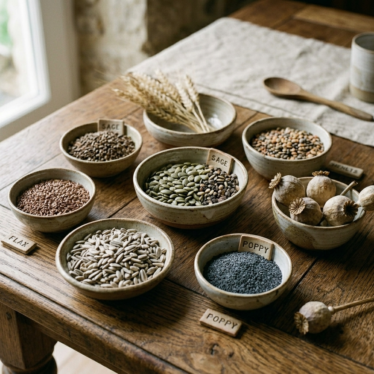
[IMAGE: Close-up comparison of different dried seed varieties including poppy and sage]
Poppy Seeds
Poppy seeds are tiny, kidney-shaped seeds from the poppy plant. They’re a culinary favorite across Europe, the Middle East, and South Asia.
You’ll find them on bagels, in pastries, and ground into fillings. They carry a mild, nutty flavor and a satisfying crunch.
Because they’re so small, poppy seeds tend to stick together. Many cooks dry-roast or soak them before use to bring out their flavor.
Papaver Poppy Pods
Papaver pods come from the Papaver family of poppy plants. When dried, they become firm and sculptural — prized in floral design and decorative crafts.
These pods hold their shape for years. Crafters and florists love them for wreaths, dried bouquets, and rustic centerpieces.
If you want top-grade decorative pods, the dried Papaver poppy pods collection offers Grade A quality made for display.
Dried Poppy Pod Heads
Poppy pod heads are the rounded seed capsules left after the flower fades. Once dried, they develop a unique texture and earthy tone.
People use them for natural home décor, autumn arrangements, and handmade crafts. Their organic look adds warmth to any space.
Browse the dried poppy pod heads range if you’re building a decorative project.
Untreated Whole Poppy Pods
Whole poppy pods keep the entire seed capsule intact. They’re versatile — used in crafts, dried displays, and floral work.
The untreated poppy pods option gives you natural pods harvested straight from the poppy flower, with no extra processing.
Sage Bundles
Sage isn’t a seed, but dried sage bundles often sit alongside dried seed products in wellness and home goods shops. People burn them for cleansing rituals or use them as fragrant décor.
They pair well with dried floral arrangements and add a calming, herbal scent to a room.
Other Common Dried Seeds
Beyond poppy, you’ll find plenty of everyday dried seeds:
- Sesame seeds — nutty flavor, popular in baking and Asian dishes
- Sunflower seeds — snackable, rich in healthy fats
- Pumpkin seeds — high in magnesium and zinc
- Flax seeds — packed with omega-3 fatty acids
- Chia seeds — gel up in liquid, great for puddings and smoothies
Takeaway: Match the seed to your goal. Choose culinary seeds for cooking and pods for decorative work.
Health Benefits of Dried Seeds
Dried seeds pack a lot of nutrition into a small package. Many people add them to meals for both flavor and health.
Poppy seeds, in particular, carry an impressive nutrient profile. According to USDA FoodData Central, poppy seeds are rich in fiber, calcium, magnesium, manganese, phosphorus, and healthy fats.
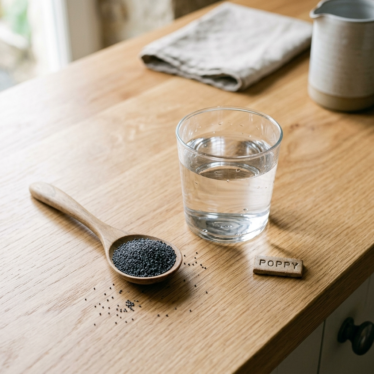
Here’s what those nutrients can support:
- Digestion — The fiber in seeds helps keep your digestive system regular.
- Bone health — Calcium, phosphorus, and manganese all play a role in strong bones.
- Brain function — Healthy fats and minerals support normal nerve and brain activity.
- Immunity — Zinc and other trace minerals help your immune system work properly.
- Skin and hair — Omega-6 fatty acids contribute to healthy skin and hair.
Let’s be honest about limits. Foods containing up to about 50 grams of poppy seed are generally considered safe to eat. Eating very large amounts may cause digestive issues, and some people have seed allergies.
If you have a medical condition or allergy concern, check with a healthcare professional first. You can find general guidance through trusted sources like the Mayo Clinic.
Takeaway: Dried seeds add real nutritional value to your diet. Use them in normal food amounts and listen to your body.
Culinary Uses of Dried Seeds
This is where dried seeds shine for most home cooks. They’re easy to add, and they bring texture and flavor to nearly any dish.
Poppy seeds work beautifully in baking. Because they clump together, dry-roast or soak them first to spread the flavor evenly.
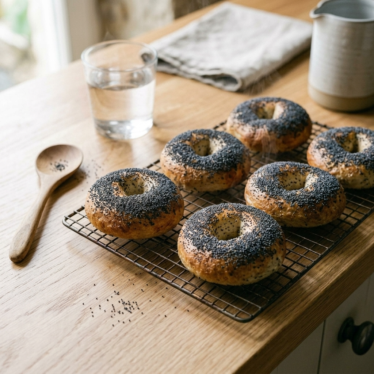
Here are practical ways to use them:
- Baking — Sprinkle poppy seeds on breads, bagels, and rolls before baking.
- Fillings — Grind soaked seeds for pastry fillings, common in Central and Eastern European cakes.
- Salads — Toss toasted seeds into salads for crunch.
- Dressings — Stir poppy seeds into vinaigrettes for a nutty bite.
- Pasta and grains — Mix seeds into pasta, egg, or cheese dishes.
Other dried seeds offer their own kitchen wins:
- Sesame — top stir-fries, breads, and noodle dishes
- Flax and chia — blend into smoothies, oatmeal, or baked goods
- Sunflower and pumpkin — add to trail mix, granola, or salads
A simple tip: toast seeds in a dry pan for a minute or two before using. Toasting wakes up the oils and deepens the flavor.
If poppy seeds are your focus, you might also enjoy exploring poppy tea made from dried poppy pod seeds as another traditional use.
Takeaway: Start small. Add a spoonful of seeds to a dish you already make and build from there.
Decorative and Floral Uses
Dried seed pods aren’t just for eating. They’re a favorite material for crafters, florists, and home decorators.
Dried poppy pods, in particular, hold their shape and color for years. That makes them ideal for long-lasting arrangements.
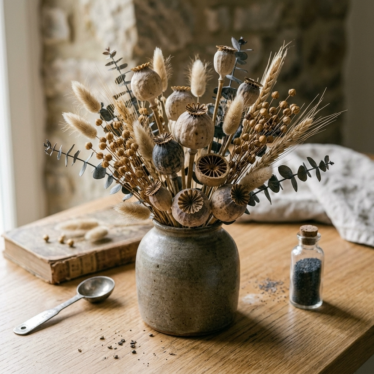
Here’s how people use them:
- Floral arrangements — Add height and texture to dried bouquets.
- Wreaths — Mix pods with dried flowers and greenery for seasonal wreaths.
- Centerpieces — Create rustic table displays for weddings and events.
- Home décor — Fill vases and bowls for a natural, organic look.
- Craft projects — Use pods in painting, resin work, and handmade gifts.
Fresh poppy pods are the seed pods harvested from the poppy flower. Once dried, they take on a sculptural quality that adds a natural, pleasant feel to any creation.
For decorative projects, quality and shape matter most. The dried poppy pod heads and Papaver poppy pods collections are both popular choices for crafters who want consistent, display-ready pods.
Takeaway: Pick pods with strong shape and color for decorative work. They’ll last far longer than fresh flowers.
How to Store Dried Seeds and Pods
Good storage protects your investment. Even premium dried seeds lose quality if you store them wrong.
The enemies are simple: moisture, heat, light, and air. Control those four, and your seeds stay fresh for months.
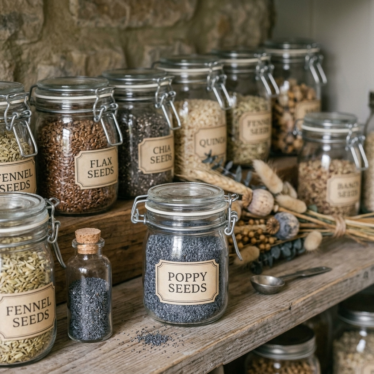
For seeds, follow these steps:
- Use airtight containers — Glass jars or sealed bags keep moisture and air out.
- Store in a cool, dark place — A pantry or cupboard works better than a sunny counter.
- Keep them dry — Any moisture invites mold. Make sure containers are fully dry before filling.
- Label with dates — Track when you bought them so you use older seeds first.
- Refrigerate oily seeds — Flax, chia, and poppy seeds last longer in the fridge because their oils can turn rancid.
For decorative pods, the rules shift slightly. Keep them out of direct sunlight to prevent fading, and avoid humid rooms like bathrooms.
A quick check: if seeds smell sour or bitter, they’ve likely gone rancid. Toss them and start fresh.
Takeaway: Cool, dark, dry, and airtight. Remember those four words and your seeds will last.
Buying Guide: How to Choose Premium Dried Poppy Pods
Not all dried seeds are equal. The difference between cheap and premium comes down to sourcing, drying, and handling.
Use this five-point checklist when you buy dried poppy seeds or pods.
1. Check the Source
Buy from suppliers who explain where their seeds come from. Organic certification and clear farming practices are good signs.
A trusted supplier is transparent about harvesting and drying methods. If that information is missing, move on.
2. Inspect Appearance and Smell
For culinary seeds, look for even color and a fresh, clean smell. Avoid seeds that look dusty, faded, or smell off.
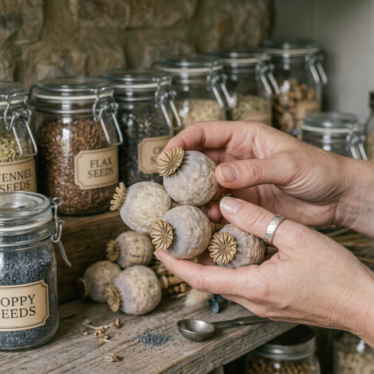
For decorative pods, check the shape. Premium pods hold a firm, full form with no cracks or crumbling.
3. Match the Product to Your Purpose
Buy based on what you actually need:
- For cooking, choose food-grade culinary seeds.
- For crafts and décor, choose whole untreated poppy pods or dried poppy pod heads.
- For display-grade quality, look at Grade A Papaver poppy pods.
4. Compare Pricing Honestly
Premium dried seeds cost more, and there’s a reason. Careful harvesting, proper drying, and quality control all add value.
Very cheap seeds often mean poor drying or low-grade stock. Pay for quality that lasts.
5. Confirm Safe, Reliable Delivery
Choose a supplier with fast, trusted shipping. Good packaging protects fragile pods and keeps seeds dry in transit.
When you’re ready, browse the full shop to compare options side by side.
Takeaway: Match the product to your purpose, check quality signals, and buy from a transparent supplier.
Frequently Asked Questions
General Questions About Dried Seeds
What are dried seeds?
Dried seeds are seeds with most of their moisture removed, which preserves them for long-term use. Drying keeps their flavor, texture, and structure intact for months. People use dried seeds for cooking, decoration, and storage. Proper drying also locks in nutrients and prevents mold. You can browse a full range of dried poppy seeds and pods to compare options.
What is the difference between poppy seeds and poppy pods?
Poppy seeds are the tiny seeds found inside the plant’s seed capsule. Poppy pods are the whole dried seed capsules. Seeds are mostly used for cooking and baking, while pods are popular for decorative and craft projects. If you want whole pods, the untreated poppy pods option gives you natural material straight from the flower.
What types of dried poppy products can I buy?
You can buy several types depending on your goal. Common options include whole untreated poppy pods, dried poppy pod heads for crafts, premium Papaver poppy pods for display work, and poppy tea from dried pod seeds. Each suits a different use, from cooking to home décor.
Health and Safety
What are the health benefits of poppy seeds?
Poppy seeds are rich in fiber, calcium, magnesium, manganese, phosphorus, and healthy fats. According to USDA FoodData Central, these nutrients support digestion, bone health, brain function, and immunity. The fiber helps keep your digestive system regular, while calcium and phosphorus support strong bones. Use them in normal food amounts to get the benefits.
Are dried poppy seeds safe to eat?
Yes, dried poppy seeds are safe to eat in normal food amounts. Foods containing up to about 50 grams of poppy seed are generally considered safe. Eating very large amounts may cause digestive issues, and some people have a seed allergy. If you have a health concern, check with a professional first — sources like the Mayo Clinic offer reliable guidance.
How many poppy seeds are safe to eat in a day?
Normal culinary amounts — the kind you’d find on a bagel or in a pastry — are generally considered safe. Foods containing up to about 50 grams of poppy seed are typically fine to eat. Avoid very large amounts, which may cause digestive problems. If you have an allergy or medical condition, talk to a healthcare professional before adding more.
Can poppy seeds cause an allergic reaction?
Yes, some people are allergic to poppy seeds. Reactions are uncommon but can happen, just as with other seeds and nuts. If you notice any allergic symptoms after eating them, stop use and seek medical advice. For trusted general health information, check a source like the Mayo Clinic.
Culinary Uses
What are poppy seeds used for in cooking?
Poppy seeds add a mild, nutty flavor and a satisfying crunch to many dishes. Common uses include topping breads and bagels, filling pastries, and adding texture to salads and dressings. They’re also stirred into pasta, egg, and cheese dishes. Across Europe and South Asia, they’re a baking staple.
Do I need to roast poppy seeds before using them?
You don’t have to, but toasting improves the flavor. Because poppy seeds are tiny and stick together, dry-roasting or soaking them first spreads the flavor and makes them easier to handle. Toast them in a dry pan for one to two minutes to wake up the natural oils. This simple step deepens the taste in any recipe.
What is poppy tea and how is it made?
Poppy tea is a traditional drink made by steeping dried poppy pod seeds in hot water. It’s one of the long-standing uses for poppy products beyond baking. You can explore ready options like poppy tea from dried poppy pod seeds. Always use products as directed and consult a professional if you have any health concerns.
Decorative and Craft Uses
What are dried poppy pods used for in crafts?
Dried poppy pods are a favorite material for floral arrangements, wreaths, centerpieces, and home décor. Their firm, sculptural shape holds for years, so your work lasts far longer than fresh flowers. Crafters also use them in resin work and handmade gifts. For consistent, display-ready pods, the dried poppy pod heads collection is a popular choice.
What are Papaver poppy pods best for?
Papaver poppy pods are mainly used for decorative projects. Their full, sculptural shape makes them ideal for dried floral arrangements, wreaths, and rustic home décor. Grade A pods hold their shape and color for years. Browse the Papaver poppy pods range if you want premium, display-grade quality.
Are dried sage bundles related to dried seeds?
Sage bundles aren’t seeds, but they often sit alongside dried seed products in wellness and home goods shops. People burn them for cleansing rituals or use them as fragrant décor. They pair well with dried floral arrangements and add a calming, herbal scent to a room.
Storage
How do I store dried poppy seeds to keep them fresh?
Store dried poppy seeds in an airtight container in a cool, dark, dry place. Refrigerate them, since their natural oils can turn rancid over time. Label jars with dates so you use older stock first. A quick test: if seeds smell sour or bitter, they’ve gone rancid — toss them and start fresh.
How long do dried poppy pods last?
When stored correctly, dried poppy pods can last for several years. Keep them in a dry, dark place away from humidity and direct sunlight to maintain their shape and color. Avoid humid rooms like bathrooms, since moisture invites mold. Good storage protects the quality you paid for.
Buying and Shipping
How do I choose premium dried poppy seeds and pods?
Buy from a supplier who is open about sourcing and drying methods, and look for organic certification. For culinary seeds, check for even color and a fresh, clean smell. For decorative pods, choose firm, full shapes with no cracks. Match the product to your goal, then browse the full shop to compare options side by side.
Where can I buy premium dried poppy seeds and pods?
You can buy premium dried poppy seeds and pods from specialty suppliers that focus on quality sourcing and drying. Look for sellers offering organic certification, clear product details, and reliable shipping. Explore the full range at primiumpoppypods.com, where you’ll find pods, heads, and tea options in one place.
How fast is shipping and how are the products packaged?
Orders ship quickly with protective packaging that keeps fragile pods intact and seeds dry in transit. Good packaging matters because it protects the shape and quality you’re paying for. Choose a supplier with fast, trusted delivery for the best results. You can review current options when you browse the shop.
FAQ JSON-LD Schema Markup
Copy the block below into your page’s HTML to enable FAQ rich snippets. Replace or extend entries as needed.
{
  "@context": "https://schema.org",
  "@type": "FAQPage",
  "mainEntity": [
    {
      "@type": "Question",
      "name": "What are dried seeds?",
      "acceptedAnswer": {
        "@type": "Answer",
        "text": "Dried seeds are seeds with most of their moisture removed, which preserves them for long-term use. Drying keeps their flavor, texture, and structure intact for months. People use dried seeds for cooking, decoration, and storage."
      }
    },
    {
      "@type": "Question",
      "name": "What is the difference between poppy seeds and poppy pods?",
      "acceptedAnswer": {
        "@type": "Answer",
        "text": "Poppy seeds are the tiny seeds found inside the plant's seed capsule. Poppy pods are the whole dried seed capsules. Seeds are mostly used for cooking, while pods are popular for decorative and craft projects."
      }
    },
    {
      "@type": "Question",
      "name": "What types of dried poppy products can I buy?",
      "acceptedAnswer": {
        "@type": "Answer",
        "text": "Common options include whole untreated poppy pods, dried poppy pod heads for crafts, premium Papaver poppy pods for display work, and poppy tea from dried pod seeds. Each suits a different use, from cooking to home décor."
      }
    },
    {
      "@type": "Question",
      "name": "What are the health benefits of poppy seeds?",
      "acceptedAnswer": {
        "@type": "Answer",
        "text": "Poppy seeds are rich in fiber, calcium, magnesium, manganese, phosphorus, and healthy fats. These nutrients support digestion, bone health, brain function, and immunity. Use them in normal food amounts to get the benefits."
      }
    },
    {
      "@type": "Question",
      "name": "Are dried poppy seeds safe to eat?",
      "acceptedAnswer": {
        "@type": "Answer",
        "text": "Yes, dried poppy seeds are safe to eat in normal food amounts. Foods containing up to about 50 grams of poppy seed are generally considered safe. Eating very large amounts may cause digestive issues, and some people have a seed allergy."
      }
    },
    {
      "@type": "Question",
      "name": "How many poppy seeds are safe to eat in a day?",
      "acceptedAnswer": {
        "@type": "Answer",
        "text": "Normal culinary amounts are generally considered safe. Foods containing up to about 50 grams of poppy seed are typically fine to eat. Avoid very large amounts, which may cause digestive problems."
      }
    },
    {
      "@type": "Question",
      "name": "Can poppy seeds cause an allergic reaction?",
      "acceptedAnswer": {
        "@type": "Answer",
        "text": "Yes, some people are allergic to poppy seeds. Reactions are uncommon but can happen, just as with other seeds and nuts. If you notice any allergic symptoms after eating them, stop use and seek medical advice."
      }
    },
    {
      "@type": "Question",
      "name": "What are poppy seeds used for in cooking?",
      "acceptedAnswer": {
        "@type": "Answer",
        "text": "Poppy seeds add a mild, nutty flavor and a satisfying crunch to many dishes. Common uses include topping breads and bagels, filling pastries, and adding texture to salads, dressings, pasta, egg, and cheese dishes."
      }
    },
    {
      "@type": "Question",
      "name": "Do I need to roast poppy seeds before using them?",
      "acceptedAnswer": {
        "@type": "Answer",
        "text": "You don't have to, but toasting improves the flavor. Because poppy seeds are tiny and stick together, dry-roasting or soaking them first spreads the flavor and makes them easier to handle. Toast them in a dry pan for one to two minutes."
      }
    },
    {
      "@type": "Question",
      "name": "What is poppy tea and how is it made?",
      "acceptedAnswer": {
        "@type": "Answer",
        "text": "Poppy tea is a traditional drink made by steeping dried poppy pod seeds in hot water. It's one of the long-standing uses for poppy products beyond baking. Always use products as directed and consult a professional if you have any health concerns."
      }
    },
    {
      "@type": "Question",
      "name": "What are dried poppy pods used for in crafts?",
      "acceptedAnswer": {
        "@type": "Answer",
        "text": "Dried poppy pods are a favorite material for floral arrangements, wreaths, centerpieces, and home décor. Their firm, sculptural shape holds for years, so your work lasts far longer than fresh flowers. Crafters also use them in resin work and handmade gifts."
      }
    },
    {
      "@type": "Question",
      "name": "What are Papaver poppy pods best for?",
      "acceptedAnswer": {
        "@type": "Answer",
        "text": "Papaver poppy pods are mainly used for decorative projects. Their full, sculptural shape makes them ideal for dried floral arrangements, wreaths, and rustic home décor. Grade A pods hold their shape and color for years."
      }
    },
    {
      "@type": "Question",
      "name": "Are dried sage bundles related to dried seeds?",
      "acceptedAnswer": {
        "@type": "Answer",
        "text": "Sage bundles aren't seeds, but they often sit alongside dried seed products in wellness and home goods shops. People burn them for cleansing rituals or use them as fragrant décor. They pair well with dried floral arrangements."
      }
    },
    {
      "@type": "Question",
      "name": "How do I store dried poppy seeds to keep them fresh?",
      "acceptedAnswer": {
        "@type": "Answer",
        "text": "Store dried poppy seeds in an airtight container in a cool, dark, dry place. Refrigerate them, since their natural oils can turn rancid over time. If seeds smell sour or bitter, they've gone rancid—toss them and start fresh."
      }
    },
    {
      "@type": "Question",
      "name": "How long do dried poppy pods last?",
      "acceptedAnswer": {
        "@type": "Answer",
        "text": "When stored correctly, dried poppy pods can last for several years. Keep them in a dry, dark place away from humidity and direct sunlight to maintain their shape and color. Avoid humid rooms like bathrooms, since moisture invites mold."
      }
    },
    {
      "@type": "Question",
      "name": "Where can I buy premium dried poppy seeds and pods?",
      "acceptedAnswer": {
        "@type": "Answer",
        "text": "You can buy premium dried poppy seeds and pods from specialty suppliers that focus on quality sourcing and drying. Look for sellers offering organic certification, clear product details, and reliable shipping."
      }
    },
    {
      "@type": "Question",
      "name": "How fast is shipping and how are the products packaged?",
      "acceptedAnswer": {
        "@type": "Answer",
        "text": "Orders ship quickly with protective packaging that keeps fragile pods intact and seeds dry in transit. Good packaging protects the shape and quality you're paying for. Choose a supplier with fast, trusted delivery for the best results."
      }
    }
  ]
}
Bring Home Premium Dried Poppy Pods and Seeds
You now know the main types of dried seeds, how to use them, how to store them, and what to look for when buying. That’s everything you need
