
- Your cart is empty
- Continue shopping
-
sales@primiumpoppypods.com
- Posted on
- Categories:Uncategorized
- 0 comments
Blue Poppy Seeds Bulk: The Complete Authority Guide
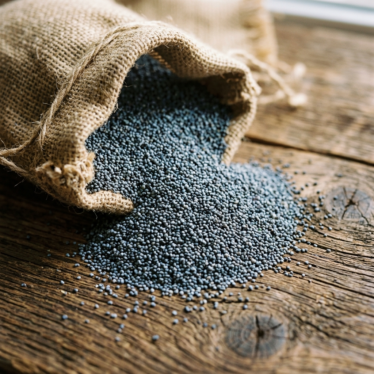
Blue poppy seeds in bulk are a category of food-grade oilseeds harvested from Papaver somniferum, supplied in large-volume packaging for commercial bakeries, food manufacturers, and high-frequency household users. Procurement at scale reduces unit cost, secures supply consistency, and supports recipe standardization across production batches. This guide examines the botanical origin, nutritional composition, culinary applications, sourcing standards, quality grades, storage requirements, and procurement models that define a sound bulk purchase in 2025.
The information below is structured for both human readers and search engines. Each section opens with a definition, expands into categorized detail, and closes with practical selection criteria. Buyers seeking immediate options can review the full inventory at the Primium Poppy Pods shop.
What Are Blue Poppy Seeds
Blue poppy seeds are the mature, dried seeds of the opium poppy plant, Papaver somniferum, distinguished by their slate-blue to gray-black coloration. Despite the species name, the harvested seeds contain negligible alkaloid content and are cultivated specifically for culinary and oil-pressing purposes.
Key botanical and commercial characteristics include:
- Species origin: Derived from Papaver somniferum, the same genus that produces ornamental poppy flowers and dried pods.
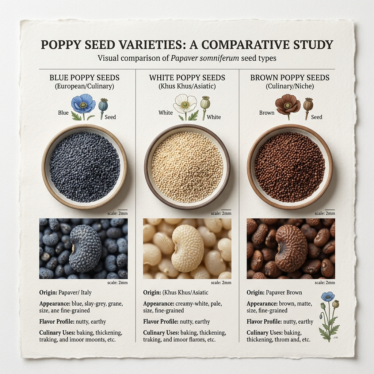
- Color classification: Marketed as “blue” to differentiate them from white (Indian) and brown poppy seed varieties used in other regional cuisines.
- Seed dimensions: Each seed measures approximately 1 millimeter in length, with a kidney-bean shape and a textured, reticulated surface.
- Primary growing regions: Cultivated commercially across the Netherlands, Czech Republic, Turkey, Spain, and Australia under regulated agricultural programs.
The blue variety is the standard reference seed for Central and Eastern European baking traditions, where it is incorporated into strudels, rolls, and festive breads. The seeds are extracted from dried poppy pods after flowering, then cleaned and graded according to processing standards. Country of origin remains a primary sourcing variable, as cultivation region influences color uniformity and residue compliance. For background on the plant and its seed pods, the Primium Poppy Pods homepage provides additional context on poppy cultivation.
Nutritional Profile and Health Benefits
Blue poppy seeds are a nutrient-dense oilseed, supplying dietary fiber, plant-based minerals, and unsaturated fatty acids in a compact serving size. Their nutritional density positions them as a functional ingredient in clean-label and plant-based food formulations.
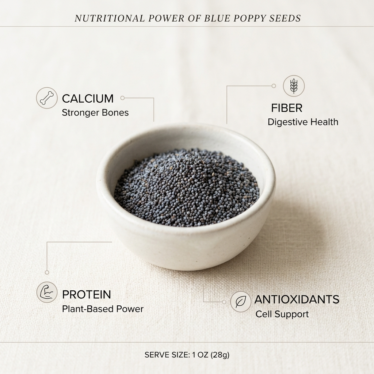
A standard 28-gram (one-ounce) serving contributes the following nutrients, as catalogued by the USDA FoodData Central database:
- Dietary fiber: Approximately 5.8 grams, supporting digestive regularity.
- Calcium: Roughly 411 milligrams, contributing to bone-tissue maintenance.
- Manganese: A significant proportion of the daily reference intake, supporting enzymatic function.
- Magnesium and phosphorus: Minerals associated with bone density and metabolic processes.
- Omega-6 fatty acids: Linoleic acid as the dominant lipid fraction.
- Thiamin, folate, and zinc: Micronutrients supporting energy metabolism and immune function.
Documented health benefits associated with regular poppy seed consumption include:
- Bone health support: Attributed to the calcium, phosphorus, and manganese content.
- Digestive function: Supported by the high insoluble fiber fraction.
- Skin and hair maintenance: Linked to the fatty acid and zinc profile.
- Immune support: Associated with the zinc and trace mineral content.
For dietary safety guidance, the Mayo Clinic nutrition resources confirm that culinary quantities of poppy seed are safe for general consumption, while flagging potential allergen sensitivity in a small population subset. Buyers integrating blue poppy seeds into commercial products should reference allergen-labeling requirements within their jurisdiction.
Culinary Uses of Blue Poppy Seeds
Blue poppy seeds function as both a flavor agent and a textural element across baking, savory cooking, and cold-preparation applications. Their mild, nutty taste intensifies when dry-roasted, and their crunch persists through baking and dressing emulsification.
Baking Applications
Baking represents the highest-volume use case for bulk blue poppy seeds, particularly in European pastry production. These applications constitute the core demand for wholesale poppy seeds for baking across commercial operations.
- Filling preparations: Ground or soaked seeds form the paste base for poppy seed rolls, strudels, and kolaches.
- Surface garnish: Whole seeds applied to bagels, dinner rolls, and braided breads before baking.
- Batter incorporation: Seeds folded into muffin, cake, and quick-bread batters alongside lemon or almond flavoring.
Because the seeds tend to clump, grinding or soaking before incorporation improves dispersion. The Primium Poppy Pods poppy powder offers a pre-milled alternative for high-volume filling production, eliminating the in-house grinding step.
Savory Cooking
Savory applications leverage the seed as a finishing element and a textural contrast in cooked dishes.
- Pasta and noodle dishes: Tossed with butter and seeds in Central European preparations.
- Vegetable coatings: Applied to roasted potatoes, squash, and root vegetables.
- Spice blends: Dry-roasted and ground into regional curry bases and rubs.
Cold Preparations and Salads
Cold applications use the whole seed for visual contrast and a measured crunch.
- Salad dressings: Suspended in vinaigrettes and creamy emulsions, most notably poppy seed dressing.
- Yogurt and grain bowls: Sprinkled as a topping for textural variation.
- Garnish: Used to finish plated dishes and baked goods after cooling.
When sourcing for culinary production, ingredient consistency across batches is the primary selection criterion. Bulk procurement from a single supplier preserves color, flavor, and particle uniformity throughout the production cycle.

What Blue Poppy Seeds Bulk Buying Means
Bulk buying refers to the acquisition of blue poppy seeds in multi-pound or multi-kilogram formats at reduced per-unit pricing, distinct from single-jar retail purchasing. The model serves operations with predictable, repeated demand rather than occasional use.
Defining characteristics of bulk procurement include:
- Volume threshold: Orders typically beginning at several pounds and scaling into multi-kilogram sacks.
- Unit-cost reduction: Lower price per pound achieved through volume discounting.
- Supply continuity: Reduced reorder frequency and protection against stockouts.
- Storage obligation: A requirement for cool, dry, light-controlled holding capacity.
The primary buyers of blue poppy seeds bulk are commercial bakeries, food manufacturers, restaurants, and distributors. For these operations, supply consistency across production batches outweighs the convenience of small-format retail packaging. A single-supplier relationship preserves color, flavor, and particle uniformity throughout the production cycle.
A bulk order decision rests on five variables: grade, origin, certification, storage capacity, and consumption velocity. Misjudgment of any one erodes the cost advantage of volume buying through spoilage or quality inconsistency.
How to Buy Blue Poppy Seeds in Bulk
Buying blue poppy seeds in bulk is the procurement of large-format quantities — typically ranging from several pounds to multi-kilogram sacks — through wholesale or specialty suppliers. The objective is to secure cost efficiency, supply continuity, and quality consistency for repeated production needs.
The bulk purchasing process should follow a structured evaluation:
- Define volume requirements: Calculate monthly or quarterly consumption to determine appropriate order size and reorder frequency.
- Verify supplier credentials: Confirm food-safety certifications, sourcing transparency, and batch traceability.
- Request product specifications: Obtain documentation on grade, washing process, moisture content, and country of origin.
- Evaluate packaging integrity: Confirm resealable or vacuum-sealed packaging to preserve freshness during storage.
- Compare landed cost: Account for shipping, import duties where applicable, and minimum order quantities.
Buyers comparing suppliers should prioritize traceability and certification over headline price. A marginally lower unit cost rarely offsets the operational risk of inconsistent quality or supply interruption. The complete bulk catalog, including poppy seeds and related poppy pods and poppy tea, is available through the Primium Poppy Pods shop.

Common Mistakes to Avoid in Bulk Procurement
Procurement errors in bulk buying typically originate from a misalignment between order size and operational capacity. The following recur most frequently across commercial and household purchasing:
- Over-ordering without storage: Volume that exceeds refrigerated or frozen capacity accelerates rancidity.
- Prioritizing price over certification: Uncertified product introduces residue and labeling risk.
- Ignoring grade requirements: Standard culinary grade fails clean-label or export thresholds.
- Neglecting moisture control: Humidity exposure causes clumping and microbial growth in stored reserves.
A short pre-order checklist covering grade, certification, storage, and consumption velocity prevents the most costly bulk-buying mistakes. Furthermore, a credentialed and traceable supplier protects production continuity more reliably than the lowest available price.
Quality Grades and Certifications
Blue poppy seed quality grades classify the seed according to processing method, cleanliness, and intended end use. Grade selection directly determines suitability for clean-label products, regulatory compliance, and finished-product safety.
The principal commercial grades include:
- EU food-grade: Seeds processed to meet European Union food-safety thresholds, including limits on morphine residue and contaminants. This grade is standard for retail food products distributed within regulated markets.
- Double-washed: Seeds subjected to two cleaning cycles to reduce surface alkaloid residue and particulate matter. Preferred for clean-label and export applications requiring lower residue tolerances.
- Pharma-grade: The highest-purity classification, processed for pharmaceutical and specialized food-manufacturing use under controlled residue specifications.
- Standard culinary grade: Single-washed seeds intended for general baking and cooking where stringent residue limits are not mandated.
Certification benchmarks that support grade claims include:
- Non-irradiated certification: Confirming the seeds were not subjected to ionizing radiation.
- Kosher and Halal certification: Required for distribution into observant consumer markets.
- Organic certification: Verifying cultivation without synthetic pesticides or fertilizers, as referenced by the USDA Organic program.
The appropriate grade is determined by the end application and the regulatory environment of the destination market. Commercial bakeries supplying retail typically require EU food-grade or double-washed product, whereas decorative and craft applications may accept standard culinary grade. Buyers requiring organic product should request current certification documentation with every bulk order.
Storage and Shelf Life
Proper storage of bulk blue poppy seeds preserves flavor, prevents rancidity, and maintains food-safety integrity over the product lifecycle. Because of their high oil content, poppy seeds are susceptible to oxidative deterioration when stored improperly.
Recommended storage protocols include:
- Temperature control: Store in a cool environment below 21 degrees Celsius (70 degrees Fahrenheit). Refrigeration extends shelf life for high-volume reserves.
- Light exclusion: Keep seeds in opaque or shaded containers to limit light-induced lipid oxidation.
- Moisture management: Maintain low humidity to prevent clumping and microbial growth; airtight containers are essential.
- Container selection: Use food-grade, resealable, or vacuum-sealed packaging for both bulk reserves and working quantities.
- Portioning: Divide multi-kilogram reserves into smaller airtight units to minimize repeated air exposure.
Expected shelf-life parameters under correct storage conditions:
- Pantry storage: Approximately 6 months at stable room temperature.
- Refrigerated storage: Up to 12 months with reduced oxidation risk.
- Frozen storage: Beyond 12 months, with negligible quality degradation when sealed against moisture.
Rancidity is detectable by a bitter or paint-like aroma; seeds exhibiting these characteristics should be discarded. For operations purchasing multi-kilogram volumes, portioning into smaller airtight units minimizes repeated exposure of the full reserve to air and humidity, and remains the single most effective preservation practice.
Wholesale vs Retail Buying
Wholesale and retail purchasing represent two distinct procurement models for blue poppy seeds, differentiated by volume, unit pricing, and intended use. Selecting the correct model depends on consumption rate, storage capacity, and budget structure.
Wholesale buying is defined by large-volume orders at reduced per-unit pricing, typically supplied in multi-pound or multi-kilogram formats.
- Cost advantage: Lowest unit price through volume discounting.
- Supply continuity: Reduced reorder frequency and protection against stockouts.
- Typical buyers: Commercial bakeries, food manufacturers, restaurants, and distributors.
- Consideration: Requires adequate storage capacity and inventory turnover to prevent product aging.
Retail buying is defined by smaller, packaged quantities at higher per-unit pricing, intended for individual or low-frequency use.
- Flexibility advantage: Minimal storage commitment and low upfront cost.
- Freshness control: Smaller quantities consumed before quality degradation.
- Typical buyers: Home bakers, hobbyists, and low-volume kitchens.
- Consideration: Higher cumulative cost for sustained or high-frequency use.
The selection criterion reduces to a calculation of consumption velocity against storage and cash-flow constraints. High-frequency users achieve material savings through wholesale procurement, while occasional users avoid waste through retail purchasing. Tiered pricing across both models is available through the Primium Poppy Pods shop.
Frequently Asked Questions
The following question-and-answer blocks are formatted for FAQ schema markup and AI-engine extraction.
Product Fundamentals
What are blue poppy seeds?
Blue poppy seeds are the mature, dried seeds of Papaver somniferum, distinguished by their slate-blue to gray-black coloration and negligible alkaloid content. They are cultivated for culinary and oil-pressing purposes, measuring approximately 1 millimeter in length with a reticulated surface. The “blue” designation differentiates them from white and brown poppy seed varieties used in other regional cuisines, and the variety is the standard reference seed for Central and Eastern European baking.
Where do blue poppy seeds come from?
Blue poppy seeds are harvested commercially from regulated Papaver somniferum crops grown primarily in the Netherlands, Czech Republic, Turkey, Spain, and Australia. The seeds are extracted from dried poppy pods after flowering, then cleaned and graded according to processing standards. Country of origin is a primary sourcing variable, so buyers should request documented origin on every bulk order to verify traceability.
Purchasing
Is it cheaper to buy blue poppy seeds in bulk?
Yes. Buying blue poppy seeds in bulk lowers the per-unit cost through volume discounting and reduces reorder frequency. The model is most cost-effective for commercial bakeries, food manufacturers, and high-frequency users with adequate cool, dry storage capacity. The cost advantage erodes only when order size exceeds storage capability and product ages before use.
What is the difference between wholesale and retail buying?
Wholesale buying involves large-volume orders in multi-pound or multi-kilogram formats at reduced per-unit pricing, while retail buying covers smaller packaged quantities at higher per-unit cost. Wholesale suits commercial bakeries, food manufacturers, and distributors requiring supply continuity, while retail suits home bakers and low-frequency kitchens prioritizing freshness. The correct model is determined by consumption velocity measured against storage and cash-flow constraints.
Where can blue poppy seeds be bought in bulk?
Blue poppy seeds can be bought in bulk from certified specialty suppliers that provide grade documentation, batch traceability, and resealable packaging. Commercial buyers should prioritize suppliers offering EU food-grade or double-washed product with verifiable certification over the lowest headline price. A single-supplier relationship also consolidates related products such as poppy pods and poppy tea.
Health and Safety
What are the health benefits of blue poppy seeds?
Blue poppy seeds supply dietary fiber, calcium, manganese, magnesium, phosphorus, and omega-6 fatty acids in a nutrient-dense serving. Documented benefits include bone-health support attributed to calcium and manganese, digestive function supported by the insoluble fiber fraction, and skin maintenance linked to the fatty acid and zinc profile. A 28-gram serving contributes approximately 5.8 grams of fiber and 411 milligrams of calcium.
Are blue poppy seeds safe to eat?
Yes. Blue poppy seeds are safe to eat in culinary quantities and contain negligible alkaloid content. A small population subset may experience allergen sensitivity, and large medicinal quantities should be avoided without professional guidance. Buyers integrating the seed into commercial products must reference allergen-labeling requirements within their jurisdiction.
Culinary Applications
What are blue poppy seeds used for in baking?
Blue poppy seeds are used in baking as filling paste, surface garnish, and batter additions, representing the highest-volume application for bulk quantities. Ground or soaked seeds form the paste base for poppy seed rolls, strudels, and kolaches, while whole seeds garnish bagels, dinner rolls, and braided breads. Because the seeds clump, grinding or soaking before incorporation improves dispersion.
Can blue poppy seeds be used in savory and cold dishes?
Yes. Blue poppy seeds function as a finishing element and textural contrast across savory cooking and cold preparations. Savory applications include pasta and noodle dishes, vegetable coatings, and dry-roasted spice blends, while cold applications include salad dressings, yogurt bowls, and plated garnishes. Their mild, nutty flavor intensifies when dry-roasted and their crunch persists through emulsification.
Quality and Certification
What is the difference between EU food-grade and double-washed poppy seeds?
EU food-grade seeds meet European Union food-safety thresholds for alkaloid residue and contaminants, serving as the standard for retail food products in regulated markets. Double-washed seeds undergo two cleaning cycles to further reduce surface residue and particulate matter, making them preferred for clean-label and export applications. Grade selection should match the regulatory environment of the destination market.
Are organic blue poppy seeds available?
Yes. Organic blue poppy seeds are cultivated without synthetic pesticides or fertilizers and verified under recognized organic certification programs. Organic status is one of several certification benchmarks alongside non-irradiated, Kosher, and Halal designations that support grade claims. Buyers requiring organic product should request current certification documentation with every bulk order.
Storage and Shelf Life
How long do bulk blue poppy seeds last?
Bulk blue poppy seeds last approximately 6 months in pantry storage, up to 12 months refrigerated, and beyond 12 months frozen in airtight packaging. Their high oil content makes them susceptible to oxidative deterioration, so cool, dark, dry storage below 21 degrees Celsius is essential to prevent rancidity. Portioning large reserves into smaller airtight units minimizes repeated air exposure and preserves quality.
How should bulk poppy seeds be stored to prevent rancidity?
Bulk poppy seeds should be stored in airtight, opaque containers held in a cool, low-humidity environment below 21 degrees Celsius. Refrigeration extends shelf life for high-volume reserves, while freezing preserves quality beyond 12 months when sealed against moisture. Light exclusion limits lipid oxidation, and for multi-kilogram quantities, dividing the reserve into working portions is the single most effective preservation practice.
Summary and Where to Buy Blue Poppy Seeds Bulk
This guide has addressed the full scope of bulk blue poppy seed procurement: the botanical origin of Papaver somniferum seeds, their nutritional density and documented health benefits, their culinary applications across baking, savory cooking, and cold preparations, the definition of bulk buying, the structured purchasing process, the procurement mistakes that erode cost savings, the principal quality grades from standard culinary to pharma-grade, the storage protocols that preserve shelf life, and the distinction between wholesale and retail buying models. Each section was designed to function as a standalone reference point for buyers at any stage of the sourcing decision.
Primium Poppy Pods supplies certified, traceable blue poppy seeds and related poppy products in both wholesale and retail formats, with tiered pricing structured for commercial bakeries, food manufacturers, and individual buyers. Product documentation, grade specifications, and volume options are available across the full catalog.
Review the complete inventory and place a bulk order at primiumpoppypods.com/shop/.
{
  "@context": "https://schema.org",
  "@type": "FAQPage",
  "mainEntity": [
    {
      "@type": "Question",
      "name": "What are blue poppy seeds?",
      "acceptedAnswer": {
        "@type": "Answer",
        "text": "Blue poppy seeds are the mature, dried seeds of Papaver somniferum, distinguished by their slate-blue to gray-black coloration and negligible alkaloid content. They are cultivated for culinary and oil-pressing purposes, measuring approximately 1 millimeter in length with a reticulated surface. The blue designation differentiates them from white and brown poppy seed varieties, and the variety is the standard reference seed for Central and Eastern European baking."
      }
    },
    {
      "@type": "Question",
      "name": "Where do blue poppy seeds come from?",
      "acceptedAnswer": {
        "@type": "Answer",
        "text": "Blue poppy seeds are harvested commercially from regulated Papaver somniferum crops grown primarily in the Netherlands, Czech Republic, Turkey, Spain, and Australia. The seeds are extracted from dried poppy pods after flowering, then cleaned and graded according to processing standards. Country of origin is a primary sourcing variable, so buyers should request documented origin on every bulk order to verify traceability."
      }
    },
    {
      "@type": "Question",
      "name": "Is it cheaper to buy blue poppy seeds in bulk?",
      "acceptedAnswer": {
        "@type": "Answer",
        "text": "Yes. Buying blue poppy seeds in bulk lowers the per-unit cost through volume discounting and reduces reorder frequency. The model is most cost-effective for commercial bakeries, food manufacturers, and high-frequency users with adequate cool, dry storage capacity. The cost advantage erodes only when order size exceeds storage capability and product ages before use."
      }
    },
    {
      "@type": "Question",
      "name": "What is the difference between wholesale and retail buying?",
      "acceptedAnswer": {
        "@type": "Answer",
        "text": "Wholesale buying involves large-volume orders in multi-pound or multi-kilogram formats at reduced per-unit pricing, while retail buying covers smaller packaged quantities at higher per-unit cost. Wholesale suits commercial bakeries, food manufacturers, and distributors requiring supply continuity, while retail suits home bakers and low-frequency kitchens prioritizing freshness. The correct model is determined by consumption velocity measured against storage and cash-flow constraints."
      }
    },
    {
      "@type": "Question",
      "name": "Where can blue poppy seeds be bought in bulk?",
      "acceptedAnswer": {
        "@type": "Answer",
        "text": "Blue poppy seeds can be bought in bulk from certified specialty suppliers that provide grade documentation, batch traceability, and resealable packaging. Commercial buyers should prioritize suppliers offering EU food-grade or double-washed product with verifiable certification over the lowest headline price. A single-supplier relationship also consolidates related products such as poppy pods and poppy tea."
      }
    },
    {
      "@type": "Question",
      "name": "What are the health benefits of blue poppy seeds?",
      "acceptedAnswer": {
        "@type": "Answer",
        "text": "Blue poppy seeds supply dietary fiber, calcium, manganese, magnesium, phosphorus, and omega-6 fatty acids in a nutrient-dense serving. Documented benefits include bone-health support attributed to calcium and manganese, digestive function supported by the insoluble fiber fraction, and skin maintenance linked to the fatty acid and zinc profile. A 28-gram serving contributes approximately
