
- Your cart is empty
- Continue shopping
-
sales@primiumpoppypods.com
- Posted on
- Categories:Uncategorized
- 0 comments
Blue Poppy Seeds Online
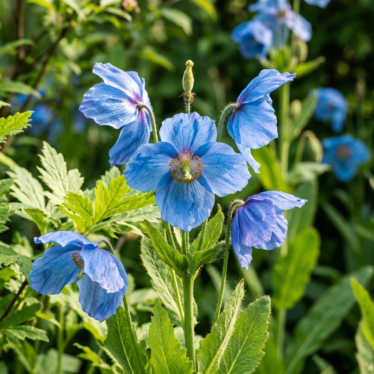
The Himalayan blue poppy is one of nature’s rarest treasures. Its soft, sky-blue petals shimmer in shaded gardens, looking almost too vivid to be real. For years, these flowers were nearly impossible to find outside specialist nurseries. Now you can buy blue poppy seeds online and grow this stunning bloom right at home.
This complete guide walks you through everything you need to know. You’ll learn what blue poppy seeds are, why buying them online makes sense, how to spot quality stock, and how to grow them step by step. We’ll also cover seasonal timing, organic and heirloom varieties, their uses, and where to find premium seeds you can trust.
What Are Blue Poppy Seeds?
Blue poppy seeds come from the Meconopsis genus, a group of flowering plants native to the high mountains of the Himalayas. The most famous species is Meconopsis betonicifolia, often called the Himalayan blue poppy. You can read more about the genus on Wikipedia’s Meconopsis page.
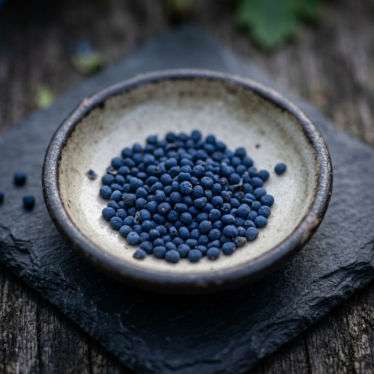
These seeds are tiny, lightweight, and dark in color. A single seed pod can hold hundreds of them, which makes the plant excellent for propagation. Each seed carries the potential to grow into one of the most admired flowers in the gardening world.
What sets blue poppies apart is their color. True blue is rare among flowers. Most “blue” blooms lean toward purple or violet. The Himalayan blue poppy delivers a clear, almost ethereal azure that stands out from common red, orange, or yellow poppies.
It’s worth knowing the difference between flower seeds and culinary poppy seeds. The blue poppy seeds used in baking come from Papaver somniferum and have a slate-blue tint. The ornamental Himalayan blue poppy is a different plant grown purely for its breathtaking flowers. This guide focuses on both, since gardeners and cooks often search for them together.
Why Buy Blue Poppy Seeds Online?
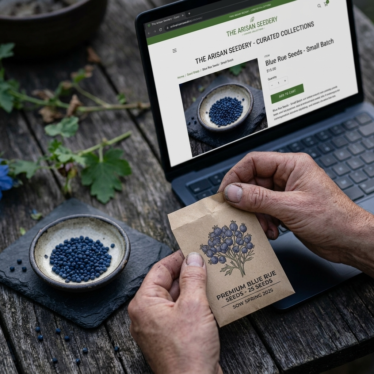
Finding rare flower seeds used to mean long drives to specialist garden centers. Often, you’d leave empty-handed. Local garden centers rarely stock Meconopsis seeds, and when they do, the selection is thin and the freshness is a gamble. Buying blue poppy seeds online removes that frustration completely. You get access to premium seeds without ever leaving your home.
Here’s what draws so many gardeners to online buying:
- Convenience. Browse a full range of varieties from your couch. Compare options, read descriptions, and order in minutes.
- Access to rare species. Online sellers stock species and hybrids you’d rarely find locally, including Meconopsis baileyi and heirloom strains.
- Better value. Seeds cost a fraction of what mature plants do. You can grow dozens of flowers for the price of one nursery pot.
- Fresh, quality stock. Trusted suppliers harvest and store seeds carefully, which boosts your germination success.
- Expert support. Specialist suppliers share growing guides and answer questions, which matters with a plant this particular.
- Global reach. Even if blue poppies aren’t native to your region, fresh seeds arrive at your door ready to plant.
When you buy blue poppy seeds from a specialist, you also gain that expert backing. Good suppliers stand behind their seed quality, which matters when you’re growing a plant known for being a little tricky.
Want to explore the full story behind this flower? Our dedicated guide on blue poppy seeds online covers the history and allure of this remarkable bloom in more depth.
How to Identify Quality Blue Poppy Seeds
This is the part most buyers skip, and it’s where things go wrong. The single biggest reason blue poppies fail to sprout is poor seed quality. Before you click “buy,” learn how to tell good stock from bad.
Check the Species Name
Quality sellers always name the species. Look for Meconopsis betonicifolia or Meconopsis baileyi on the listing. Vague labels like “blue poppy mix” are a warning sign. You can confirm what you’re reading against the Wikipedia Meconopsis page, which covers the genus and its key species.
Look at Freshness
Blue poppy seeds lose their ability to germinate as they age. Fresh seeds, harvested recently, give you far better results. A trustworthy seller lists a harvest date or guarantees freshness. If that information is missing, ask before you buy.
Confirm the Source
Where the seeds were grown tells you a lot. Reputable suppliers harvest from healthy parent plants and store seeds carefully in cool, dry conditions. Poor storage ruins viability long before the seeds reach you.
Read the Reviews
Other gardeners will tell you the truth. Look for reviews that mention germination success, not just fast shipping. Consistent positive feedback about sprouting is the strongest signal of quality.
When you buy from a specialist supplier, these boxes are already checked for you. You get clear labeling, fresh stock, and the backing of growers who know the plant. That’s the difference between a packet of hope and a packet you can rely on.
Blue Poppy Seeds for Planting: Know Your Species
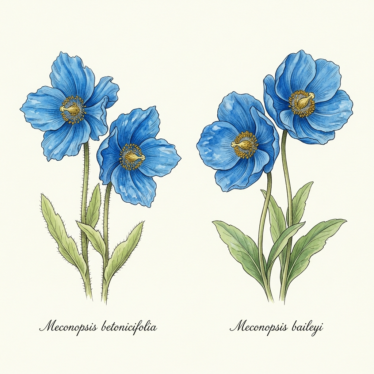
If you’re ready to grow your own, blue poppy seeds for planting open the door to a truly magical garden display. The two species worth knowing are Meconopsis betonicifolia and Meconopsis baileyi. Both produce the classic sky-blue blooms gardeners love.
Meconopsis betonicifolia
This is the classic Himalayan blue poppy. It grows tall, often reaching three to four feet, and carries several flowers per stem. The petals form a delicate, cup-like shape that catches the light beautifully.
Meconopsis baileyi
Closely related and sometimes confused with betonicifolia, this species is just as stunning. It tends to be a reliable perennial in the right conditions and is a favorite among seasoned growers.
When you choose seeds for planting, always pick fresh, high-quality stock with clear species labeling. Fresh seeds germinate far better than old ones, so freshness is your biggest ally. Our detailed blue poppy seeds for planting guide walks through sowing and care in even more depth.
Seasonal Buying Tips: When to Buy and Plant
Timing your purchase well sets you up for success. Blue poppies follow the rhythm of their native Himalayan home, and your buying calendar should match it.
Buy in Late Summer or Early Fall
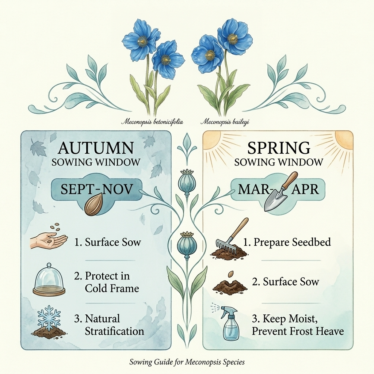
The best time to buy blue poppy seeds is late summer through early autumn. This gives you time to prepare for fall sowing or to cold-stratify seeds over winter for a spring start. Fresh seeds from the current harvest are usually available during this window, so freshness is at its peak.
Plant in Fall or Early Spring
Blue poppies do best when sown in the fall or early spring. A cold period is essential to break the seeds’ natural dormancy. If you buy in late summer, you can sow directly in fall and let winter do the cold work for you.
Stratify for Spring Planting
If you prefer a spring start, store your seeds properly and stratify them in the refrigerator three to four weeks before sowing. Buying early and stratifying yourself gives you full control over timing.
Watch for Off-Season Stock
Be careful buying in the dead of winter or high summer. Seeds sold out of season may be older stock from a previous harvest. Always check the harvest date before you commit during these periods.
Growing Guide: Soil, Stratification, Germination & Care
Growing blue poppies is a rewarding challenge. These flowers reward patience with a display that feels like a piece of the Himalayas in your own backyard. Follow these steps for the best results.
Step 1: Cold Stratification
Blue poppy seeds need a cold period before they will sprout. This mimics the harsh mountain winters of their native home. Place your seeds in the refrigerator for three to four weeks before sowing. This process, called stratification, breaks the seeds’ natural dormancy. Skipping this step is the most common reason seeds fail to sprout.
Step 2: Prepare the Right Soil
Soil makes or breaks your success. Blue poppies thrive in moist, well-drained soil with a neutral to slightly acidic pH. If your soil is heavy or clay-like, mix in plenty of organic matter to improve its texture. Good drainage prevents the roots from rotting.
For deeper guidance on the plant’s preferred conditions, the Royal Horticultural Society (RHS) offers trusted, research-backed advice on Meconopsis care.
Step 3: Sow the Seeds
Fill seed trays with a fine, well-draining compost mix. Scatter the tiny seeds across the surface and press them down gently. Do not cover them with soil. Blue poppy seeds need light to germinate, so they must stay on top.
Step 4: Encourage Germination
Keep the compost consistently moist but never soggy. The ideal germination temperature is cool, around 55°F (13°C). Be patient here. Germination can take several weeks, and sometimes longer. A cool, bright spot out of direct sun works best.
Step 5: Transplant Seedlings
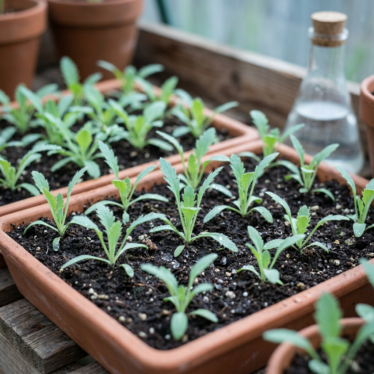
Once seedlings appear and grow large enough to handle, move them into individual pots. Handle them gently, as young plants are delicate. After the last frost has passed, transplant them outdoors into a spot with partial shade and rich, moist soil.
Step 6: Ongoing Care
Blue poppies need steady moisture, especially during the growing season. Add organic mulch around the base to keep the soil damp and the roots cool. Remove faded flowers to encourage stronger growth and more blooms over time. Protect the plants from harsh afternoon sun and dry conditions.
| Growing Factor | Ideal Condition |
|---|---|
| Soil | Moist, well-drained, slightly acidic |
| Light | Partial shade |
| Temperature | Cool (around 55°F / 13°C) |
| Stratification | 3–4 weeks cold treatment |
| Sowing depth | Surface (light required) |
| Watering | Consistent moisture, never waterlogged |
Organic & Non-GMO Blue Poppy Seeds
Many gardeners want their plants free from synthetic chemicals. Organic blue poppy seeds are grown without artificial pesticides or fertilizers. This approach supports healthier soil and a cleaner garden.
Non-GMO seeds are equally important to growers who value natural genetics. These seeds have not been altered in a lab. They grow into plants that match their natural parent stock, season after season.
When you choose organic and non-GMO blue poppy seeds, you get a few clear benefits:
- Cleaner growing. No synthetic residues in your soil or on your plants.
- True-to-type plants. Natural genetics mean predictable, reliable blooms.
- Eco-friendly gardening. You support sustainable farming practices.
Always check that your supplier clearly labels seeds as organic or non-GMO. Trustworthy sellers are transparent about how their seeds are grown and harvested.
Heirloom Blue Poppy Pod Seeds
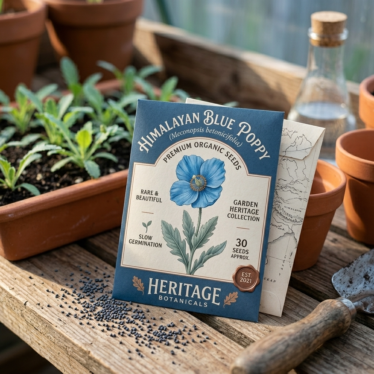
Heirloom blue poppy seeds carry a special kind of value. Heirloom varieties have been passed down through generations of gardeners. They are open-pollinated, which means they breed true and keep their traits over time.
Choosing heirloom seeds connects you to a long gardening tradition. You grow the same flowers that delighted gardeners decades ago. Many people prize these varieties for their authentic character and proven resilience.
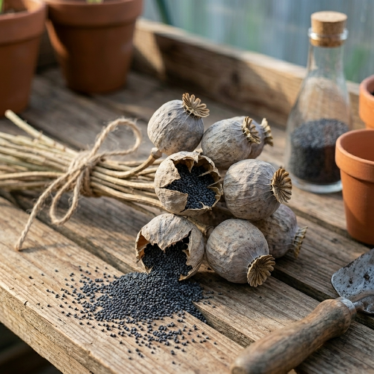
Blue poppy pod seeds also appeal to crafters and collectors. The pods themselves are striking once dried. After the flowers fade, the seed pods can be harvested for the next planting season or saved for decorative use. If you want to explore the pods themselves, browse our selection of poppy pods for fresh and dried options.
Saving heirloom seeds each year is simple and satisfying. Let a few pods dry fully on the plant, then collect the seeds and store them in a cool, dry place. This way, your garden keeps giving year after year at no extra cost.
Health & Decorative Uses
Blue poppy seeds offer more than beauty. Both the ornamental and culinary types bring value to your home and table.
Decorative Uses
Dried poppy pods are a favorite in floral arrangements and craft projects. Their unique shape adds a natural, sculptural touch to wreaths, bouquets, and centerpieces. Many artists use them to bring texture and character to their work. Fresh and dried pods both hold their form well, making them a long-lasting decorative choice.
Nutritional and Wellness Context
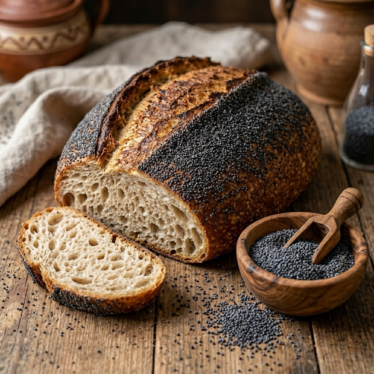
Culinary poppy seeds are well known in kitchens worldwide. They are rich in fiber, omega-6 fatty acids, calcium, magnesium, manganese, phosphorus, thiamin, folate, and zinc. People in Central and Eastern Europe sprinkle them on cakes, breads, bagels, and pastries.
Because the seeds are small and tend to stick together, cooks often dry-roast or grind them before use. This brings out their nutty flavor and makes them easier to handle.
A quick safety note: foods containing up to about 50 grams of poppy seed are generally considered safe to eat. Very large amounts may cause digestive issues, and some people may have an allergy. Always use culinary seeds in normal food amounts and consult a health professional if you have concerns.
Where to Buy Blue Poppy Seeds Online
Quality matters most when you shop for rare seeds. Poor stock leads to poor germination and wasted effort. Choosing premium blue poppy seeds from a trusted supplier sets you up for success from day one.
Here’s what to look for in a seller:
- Freshness guarantee. Fresh seeds germinate far better than old stock.
- Clear species labeling. Know exactly what you’re planting.
- Organic and non-GMO options. For cleaner, more natural growing.
- Expert support. Helpful growing guides and responsive customer service.
- Trusted reputation. Positive reviews and transparent practices.
At primiumpoppypods.com, you’ll find premium blue poppy seeds, fresh and dried pods, and a full range of poppy products. Every order is backed by careful sourcing and a commitment to quality. You don’t have to hunt through unreliable sellers or settle for old stock. We handle the sourcing so you can focus on growing.
Whether you want to plant a rare garden showpiece, save heirloom seeds, or craft with dried pods, the right seeds are just a click away.
Frequently Asked Questions
The schema block below is ready to paste into your page’s HTML. Readable Q&A sections follow, grouped by topic.
JSON-LD FAQ Schema Markup
<script type="application/ld+json">
{
  "@context": "https://schema.org",
  "@type": "FAQPage",
  "mainEntity": [
    {
      "@type": "Question",
      "name": "Where can I buy blue poppy seeds online?",
      "acceptedAnswer": {
        "@type": "Answer",
        "text": "You can buy premium blue poppy seeds online at primiumpoppypods.com. Choose a supplier that names the exact species, lists harvest dates, and offers organic or heirloom options. Clear labeling and strong germination reviews are the best signs of quality. Buying from a specialist gives you fresh stock and expert growing support."
      }
    },
    {
      "@type": "Question",
      "name": "What are blue poppy seeds?",
      "acceptedAnswer": {
        "@type": "Answer",
        "text": "Blue poppy seeds come from the Meconopsis genus, native to the high Himalayas. The most famous species is Meconopsis betonicifolia, the Himalayan blue poppy, known for its rare sky-blue petals. The seeds are tiny, dark, and lightweight, with hundreds packed into a single pod. They are grown for one of the truest blue flowers in the gardening world."
      }
    },
    {
      "@type": "Question",
      "name": "How do I grow Meconopsis betonicifolia from seed?",
      "acceptedAnswer": {
        "@type": "Answer",
        "text": "Grow Meconopsis betonicifolia by cold-stratifying the seeds for three to four weeks, then sowing them on the surface of fine, well-drained compost. The seeds need light, so do not cover them. Keep the soil moist and cool, around 55°F (13°C), and be patient as germination can take several weeks. Transplant seedlings into partial shade with rich, moist soil after the last frost."
      }
    },
    {
      "@type": "Question",
      "name": "Do blue poppy seeds need cold stratification?",
      "acceptedAnswer": {
        "@type": "Answer",
        "text": "Yes, blue poppy seeds need cold stratification to germinate well. Place the seeds in the refrigerator for three to four weeks before sowing. This mimics the harsh mountain winter the plant needs to break dormancy. Skipping this step is the most common reason seeds fail to sprout."
      }
    },
    {
      "@type": "Question",
      "name": "How long do blue poppy seeds take to germinate?",
      "acceptedAnswer": {
        "@type": "Answer",
        "text": "Blue poppy seeds usually take several weeks to germinate, and sometimes longer. Keep the soil consistently moist but never soggy throughout this period. A cool temperature of around 55°F (13°C) and a bright spot out of direct sun give the best results. Patience is essential with this rare flower."
      }
    },
    {
      "@type": "Question",
      "name": "What is the difference between Meconopsis betonicifolia and Meconopsis baileyi?",
      "acceptedAnswer": {
        "@type": "Answer",
        "text": "Both species produce the classic sky-blue blooms blue poppies are famous for. Meconopsis betonicifolia is the classic Himalayan blue poppy that grows tall with several flowers per stem. Meconopsis baileyi is closely related and tends to be a more reliable perennial. The two are often confused because they look so similar."
      }
    },
    {
      "@type": "Question",
      "name": "Can I buy organic and non-GMO blue poppy seeds online?",
      "acceptedAnswer": {
        "@type": "Answer",
        "text": "Yes, trusted suppliers offer organic and non-GMO blue poppy seeds online. Organic seeds are grown without synthetic pesticides or fertilizers, supporting a cleaner garden. Non-GMO seeds keep their natural genetics and breed true to type. Always check the labeling to confirm both claims before you buy."
      }
    },
    {
      "@type": "Question",
      "name": "What are heirloom blue poppy seeds?",
      "acceptedAnswer": {
        "@type": "Answer",
        "text": "Heirloom blue poppy seeds come from open-pollinated varieties passed down through generations of gardeners. They breed true, so you can save the seeds each year and grow the same flowers again. Gardeners prize them for their authentic character and proven resilience. They also connect you to a long gardening tradition."
      }
    },
    {
      "@type": "Question",
      "name": "When is the best time to buy and plant blue poppy seeds?",
      "acceptedAnswer": {
        "@type": "Answer",
        "text": "The best time to buy blue poppy seeds is late summer through early fall, when fresh, current-harvest stock is available. Sow them in fall or early spring, since the seeds need a cold period to break dormancy. If you buy in late summer, you can sow in fall and let winter provide the cold treatment. For a spring start, stratify the seeds in the refrigerator first."
      }
    },
    {
      "@type": "Question",
      "name": "What are blue poppy pods used for?",
      "acceptedAnswer": {
        "@type": "Answer",
        "text": "Blue poppy pods are popular for decorative crafts and seed saving. Once dried, their sculptural shape adds a natural touch to wreaths, bouquets, and centerpieces. You can also harvest the pods to collect seeds for next season. Both fresh and dried pods hold their form well, making them a long-lasting choice."
      }
    },
    {
      "@type": "Question",
      "name": "Are blue poppy seeds hard to grow?",
      "acceptedAnswer": {
        "@type": "Answer",
        "text": "Blue poppies take patience but are manageable with the right conditions. They need cold stratification, cool temperatures, moist soil, and partial shade. The biggest challenge is freshness, so start with quality seeds and follow each step carefully. Most gardeners can grow them successfully with steady care."
      }
    },
    {
      "@type": "Question",
      "name": "Are poppy seeds safe to eat?",
      "acceptedAnswer": {
        "@type": "Answer",
        "text": "Culinary poppy seeds are generally safe to eat in normal food amounts, up to about 50 grams per serving. They are rich in fiber, omega-6 fatty acids, calcium, magnesium, and zinc. Very large amounts may cause digestive issues, and some people may have an allergy. Use ornamental Himalayan blue poppy seeds for planting, not for eating, and consult a health professional if you have concerns."
      }
    }
  ]
}
</script>
Buying Blue Poppy Seeds
Where can I buy blue poppy seeds online?
You can buy premium blue poppy seeds online at primiumpoppypods.com. Choose a supplier that names the exact species, lists harvest dates, and offers organic or heirloom options. Clear labeling and strong germination reviews are the best signs of quality. Buying from a specialist gives you fresh stock and expert growing support.
When is the best time to buy and plant blue poppy seeds?
The best time to buy blue poppy seeds is late summer through early fall, when fresh, current-harvest stock is available. Sow them in fall or early spring, since the seeds need a cold period to break dormancy. If you buy in late summer, you can sow in fall and let winter provide the cold treatment. For a spring start, stratify the seeds in the refrigerator first.
Can I buy organic and non-GMO blue poppy seeds online?
Yes, trusted suppliers offer organic and non-GMO blue poppy seeds online. Organic seeds are grown without synthetic pesticides or fertilizers, supporting a cleaner garden. Non-GMO seeds keep their natural genetics and breed true to type. Always check the labeling to confirm both claims before you buy.
Understanding Blue Poppy Seeds
What are blue poppy seeds?
Blue poppy seeds come from the Meconopsis genus, native to the high Himalayas. The most famous species is Meconopsis betonicifolia, the Himalayan blue poppy, known for its rare sky-blue petals. The seeds are tiny, dark, and lightweight, with hundreds packed into a single pod. They are grown for one of the truest blue flowers in the gardening world.
What is the difference between Meconopsis betonicifolia and Meconopsis baileyi?
Both species produce the classic sky-blue blooms blue poppies are famous for. Meconopsis betonicifolia is the classic Himalayan blue poppy that grows tall with several flowers per stem. Meconopsis baileyi is closely related and tends to be a more reliable perennial. The two are often confused because they look so similar.
What are heirloom blue poppy seeds?
Heirloom blue poppy seeds come from open-pollinated varieties passed down through generations of gardeners. They breed true, so you can save the seeds each year and grow the same flowers again. Gardeners prize them for their authentic character and proven resilience. They also connect you to a long gardening tradition.
Growing and Germination
How do I grow Meconopsis betonicifolia from seed?
Grow Meconopsis betonicifolia by cold-stratifying the seeds for three to four weeks, then sowing them on the surface of fine, well-drained compost. The seeds need light, so do not cover them. Keep the soil moist and cool, around 55°F (13°C), and be patient as germination can take several weeks. Transplant seedlings into partial shade with rich, moist soil after the last frost.
Do blue poppy seeds need cold stratification?
Yes, blue poppy seeds need cold stratification to germinate well. Place the seeds in the refrigerator for three to four weeks before sowing. This mimics the harsh mountain winter the plant needs to break dormancy. Skipping this step is the most common reason seeds fail to sprout.
How long do blue poppy seeds take to germinate?
Blue poppy seeds usually take several weeks to germinate, and sometimes longer. Keep the soil consistently moist but never soggy throughout this period. A cool temperature of around 55°F (13°C) and a bright spot out of direct sun give the best results. Patience is essential with this rare flower.
Are blue poppy seeds hard to grow?
Blue poppies take patience but are manageable with the right conditions. They need cold stratification, cool temperatures, moist soil, and partial shade. The biggest challenge is freshness, so start with quality seeds and follow each step carefully. Most gardeners can grow them successfully with steady care.
Uses and Safety
What are blue poppy pods used for?
Blue poppy pods are popular for decorative crafts and seed saving. Once dried, their sculptural shape adds a natural touch to wreaths, bouquets, and centerpieces. You can also harvest the pods to collect seeds for next season. Both fresh and dried pods
