
- Your cart is empty
- Continue shopping
-
sales@primiumpoppypods.com
- Posted on
- Categories:Uncategorized
- 0 comments
The Ultimate Guide to Buying Mixed Poppy Flowers
Vibrant, delicate, and historically rich, poppy flowers bring an unmatched elegance to any garden or floral arrangement. If you want to transform your landscape or elevate your botanical collection, you might be looking to buy mixed poppy flowers. These stunning blooms offer a kaleidoscope of colors, ranging from deep crimsons to soft pastels, creating a breathtaking visual display.
This comprehensive guide will help you understand the nuances of purchasing, planting, and caring for mixed poppy varieties. You will learn what makes premium pods stand out, how to cultivate them successfully, and where to find the best quality botanical products for your needs.
Why Choose Mixed Poppy Flowers?
Poppies belong to the Papaveraceae family and have captivated botanists and gardeners for centuries. Choosing a mixed variety gives you the best of multiple worlds. Instead of a monochromatic flower bed, mixed poppies deliver a dynamic, textured look that shifts as different varieties bloom.
- Visual Diversity: Mixed packets often include ruffled, fringed, and smooth-petaled varieties.
- Pollinator Attraction: Bright, open-faced poppy flowers attract bees, butterflies, and other essential pollinators to your garden.
- Versatility: Whether you want fresh blooms for a summer garden or dried pods for autumn crafts, mixed poppies serve multiple purposes.

Exploring Popular Mixed Poppy Varieties
When you buy mixed poppy flowers, you are likely getting a blend of several distinct species. Understanding these varieties helps you plan your garden and set realistic expectations for your blooms.
Papaver Rhoeas (Corn Poppy)
Also known as the Flanders poppy, this is the classic red wildflower. Mixed blends often include cultivated variations of the corn poppy, featuring soft pinks, pure whites, and even bi-colors. They are hardy, easy to grow, and reseed themselves generously.
Papaver Somniferum (Florist’s Poppy)
Renowned for their large, striking blooms and substantial seed pods, these are highly sought after by floral designers. The pods are structurally beautiful, making them perfect for dried arrangements. If you are specifically interested in the architectural beauty of the dried plant, you can find high-quality options at Premium Poppy Pods.
Papaver Orientale (Oriental Poppy)
Oriental poppies produce massive, crepe-paper-like flowers. While their blooming period is relatively short, their dramatic appearance makes them a focal point in any perennial border.
How to Buy High-Quality Mixed Poppy Seeds and Pods
Not all poppy products are created equal. Whether you are purchasing seeds to sow or dried pods for decoration, quality matters.
Sourcing Your Botanicals
Always purchase from reputable, specialized vendors. A dedicated botanical supplier ensures that the seeds are viable and the pods are harvested at the peak of their structural integrity. When you buy from a trusted source, you avoid issues like low germination rates or brittle, crushed pods. For those looking for top-tier dried specimens, exploring the selection at Premium Poppy Pods guarantees you receive carefully cured, high-grade botanical products.
Checking for Quality Indicators
When buying dried mixed poppy pods, look for:
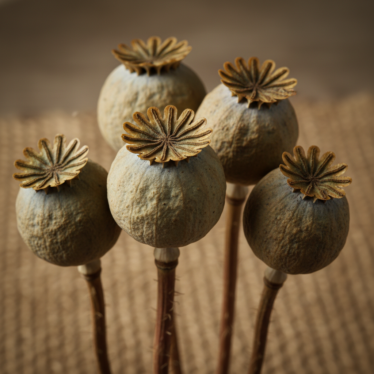
- Intact Crowns: The top star-shaped crown should be fully formed and undamaged.
- Sturdy Stems: Stems should be thick enough to support the pod in a floral arrangement without snapping.
- Natural Coloration: Properly dried pods retain a beautiful, natural bluish-green or tan hue without looking overly bleached.
Planting and Caring for Your Mixed Poppies
If you decide to grow your own mixed poppy flowers from seed, following a few fundamental botanical principles will ensure a thriving garden. Organizations like the Royal Horticultural Society recommend sowing poppies directly into the soil, as they dislike root disturbance.
Soil and Sunlight Requirements
Poppies thrive in well-draining soil and require full sunlight to produce the most vibrant blooms. They prefer slightly sandy or loamy soil with a neutral pH. Avoid waterlogged areas, as overly wet soil will cause the roots to rot.
Sowing the Seeds
- Timing: Plant seeds in early spring or late autumn. Poppy seeds actually benefit from a period of cold stratification, meaning exposure to frost helps break their dormancy.
- Sowing Technique: Mix the tiny seeds with a handful of fine sand to help distribute them evenly. Scatter the mixture lightly over the prepared soil.
- Covering: Do not bury the seeds deeply. They need light to germinate. Simply press them gently into the surface of the soil.
Watering and Maintenance
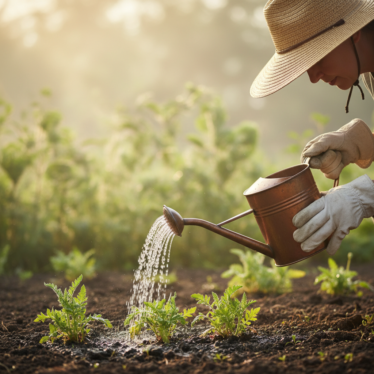
While the seeds are germinating, keep the soil consistently moist but not muddy. Once the plants establish themselves, poppies are remarkably drought-tolerant. Overwatering can lead to weak, leggy stems.
Harvesting and Preserving Poppy Pods
One of the greatest benefits of growing mixed poppies is the secondary harvest: the pods. After the brilliant petals fall away, the plant leaves behind a distinct, architectural seed pod.
To harvest these pods for dried arrangements:
- Wait until the pod swells and the stem begins to turn from green to a yellowish-brown.
- Cut the stem near the base using sharp, sterilized pruning shears.
- Tie the stems together in small bunches and hang them upside down in a dark, dry, and well-ventilated room.
- Allow them to cure completely for two to three weeks.
If you lack the time or space to grow and dry your own, you can always source perfectly preserved, ready-to-use botanical pods from specialists like Premium Poppy Pods.
Conclusion
Deciding to buy mixed poppy flowers—whether in seed form for your garden or as dried pods for your home decor—opens up a world of botanical beauty. By choosing premium sources, planting with care, and understanding the unique needs of different varieties, you can enjoy these captivating plants year-round. Start planning your floral display today, and bring the timeless elegance of the poppy into your life.
FAQ: Buying and Growing Mixed Poppy Flowers
Q: When is the best time to plant mixed poppy seeds?
A: The ideal time to plant mixed poppy seeds is in late autumn or early spring. Poppy seeds need a period of cold weather, known as cold stratification, to germinate successfully.
Q: Do poppy flowers need a lot of water?
A: No, mature poppy flowers are quite drought-tolerant. You should keep the soil lightly moist during the germination phase, but once established, they only need occasional watering. Overwatering can damage the roots.
Q: Can I grow poppies in pots or containers?
A: While possible, poppies have long taproots and generally do not like being transplanted or confined. If you choose to use containers, ensure they are deep and have excellent drainage.
Q: Where can I buy high-quality dried poppy pods for floral arrangements?
A: You can purchase premium, carefully preserved dried poppy pods from specialized botanical suppliers. For top-tier quality, we recommend browsing the selection at primiumpoppypods.com.
Q: How long do dried poppy pods last?
A: When kept out of direct sunlight and in a dry environment, preserved poppy pods can last for several years, making them an excellent long-term addition to home decor and floral arrangements.
