
- Your cart is empty
- Continue shopping
-
sales@primiumpoppypods.com
- Posted on
- Categories:Uncategorized
- 0 comments
Introduction: When to Harvest Lavender Flowers
Knowing when to harvest lavender flowers is one of the most important steps in growing high-quality lavender. The timing of harvest directly affects fragrance, color, essential oil content, and how well the flowers preserve after cutting. Whether you are growing lavender for bouquets, dried arrangements, or essential oil production, harvesting at the right moment ensures the best results.
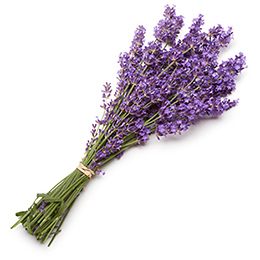
Best Season for Harvesting Lavender
Lavender is typically harvested once per year during its main blooming season, which usually falls between late spring and mid-summer. In most regions, this means June through August, although exact timing depends on climate and lavender variety.
English lavender tends to bloom earlier in the season, while French and Spanish varieties may flower slightly later. Observing your plants closely is the best way to determine the correct harvest window.
Ideal Bloom Stage for Harvest
The most critical factor in deciding when to harvest lavender flowers is the bloom stage. The best time is just before the flowers are fully open. Ideally, about one-third to half of the buds should be open, while the rest remain closed.
At this stage, the plant contains the highest concentration of essential oils, which gives lavender its strong fragrance and long-lasting quality. If you wait too long, the flowers may become brittle and lose some of their scent. Harvesting too early can result in weaker aroma and less vibrant color after drying.
Best Time of Day to Harvest Lavender
The time of day also plays a key role in quality. The best time to harvest lavender is in the morning after the dew has evaporated but before the sun becomes intense. During this window, essential oil levels are at their peak.
Avoid harvesting in the heat of the afternoon, as high temperatures can reduce oil concentration. It is also best to avoid cutting lavender after rainfall, since excess moisture can slow drying and increase the risk of mold.
Weather Conditions and Harvest Timing
Dry, sunny weather provides the best conditions for harvesting lavender flowers. Consistent dry days help preserve the plant’s fragrance and make the drying process more effective.
If rainy weather is expected, it is better to wait until conditions improve. Moisture trapped in freshly cut lavender can reduce quality and shorten storage life.
How to Harvest Lavender Properly
Use sharp, clean pruning shears to cut lavender stems. Make cuts just above the woody base, leaving enough green growth to support future blooming. Avoid cutting into old, woody stems, as this can damage the plant’s ability to regenerate.
Gather stems into small, manageable bundles for easier handling and drying.
What Happens After Harvest
Once you have harvested lavender flowers, proper handling ensures long-lasting quality. Most growers hang the bundles upside down in a cool, dark, and well-ventilated area. This method preserves color, maintains fragrance, and prevents mold growth.
Freshly harvested lavender can also be used immediately in bouquets, crafts, or culinary applications before drying.
Why Harvest Timing Matters
Harvest timing has a direct impact on lavender quality. Properly timed harvesting produces stronger fragrance, better color retention, and higher essential oil content. It also supports healthy plant growth, encouraging more productive blooming cycles in future seasons.
Conclusion
Understanding when to harvest lavender flowers helps you get the most from your plants. By choosing the right bloom stage, harvesting in the morning, and picking during dry weather, you ensure premium quality lavender every time. With careful timing and proper technique, lavender continues to deliver beauty, fragrance, and value long after harvest.
