
- Your cart is empty
- Continue shopping
-
sales@primiumpoppypods.com
- Posted on
- Categories:Uncategorized
- 0 comments
Untreated Poppy Pods: Natural Beauty for Floral and Craft Applications
Untreated poppy pods have become a popular choice among florists, crafters, and plant enthusiasts who value natural, chemical-free materials. These seed capsules, harvested directly from poppy flowers after the petals fall, maintain their original color, texture, and form. Because they remain unprocessed, untreated poppy pods provide an authentic and eco-friendly option for both decorative and educational purposes.
What Are Untreated Poppy Pods?
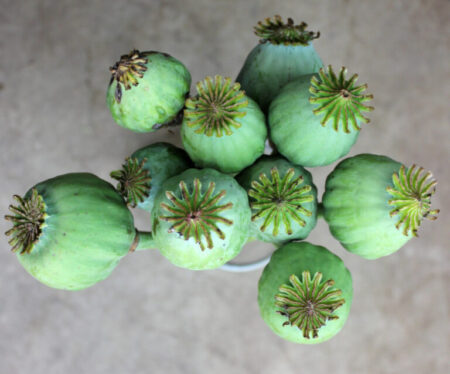
Untreated poppy pods are the unaltered seed capsules of poppy plants, typically Papaver somniferum or ornamental varieties. Harvested while still fresh and green, these pods retain a firm structure and a slightly pliable texture. Unlike chemically treated or dyed pods, untreated pods maintain their natural green or bluish-green coloration and subtle variations in size and shape. These characteristics make them especially appealing for projects that emphasize natural aesthetics and sustainability.
Key Features and Quality Indicators
When selecting untreated poppy pods, several qualities indicate high value:
- Firmness: Pods should feel solid but slightly flexible, ensuring they hold their shape in arrangements.
- Color Consistency: Even green or bluish-green hues signal freshness, while minor natural variations add authenticity.
- Intact Stems: Strong stems make handling, arranging, and display easier.
- Clean Surface: Avoid pods with cracks, mold, or discoloration to ensure durability.
High-quality untreated pods last longer in floral arrangements, crafts, or educational displays, providing both visual appeal and functional reliability.
Applications for Untreated Poppy Pods
Untreated poppy pods are highly versatile and can be used in multiple ways:
- Floral Arrangements: Their geometric form adds structure and texture to bouquets, centerpieces, and seasonal displays. They complement both rustic and modern arrangements without overpowering other elements.
- Craft Projects: Artisans often incorporate untreated pods into wreaths, table decorations, and handmade ornaments. Since they are chemical-free, they allow for safe customization using natural dyes or paints.
- Educational Tools: Teachers and students can use untreated pods to study plant morphology, seed structures, and natural growth patterns. Their durability makes them ideal for hands-on learning experiences.
Preservation and Handling
Proper care ensures untreated poppy pods maintain their shape and quality. Store them in a cool, dry location away from direct sunlight. To preserve them for long-term use, air-dry the pods by hanging them upside down in a ventilated space. This method hardens the pods while maintaining their natural form and color, allowing them to be reused in multiple projects. Avoid chemical treatments, which can compromise both their natural integrity and biodegradability.
Legal and Sourcing Considerations
Poppy plants are regulated in many countries because of their association with controlled substances. While decorative use of pods is generally permitted, buyers should verify local regulations before purchasing or importing them.
Choosing reputable suppliers ensures that pods are harvested responsibly and meet quality standards. Locally sourced pods are often fresher and reduce environmental impact from transportation.
Final Thoughts
Untreated poppy pods offer a combination of natural beauty, versatility, and sustainability. Their unprocessed form makes them an ideal choice for floral arrangements, craft projects, and educational purposes. By selecting high-quality pods, sourcing responsibly, and handling them properly, designers and enthusiasts can enjoy the aesthetic and functional benefits of untreated poppy pods while supporting eco-friendly practices and maintaining authenticity.
