
- Your cart is empty
- Continue shopping
-
sales@primiumpoppypods.com
- Posted on
- Categories:Uncategorized
- 0 comments
Sustainable Poppy Pods: Eco-Friendly Choices for Design and Decor
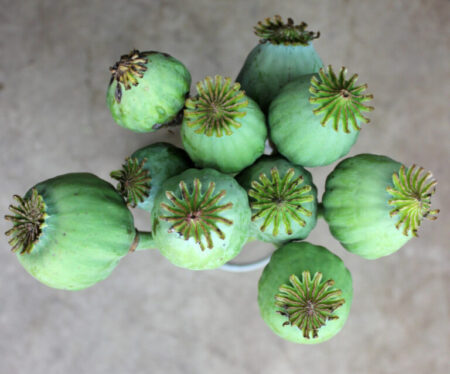
Sustainable poppy pods are becoming increasingly popular among florists, crafters, and eco-conscious consumers. These seed capsules develop on poppy flowers after the petals fall, offering natural beauty combined with environmentally responsible production. Using sustainable poppy pods allows designers and hobbyists to add texture and elegance to arrangements while supporting responsible farming practices.
What Makes Poppy Pods Sustainable?
Sustainable poppy pods come from plants grown using eco-friendly practices. Farmers avoid synthetic fertilizers and pesticides, maintain soil health with crop rotation, and implement ethical labor standards. Harvesters carefully pick pods to protect both the plants and the surrounding ecosystem, ensuring minimal environmental impact.
Because sustainable pods remain untreated, they keep their natural green or bluish-green color, firm texture, and geometric shape. Designers can use them fresh or air-dry them for long-term projects without reducing their aesthetic value or eco-friendly benefits.
Benefits of Choosing Sustainable Poppy Pods
Selecting sustainable poppy pods offers several advantages:
- Environmental Responsibility: They biodegrade naturally and do not carry chemical residues.
- Visual Appeal: Their symmetrical form and muted tones enhance the beauty of floral arrangements and crafts.
- Versatility: Designers can use them in fresh bouquets, dried decorations, wreaths, and centerpieces.
- Support for Ethical Farming: Buying these pods encourages eco-conscious cultivation and helps local growers.
Applications in Design and Craft
Sustainable poppy pods provide creative possibilities across different settings:
- Floral Arrangements: Their rounded shape and natural hues add depth and structure to both minimalist and rustic bouquets.
- Craft Projects: Artisans incorporate pods into seasonal displays, wreaths, and table decorations. Designers can customize untreated pods with natural dyes or paint.
- Educational Use: Teachers and students use the pods to study plant structure, seed development, and growth patterns in a hands-on, sustainable manner.
Handling and Preservation
To keep pods in top condition, store them in a cool, dry area away from direct sunlight. Hang them upside down in a ventilated space to air-dry for long-term use. This method maintains their shape, texture, and natural aesthetic. Avoid chemical sprays or preservatives, which reduce their biodegradability and compromise sustainability.
Legal and Sourcing Considerations
Poppy plants face legal regulations in some regions due to their association with controlled substances. Buyers should check local laws before purchasing or importing pods.
Purchase sustainable pods from reputable vendors who prioritize ethical cultivation and eco-friendly practices. Locally sourced pods often arrive fresher, reduce transportation impact, and maintain high quality for arrangements and projects.
Final Thoughts
Sustainable poppy pods combine natural elegance, versatility, and eco-conscious benefits. By selecting high-quality pods, sourcing responsibly, and handling them correctly, designers and hobbyists can enhance floral arrangements, crafts, and educational projects while supporting environmentally friendly practices. These pods provide a timeless, visually striking option that blends creativity with sustainability.
