
- Your cart is empty
- Continue shopping
-
sales@primiumpoppypods.com
- Posted on
- Categories:Uncategorized
- 0 comments
Poppy Seed Heads: Structure, Development, and Botanical Importance
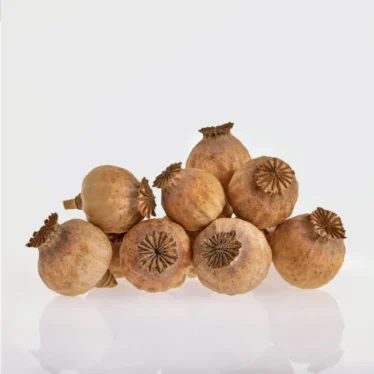
Poppy seed heads are the mature seed capsules produced by poppy plants after the flowering stage ends. When the vibrant petals of the poppy flower fall away, a rounded capsule remains at the top of the stem. This capsule, commonly known as the poppy seed head, contains hundreds of tiny seeds and plays an essential role in the plant’s reproductive cycle. Because of their unique structure and long history in agriculture, poppy seed heads have become important subjects in botanical research, horticulture, and plant education.
Botanical Structure of Poppy Seed Heads
Poppy plants belong to the genus Papaver, which is part of the poppy family (Papaveraceae). Among the many species in this genus, Papaver somniferum is one of the most widely known due to its historical and agricultural significance.
The life cycle of a poppy plant begins with seed germination, followed by the growth of a tall stem and a flower bud. When the bud opens, it reveals delicate petals that can appear in shades of white, pink, red, purple, or orange depending on the species. After pollination occurs, the petals quickly fall away, leaving behind the developing seed capsule.
This capsule gradually expands and forms the poppy seed head. At the top of the capsule sits a distinctive flat structure called the stigma disc. The disc has a star-like pattern and serves as a key identifying feature of poppy seed heads.
Inside the capsule, hundreds or even thousands of tiny seeds develop. As the seed head matures, the outer shell becomes firm and protective. Small openings form beneath the stigma disc, allowing the seeds to disperse naturally when wind shakes the dried capsule.
Growth and Seed Dispersal
Poppy plants use a simple yet effective seed dispersal system. When the seed head dries, the tiny openings beneath the stigma disc act like small vents. Wind movement causes the capsule to sway, and seeds gradually shake out through these openings.
This method allows the plant to spread seeds over the surrounding soil, increasing the chances of successful germination during the next growing season. The process demonstrates a common strategy used by flowering plants to distribute seeds efficiently in natural environments.
Poppy seed heads typically measure between 2 and 6 centimeters in diameter, although size varies depending on the species, climate, and soil conditions.
Historical and Agricultural Significance
Humans have cultivated poppies for thousands of years. Ancient civilizations around the Mediterranean region grew poppies for their seeds, oils, and ornamental flowers. Poppy seeds became widely used in cooking, particularly in breads, pastries, and traditional dishes in many cultures.
Over time, poppy plants spread across Europe, Asia, and other parts of the world through trade and agricultural expansion. Farmers valued them for their adaptability and the versatility of their seeds.
In addition to their agricultural uses, poppies also developed strong symbolic associations in many societies.
Cultural and Educational Interest
Throughout history, poppy flowers and seed heads have appeared in art, literature, and mythology. Many cultures associate poppies with sleep, peace, and remembrance. In modern times, poppies are widely recognized as symbols honoring soldiers who died in war.
From a scientific perspective, poppy seed heads provide a clear example of plant reproductive structures. Teachers and botanists often use them to explain how flowering plants produce, protect, and disperse seeds.
Conclusion
Poppy seed heads represent an important stage in the life cycle of poppy plants. Their unique capsule structure protects developing seeds and enables natural dispersal through wind movement. Combined with their historical agricultural use and cultural symbolism, poppy seed heads continue to attract interest from botanists, gardeners, and plant enthusiasts around the world. Understanding these structures offers valuable insight into plant reproduction and the long-standing relationship between humans and cultivated plants.
