
- Your cart is empty
- Continue shopping
-
sales@primiumpoppypods.com
- Posted on
- Categories:Uncategorized
- 0 comments
Poppy Pod Tea Water Temperature: Why It Matters in Preparation
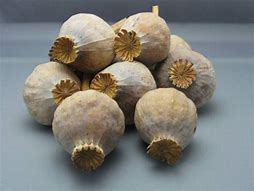
Many people researching herbal extractions often ask about poppy pod tea water temperature and how it affects the process. Poppy pod tea is associated with the dried seed pods of the opium poppy plant, scientifically known as Papaver somniferum. These pods contain naturally occurring alkaloids such as morphine and codeine, which belong to the opioid family. Because these compounds are sensitive to preparation methods, factors like water temperature, steeping time, and plant quality can influence the extraction process.
Understanding the Role of Water Temperature
Water temperature plays an important role in many herbal extraction methods. When plant material is placed in water, heat helps dissolve certain chemical compounds stored in the plant tissues. Warmer water can speed up this process by increasing the movement of molecules, allowing soluble substances to pass more easily into the liquid.
In general herbal preparation practices, warm or hot water is commonly used to extract compounds from leaves, roots, or dried plant material. However, the exact temperature can influence both the efficiency of extraction and the stability of the compounds involved.
Alkaloids in the Opium Poppy
The pods of Papaver somniferum contain several naturally occurring alkaloids. The most widely known include morphine, codeine, and thebaine. These chemicals form the basis of many pharmaceutical opioid medications used in modern medicine.
Because these alkaloids dissolve in water to some degree, water temperature can influence how much of the compounds move from the plant material into the liquid during steeping. However, the natural variability of the plant makes the process unpredictable. Factors such as plant strain, soil conditions, harvest timing, and drying techniques all affect the final chemical composition of the pods.
Why Potency Is Difficult to Predict
Even when people focus on variables like poppy pod tea water temperature, predicting the strength of the resulting liquid remains extremely difficult. Alkaloid concentrations can vary widely from one batch of pods to another.
This variability means that two preparations using the same temperature and steeping time may still produce very different concentrations of morphine or codeine. Unlike pharmaceutical medications, plant-based preparations do not follow standardized production methods or dosage guidelines.
For this reason, health professionals often warn about the risks associated with consuming products derived from poppy pods.
Health Warnings from Authorities
Public health agencies have issued warnings about substances derived from poppy pods because of the risk of opioid toxicity. The unpredictable concentration of alkaloids in the plant material can lead to accidental exposure to higher doses than expected.
Organizations such as the U.S. Food and Drug Administration and the Centers for Disease Control and Prevention have reported cases in which individuals experienced serious illness after consuming poppy-based teas. These incidents often occurred because the potency of the tea was much stronger than the individual anticipated.
Legal Context
The legal treatment of substances derived from the opium poppy varies between countries. Many regions allow the cultivation of poppies for ornamental purposes or for producing culinary poppy seeds. However, the extraction of opioid compounds may fall under drug control regulations.
For example, morphine and codeine are regulated in the United States under the Controlled Substances Act. The United Kingdom regulates similar substances under the Misuse of Drugs Act 1971.
Conclusion
Discussions about poppy pod tea water temperature highlight how preparation variables can influence plant-based extractions. While temperature affects how compounds dissolve in water, the natural variability of Papaver somniferum makes it difficult to predict the concentration of alkaloids in the final liquid. Because of the associated health and legal concerns, researchers and readers should approach this topic with careful attention to safety information and regulatory guidelines.
