
- Your cart is empty
- Continue shopping
-
sales@primiumpoppypods.com
- Posted on
- Categories:Uncategorized
- 0 comments
Poppy Pod Tea Recipe: Understanding the Traditional Preparation and Its Risks
Interest in a poppy pod tea recipe often comes from people researching herbal traditions, plant alkaloids, or historical uses of the opium poppy. The tea comes from the dried seed pods of the opium poppy plant, scientifically known as Papaver somniferum. While poppy seeds appear commonly in foods such as breads and pastries, the seed pods contain naturally occurring opioid alkaloids. Because of this chemical composition, discussions about poppy pod tea recipes usually include legal and safety considerations.
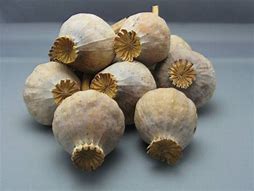
What Are Poppy Pods?
After the bright petals of the opium poppy fall away, the plant produces a rounded capsule called a poppy pod. Inside the pod are hundreds of small seeds that farmers harvest for culinary use. These seeds contain little to no active alkaloids once properly processed.
However, the outer pod and the plant’s latex contain compounds such as morphine, codeine, and thebaine. These substances belong to the opioid family and form the basis of several pharmaceutical pain medications. Because these alkaloids occur naturally in the plant, some people explore poppy pod tea recipes as a way to extract them using water.
General Concept Behind a Poppy Pod Tea Recipe
A typical poppy pod tea recipe involves breaking or crushing dried pods and soaking the plant material in water. This process allows certain water-soluble compounds to move from the plant tissue into the liquid.
People often strain the mixture after steeping to remove the solid plant fragments. The resulting liquid is commonly referred to as poppy pod tea. However, the strength and chemical composition of the tea can vary significantly depending on several factors.
For example, plant variety, soil conditions, harvest timing, and drying methods all influence the alkaloid levels within the pods. Because of this natural variability, the amount of morphine or codeine extracted into the tea may differ widely from one batch to another.
Why Potency Is Unpredictable
One of the major concerns surrounding any poppy pod tea recipe is the lack of standardized dosage. Unlike prescription medications, homemade plant preparations do not follow strict manufacturing guidelines or laboratory testing.
Even pods from the same plant can contain different levels of alkaloids. This means two preparations made using similar methods could produce very different concentrations of active compounds. As a result, people cannot reliably predict the strength of the tea.
This unpredictability increases the risk of consuming higher amounts of opioids than expected.
Health Warnings from Medical Authorities
Health organizations have issued warnings about products derived from poppy pods. The main concern involves the possibility of opioid poisoning caused by unpredictable alkaloid levels.
Agencies such as the U.S. Food and Drug Administration and the Centers for Disease Control and Prevention have cautioned consumers about poppy products marketed online for brewing tea. Several medical reports link poppy pod tea consumption to serious illness and accidental overdoses.
Prescription opioid medications undergo strict medical regulation and dosage control. Homemade poppy pod tea does not provide the same safety safeguards.
Legal Considerations
The legal status of poppy pods and their preparation varies around the world. Some countries allow people to grow opium poppies for ornamental purposes or to harvest culinary seeds. However, many governments restrict the extraction of narcotic substances from the plant.
In the United States, morphine and codeine fall under the Controlled Substances Act. In the United Kingdom, similar regulations appear in the Misuse of Drugs Act 1971.
Because these laws focus on controlled substances derived from the opium poppy, preparing or consuming poppy pod tea may carry legal risks depending on local regulations.
Conclusion
People searching for a poppy pod tea recipe often encounter a mixture of botanical information, legal discussions, and public health warnings. While the opium poppy has played an important role in agriculture and medicine for centuries, extracts made from its pods contain natural opioid compounds that present significant safety and legal concerns. Understanding these factors is essential for anyone researching this topic.
