
- Your cart is empty
- Continue shopping
-
sales@primiumpoppypods.com
- Posted on
- Categories:Uncategorized
- 0 comments
Poppy Pod Tea and Erowid: What You Should Know
When people search for poppy pod tea Erowid, they are usually looking for firsthand accounts, practical information, and community‑driven knowledge about tea made from opium poppy pods. Erowid is a nonprofit online resource that hosts a wide range of data on plants, chemicals, and drugs, including detailed pages about the opium poppy (Papaver somniferum) and related use experiences.
Erowid’s material provides context for what poppy pod tea is, how people historically and contemporarily discuss it, and personal reports about effects. While Erowid does not “recommend” any use, its vaults collect reflections, user‑submitted reports, and links to scientific and historical information.
What Is Poppy Pod Tea?
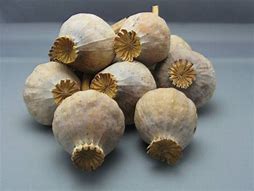
Poppy pod tea is a brew made from the dried seed pods of the opium poppy plant. These pods contain alkaloids such as morphine and codeine. In the living plant, a milky latex exudes from incised pods, but even dried pods retain measurable quantities of these compounds.
People have consumed the tea for centuries in various cultures, sometimes for mild analgesic or sedative effects. In today’s context, individuals discuss poppy pod tea online for its potential calming or euphoric effects, though the strength and effects vary widely depending on plant strain and preparation.
Erowid’s Coverage of the Opium Poppy
Erowid’s Poppy Vault focuses on the Papaver somniferum plant rather than a single preparation like poppy pod tea. It classifies the plant based on its botanical features, historical use, and effects: sedative and euphoriant. The vault highlights that the opium poppy has a long traditional use history across Asia and Europe, tracing how people harvested opium and used parts of the plant for medicinal or ritual purposes.
Within the vault, Erowid mentions related topics such as harvesting, medicinal uses, and stories involving poppy seed tea or pod tea attempts submitted by users (“Trying Seed Tea to Combat Withdrawal Symptoms” and “Dreamy Tea Recipe”). These anecdotes help paint a real‑world picture of how individuals experiment with preparations and what they report about effects and risks.
How Erowid Reports Experiences
One of Erowid’s key value propositions is sharing user experiences. For poppy pod tea, these often include accounts of how people prepared the tea, what effects they felt, and any adverse reactions. Some reports describe relaxing or euphoric effects, while others highlight negative outcomes like nausea, sleepiness, or overestimation of potency.
These firsthand accounts are not scientific evidence, but they offer insight into how variability in preparation and plant chemistry leads to unpredictable outcomes. Erowid’s openness to multiple perspectives — from positive to cautionary — gives readers a broader understanding of human experiences beyond controlled research settings.
Safety and Risk Context
Mainstream clinical and toxicology sources (not just Erowid) emphasize that poppy pod tea can pose serious health risks. Because morphine and codeine content varies widely with plant strain and preparation method, people risk unintentional overdose. Cases of opioid use disorder and even overdose deaths have been linked to various forms of poppy tea.
Medical reports highlight that individuals using poppy seed or pod tea — especially repeatedly — can develop dependency, withdrawal symptoms, and other complications associated with opioids. Health experts generally caution against using such teas for self‑treatment of pain, anxiety, or withdrawal.
Conclusion
Searching for poppy pod tea Erowid usually leads to a mix of botanical context, user‑generated reports, and external links that reflect a range of experiences and perspectives. Erowid’s content helps illustrate how people prepare, perceive, and react to poppy pod tea, but it also shows how unpredictable and potentially hazardous this practice can be. Understanding both community reports and clinical warnings gives a fuller picture of poppy pod tea’s effects, risks, and why mainstream healthcare professionals advise caution.
