
- Your cart is empty
- Continue shopping
-
sales@primiumpoppypods.com
- Posted on
- Categories:Uncategorized
- 0 comments
Papaver Poppy Symbolism — Meaning, History, and Cultural Significance
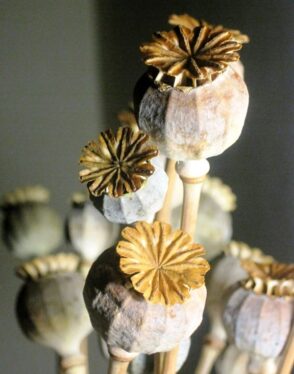
Papaver poppy symbolism has captured the imagination of cultures, gardeners, and artists for centuries. The flower’s vibrant petals, distinctive seed pods, and delicate foliage convey messages of remembrance, peace, resilience, and hope. Understanding the history, cultural meanings, and spiritual associations of Papaver poppies enriches appreciation for this iconic plant.
Historical Significance
Ancient civilizations, including the Egyptians, Greeks, and Romans, valued Papaver poppies for their medicinal, culinary, and ornamental properties. These societies associated poppies with sleep, death, and fertility due to their sedative qualities and prolific seed production.
After World War I, people began linking the red corn poppy (P. rhoeas) to soldiers who died in battle. The flower’s ability to bloom on disturbed ground mirrored the endurance of those who suffered through war. Today, people continue to wear red poppies during Remembrance Day or Memorial Day ceremonies to honor fallen soldiers.
Colors and Their Symbolism
Different poppy colors convey unique meanings. Red poppies symbolize remembrance, sacrifice, and courage. White poppies represent peace, hope, and consolation. Gardeners use orange or yellow poppies to symbolize creativity, renewal, and vitality. Pink varieties signify imagination, success, and admiration. Choosing colors intentionally helps gardeners convey particular sentiments in decorative arrangements or memorial gardens.
Religious and Spiritual Symbolism
Papaver poppies also carry spiritual significance. Greek and Roman myths linked the flower to sleep and the afterlife, reflecting its sedative properties. In some Eastern traditions, people associate poppies with peace, rest, and the release of suffering. Artists and spiritual practitioners often use poppies to symbolize calmness, reflection, and life’s fleeting nature.
Poppies in Literature and Art
Poets, painters, and writers have drawn inspiration from Papaver poppies for centuries. Literature often uses the flower to symbolize dreams, sleep, or the boundary between life and death. In art, painters highlight their vibrant petals to depict both beauty and transience. The flower’s striking appearance and layered meanings make it a recurring motif worldwide.
Modern Uses and Memorial Gardens
Gardeners cultivate Papaver poppies for beauty, remembrance, and reflection. Memorial gardens often feature red poppies to honor veterans and fallen soldiers. The flowers remind visitors of sacrifice, resilience, and hope while adding beauty to contemplative spaces.
Conclusion
Papaver poppies carry rich symbolism across history, religion, art, and modern culture. Red poppies honor remembrance and sacrifice, while other colors represent peace, creativity, and hope. People have long associated them with sleep, death, and renewal, reflecting humanity’s fascination with life’s fragility and resilience. By understanding Papaver poppy symbolism, gardeners, historians, and artists can appreciate the flower beyond its visual beauty and embrace its deeper cultural and emotional significance.
