
- Your cart is empty
- Continue shopping
-
sales@primiumpoppypods.com
- Posted on
- Categories:Uncategorized
- 0 comments
Papaver Poppy Seeds — A Complete Guide for Gardeners and Enthusiasts
Papaver poppy seeds are tiny, versatile, and widely cultivated for both culinary and ornamental purposes. They come from several species of the Papaver poppy, including Papaver somniferum (opium poppy), Papaver orientale (Oriental poppy), and Papaver rhoeas (corn poppy). These seeds are valued not only for their use in baking and cooking but also for propagating beautiful garden plants. Understanding their characteristics, planting requirements, and care ensures successful growth and abundant blooms.
Characteristics of Papaver Poppy Seeds
Papaver poppy seeds are small, round, and usually gray, blue-gray, or black. Culinary varieties, particularly from Papaver somniferum, are prized for their nutty flavor and oil content, while ornamental varieties are primarily grown for their ability to produce vibrant flowers. The seeds are extremely lightweight, which makes them easy to sow but also prone to being washed away or blown off the soil if not planted carefully.
Seeds have a long shelf life when stored in a cool, dry place. Proper storage ensures they remain viable for several years, making it possible to maintain a continuous supply for both gardening and culinary purposes.
Culinary and Practical Uses
In the kitchen, Papaver poppy seeds are commonly used in breads, muffins, pastries, and desserts. They add a subtle crunch and mild, nutty flavor to recipes. Some cultures also use them in sauces, dressings, and traditional dishes. Gardeners should ensure that seeds intended for ornamental planting are not used for food, as they may not meet food-grade standards.
How to Grow Papaver Poppy from Seeds
Growing Papaver poppy plants from seeds is straightforward but requires some attention. Seeds should be sown directly outdoors on well-drained soil in early spring or late autumn. They require light for germination, so covering them deeply is not recommended. Choosing a sunny location encourages strong stems, healthy leaves, and abundant flowers.
Once seedlings emerge, thin them to 6–12 inches apart, depending on the species, to prevent overcrowding and improve airflow. Most seeds germinate within 10–20 days. Annual species, such as P. somniferum, often bloom within the same season, while perennials like P. orientale may require a full growing season to produce flowers.
Care and Maintenance
Papaver poppy seedlings require consistent moisture while establishing roots. Overwatering can lead to damping-off disease or fungal problems, so allow the soil to dry slightly between waterings. Fertilization should be minimal and balanced; too much nitrogen encourages leafy growth at the expense of flowers. Deadheading spent blooms in annual varieties prolongs flowering, while perennials should be allowed to die back naturally to store energy for the next season.
Harvesting and Saving Seeds
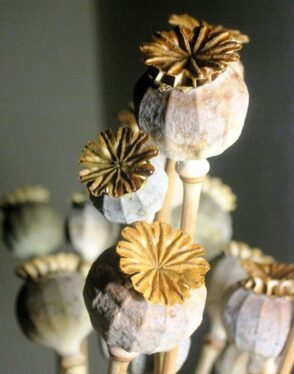
After flowering, the plants produce distinctive seed pods. Once fully mature and dry, the pods can be harvested to collect seeds for future planting. Storing these seeds in a cool, dry place preserves viability for several years, allowing gardeners to propagate their favorite varieties without repeated seed purchases.
Final Thoughts
Papaver poppy seeds are both beautiful and practical, offering benefits in the garden and the kitchen. Understanding their characteristics, proper sowing techniques, and care requirements ensures strong growth and vibrant blooms. Whether used for ornamental gardening, seed propagation, or culinary applications, Papaver poppy seeds are a valuable and versatile addition to any gardener’s collection.
