
- Your cart is empty
- Continue shopping
-
sales@primiumpoppypods.com
- Posted on
- Categories:Uncategorized
- 0 comments
Papaver Poppy Plants — A Comprehensive Guide for Gardeners
Papaver poppy plants are some of the most visually striking additions to any garden. Their vibrant flowers, sculptural seed pods, and delicate foliage create drama in borders, flower beds, and floral arrangements. Gardeners who understand the varieties, planting techniques, and care requirements of Papaver poppy plants can enjoy robust growth and abundant blooms.
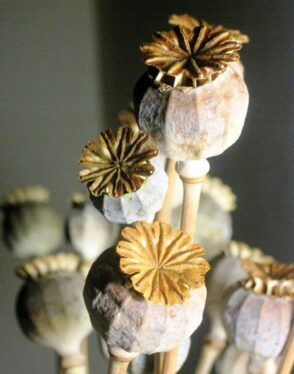
Popular Varieties of Papaver Poppy
Several species of Papaver poppy are widely cultivated. Papaver somniferum, or opium poppy, is an annual with tall stems, large blooms, and decorative seed pods. Perennials such as Papaver orientale, the Oriental poppy, produce bold, long-lasting flowers each year. The corn poppy, Papaver rhoeas, is a hardy annual known for bright red flowers and its natural self-seeding habit.
Variety selection depends on flower colors, plant height, and bloom duration. Oriental poppies are ideal for formal borders, while corn poppies work well in naturalized or meadow-style plantings. Annuals provide quick bursts of color, whereas perennials establish long-term presence in the garden.
Planting Papaver Poppy Plants
Healthy Papaver poppy plants grow best in well-drained soil. Sandy or loamy soils are ideal, while clay benefits from the addition of compost or organic matter. Full sun encourages strong stems, lush leaves, and abundant flowers, making location selection critical.
When sowing seeds, scatter them lightly on the soil surface in early spring or late autumn. They require light for germination, so avoid covering them deeply. After seedlings emerge, thin them to 6–12 inches apart to prevent overcrowding. Proper spacing improves airflow, reduces fungal issues, and supports strong growth.
Watering and Fertilization
Consistent moisture is essential for young plants to establish roots. Mature Papaver poppy plants tolerate some drought and need less frequent watering. Allowing soil to dry slightly between watering helps prevent root rot and fungal infections.
Fertilize sparingly. A slow-release, balanced fertilizer applied in early spring provides necessary nutrients without encouraging excessive leaf growth. Proper nutrition strengthens stems, enhances flowers, and keeps foliage healthy.
Maintenance and Care
Routine maintenance ensures Papaver poppy plants remain vigorous. Removing spent flowers can extend bloom periods in annual varieties. For perennials, allow foliage to die back naturally after flowering to store energy for the next season. Inspect plants regularly for pests like aphids and slugs, and remove damaged leaves promptly to reduce disease risk. Good airflow and proper spacing also minimize fungal problems.
Garden and Landscape Uses
Papaver poppy plants suit a variety of garden styles. They thrive in borders, cottage gardens, and naturalized areas. Bright flowers, textured foliage, and sculptural seed pods provide year-round visual interest. In addition, long stems make them excellent for cut-flower arrangements, adding charm indoors.
Final Thoughts
By choosing the right species, planting in suitable soil, and providing proper sunlight and care, gardeners can enjoy healthy Papaver poppy plants. Vibrant blooms, decorative seed pods, and reliable performance make these plants a standout feature in any landscape. Careful attention to their needs ensures that Papaver poppy plants remain stunning and long-lasting season after season.
