
- Your cart is empty
- Continue shopping
-
sales@primiumpoppypods.com
- Posted on
- Categories:Uncategorized
- 0 comments
Papaver Poppy: How to Grow Healthy and Vibrant Plants
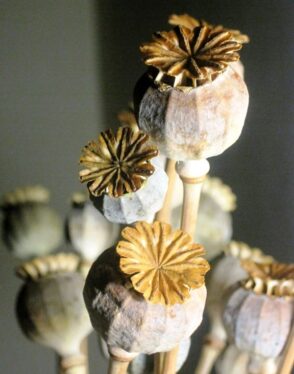
Papaver poppy is a striking flowering plant known for its bright blooms and architectural seed pods. Many gardeners and flower enthusiasts want to learn how to grow Papaver poppy successfully. With careful planning, the right soil, ample sunlight, and consistent care, these delicate yet resilient plants can thrive in gardens, borders, or containers.
Choosing the Right Papaver Poppy
Several species are commonly grown in gardens. Papaver somniferum is an annual with tall stems and large, colorful flowers. For long-lasting garden presence, Papaver orientale, the Oriental poppy, is a perennial that blooms year after year. Papaver rhoeas, or corn poppy, is a hardy annual often used to create naturalized flower beds.
Before planting, consider your climate, available space, and desired flowering period. Annual varieties bloom quickly from seed, while perennials may need a season to establish strong roots before flowering. Selecting the right type ensures success in your garden.
Soil and Planting Conditions
Healthy Papaver poppies require well-drained soil. Sandy or loamy soils work best, while heavy clay should be improved with compost or organic matter. Slightly alkaline to neutral soil pH promotes optimal growth.
Sunlight is crucial for vigorous blooms. Choose a spot with at least six hours of direct sun daily. Adequate spacing—6 to 12 inches apart—improves airflow and reduces the risk of disease, helping plants thrive.
Sowing Seeds
Most Papaver poppies are grown from seed. Sow them directly outdoors in early spring or late autumn, depending on your region. Seedlings rarely transplant well because the plants have delicate taproots.
Lightly scatter seeds on the soil surface and press them gently into place. Keep the soil moist until germination, which typically occurs within 10–20 days. Once seedlings appear, thin them carefully to allow enough space for strong growth.
Watering and Fertilization
Young seedlings need consistent moisture to establish roots. Once mature, Papaver poppies are relatively drought-tolerant. Water deeply but sparingly, letting the soil dry slightly between sessions to prevent root rot or fungal problems.
Fertilization should be minimal. Excess nitrogen can encourage leafy growth instead of flowers. A balanced, slow-release fertilizer applied in early spring is usually sufficient.
Maintenance and Deadheading
Removing spent flowers can encourage longer bloom periods in annual varieties. Cut faded blooms above the first set of healthy leaves to redirect energy into the plant. Perennials benefit from leaving foliage until it naturally dies back, which helps store energy for the following season.
Keep an eye out for pests such as aphids or slugs. Prompt treatment and proper spacing reduce disease and insect issues.
Harvesting Seeds
After flowering, seed pods form on Papaver poppies. Allow some pods to fully mature and turn brown before harvesting. Seeds can then be stored in a cool, dry location and used for the next planting season.
Final Thoughts
By paying attention to species selection, soil, sunlight, watering, and maintenance, growing Papaver poppy can be both rewarding and straightforward. These plants provide vibrant blooms, sculptural seed pods, and long-lasting garden beauty. With proper care, Papaver poppies add color, texture, and charm to any outdoor space.
