
- Your cart is empty
- Continue shopping
-
sales@primiumpoppypods.com
- Posted on
- Categories:Uncategorized
- 0 comments
Papaver Poppy Care — A Complete Guide for Healthy Blooms
Papaver poppies are among the most beautiful and striking flowering plants. Known for their bright, delicate petals and architectural seed pods, they are a favorite in gardens, borders, and floral arrangements. Proper Papaver poppy care ensures vibrant blooms, healthy plants, and long-lasting ornamental value. Understanding their growing conditions, soil preferences, watering needs, and maintenance routines is key to success.
Choosing the Right Variety
Papaver poppies come in many species and cultivars. The most common include Papaver somniferum (opium poppy), Papaver orientale (Oriental poppy), and Papaver rhoeas (corn poppy). Annual varieties like P. somniferum bloom in the first year from seed, while perennials such as P. orientale return each year. Selecting a variety that suits your climate and garden style is the first step in proper care.
Soil and Planting Requirements
Papaver poppies prefer well-drained soil with moderate fertility. Sandy or loamy soils work best, while heavy clay may need amendment. These plants thrive in slightly alkaline to neutral pH conditions. Plant seeds directly outdoors in early spring or late autumn. Transplanting is not recommended, as poppies have delicate taproots that resist disturbance.
For spacing, provide at least 6–12 inches between plants, depending on the species. Adequate spacing improves airflow, reducing disease risk and encouraging stronger growth. Poppies also benefit from full sun exposure. They perform best in locations that receive at least six hours of sunlight daily.
Watering and Fertilization
While young seedlings need regular watering to establish roots, mature Papaver poppies are relatively drought-tolerant. Overwatering can lead to root rot and fungal issues. Water deeply but infrequently, allowing the soil to dry slightly between sessions.
Fertilization should be light. Too much nitrogen encourages leafy growth at the expense of flowers. A balanced, slow-release fertilizer applied in early spring is usually sufficient. Overfertilizing is a common mistake that reduces bloom quality.
Deadheading and Maintenance
Removing spent flowers, or deadheading, encourages prolonged bloom in some annual varieties. Cut faded blooms above the first set of healthy leaves to redirect energy back into the plant. For perennials like P. orientale, allow foliage to die back naturally after flowering. This process stores energy for next year’s growth.
Monitor plants for pests such as aphids or slugs. Treat infestations promptly using organic or chemical controls as appropriate. Proper spacing and airflow also help prevent common fungal diseases.
Seed Collection and Propagation
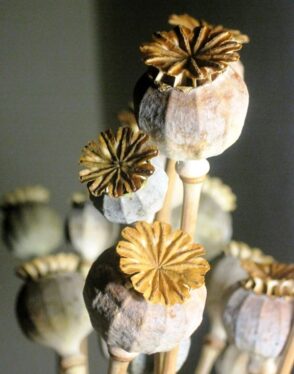
Papaver poppies produce rounded seed pods after flowering. If you want to collect seeds, allow some pods to mature fully and dry on the plant. Harvest seeds when the pods turn brown, and store them in a cool, dry place. Seeds can be sown the following season to propagate new plants.
Final Thoughts
Papaver poppy care is straightforward when gardeners follow basic principles. Choose the right variety, provide well-drained soil and full sun, water wisely, and maintain plants with deadheading and pest control. With attention to these key elements, poppies reward gardeners with vibrant, long-lasting blooms, beautiful seed pods, and a stunning addition to any landscape.
