
- Your cart is empty
- Continue shopping
-
sales@primiumpoppypods.com
- Posted on
- Categories:Uncategorized
- 0 comments
Papaver Dried Poppy Pods — Uses, Care, and Legal Considerations
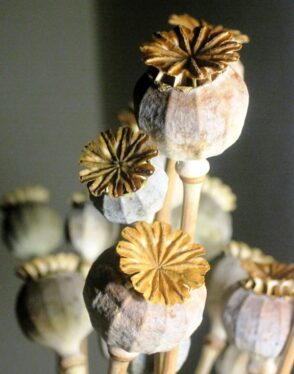
Papaver dried poppy pods are the hardened seed capsules of Papaver somniferum, a flowering plant celebrated for its vibrant blooms and long history in medicine, cuisine, and ornamental horticulture. Once the petals of the poppy flower fall, the plant forms a rounded capsule with a crown-like top. When these capsules are harvested and dried, they become durable, sculptural elements prized for decoration, crafts, and botanical collections.
Botanical Overview
Papaver somniferum, commonly called the opium poppy, thrives in temperate climates and produces smooth stems, lobed blue-green leaves, and flowers ranging from white to deep red or purple. After pollination, the petals fall and the plant directs energy into forming seed capsules. These capsules initially contain a milky latex rich in naturally occurring alkaloids such as morphine and codeine. As the pods mature and dry, the latex hardens, and the pod becomes a durable, hollow shell filled with seeds.
Dried poppy pods maintain their shape for months or even years, making them ideal for long-term decorative purposes. Their natural tones—ranging from tan to gray-brown—blend well with rustic, farmhouse, and minimalist décor styles.
Decorative and Craft Uses
Florists, designers, and craft enthusiasts highly value Papaver dried poppy pods for their unique shape and versatility. Popular applications include:
- Dried floral arrangements and bouquets
- Seasonal wreaths and table centerpieces
- Botanical art and craft projects
- Educational displays in classrooms or collections
Each pod varies in size, shape, and crown formation, providing an organic and textural element to arrangements. Unlike fragile dried flowers, poppy pods hold up well over time, allowing designers to create long-lasting displays without constant maintenance.
Differences Between Pods and Seeds
It is essential to distinguish between poppy seeds and dried pods. Poppy seeds are widely available for culinary use and contain negligible alkaloids, making them safe for baking and cooking. In contrast, dried pods may retain trace amounts of naturally occurring alkaloids, which is why they fall under more stringent regulations in some regions. Decorative pods are not intended for consumption, and ingesting them carries serious health risks.
Legal Considerations
Papaver dried poppy pods exist in a legal gray area due to their chemical composition. In the United States, the Controlled Substances Act regulates opium poppy material, including poppy straw and pods, because of their potential for alkaloid extraction. While decorative use is often tolerated, possession or distribution intended for extraction can lead to legal consequences.
Regulations vary internationally. Some countries allow ornamental sales under agricultural rules, while others restrict importation or possession entirely. Buyers should always check local laws before purchasing dried poppy pods.
Safety Tips
Even for decorative purposes, dried poppy pods should be handled carefully. Keep them out of reach of children and pets to prevent accidental ingestion. Avoid using pods in edible crafts or homemade extracts. Treating the pods strictly as ornamental objects minimizes health and legal risks.
Conclusion
Papaver dried poppy pods combine visual appeal, botanical interest, and historical significance. Their durability, natural texture, and unique shape make them ideal for floral arrangements, crafts, and decorative collections. However, their connection to Papaver somniferum requires awareness of legal and safety considerations. By understanding these factors, enthusiasts can enjoy dried poppy pods responsibly and creatively.
