
- Your cart is empty
- Continue shopping
-
sales@primiumpoppypods.com
- Posted on
- Categories:Uncategorized
- 0 comments
Organic Blue Poppy Seeds: A Natural Choice for Flavor and Wellness
Organic Blue Poppy Seeds are tiny, nutrient-rich seeds known for their striking color, nutty taste, and wide range of culinary uses. Valued across many cultures, these seeds come from the Papaver somniferum plant, commonly known as the breadseed poppy. Today, consumers prize the organic variety for its purity, sustainability, and nutritional benefits.
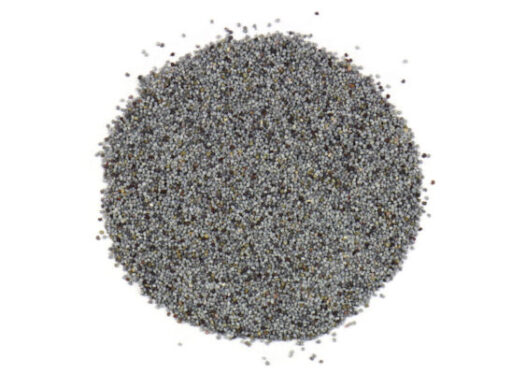
What Makes Blue Poppy Seeds Special?
Blue poppy seeds stand out for their unique bluish-gray hue and delicate crunch. Farmers harvest them from the mature seed pods of the poppy plant, then dry and clean them for use in cooking and baking. Their mild, nutty flavor enhances both sweet and savory dishes.
Bakers sprinkle them over breads, muffins, and bagels. In European and Middle Eastern cuisines, chefs use them to prepare fillings for pastries and sauces. When roasted lightly, the seeds release a deep aroma that adds richness to many recipes.
The Meaning of “Organic”
The label organic means that farmers grow these poppy seeds without synthetic pesticides, herbicides, or chemical fertilizers. Organic farming protects soil health, promotes biodiversity, and avoids the use of genetically modified organisms (GMOs). Instead, farmers rely on natural compost, crop rotation, and beneficial insects to keep their fields healthy.
By choosing organic blue poppy seeds, consumers support sustainable agriculture and reduce their exposure to chemical residues. Organic certification ensures that every step—from planting to processing—meets strict environmental and food safety standards.
Nutritional Value
Though small, organic blue poppy seeds pack impressive nutrition. They contain healthy fats, plant-based protein, and dietary fiber. They are also a good source of calcium, iron, magnesium, and zinc—minerals essential for strong bones and a healthy metabolism.
The seeds’ natural oils include omega-3 and omega-6 fatty acids, which help maintain heart health and reduce inflammation. Their fiber content supports digestion, while the protein helps build and repair body tissues. Adding a spoonful of poppy seeds to a smoothie, salad, or yogurt can boost both texture and nutrition.
Culinary Uses
Cooks love organic blue poppy seeds for their versatility. They fit effortlessly into a variety of dishes—from baked goods and desserts to main courses and dressings. Classic recipes include lemon poppy seed muffins, strudels, and Eastern European poppy seed rolls. In Indian cuisine, ground poppy seeds form creamy bases for curries and sweets.
When toasted, the seeds develop a slightly nutty aroma and crunch, making them an excellent garnish for breads, noodles, or vegetables. Their natural blue-gray color also adds visual appeal to many dishes.
Sustainability and Ethical Farming
Choosing organic blue poppy seeds supports farmers who prioritize environmental care. Organic cultivation encourages soil regeneration, conserves water, and avoids harmful chemicals that damage ecosystems. This approach not only produces cleaner food but also helps protect pollinators and wildlife.
Consumers who buy organic contribute to a global movement that values transparency, sustainability, and respect for nature.
Conclusion
Organic blue poppy seeds offer more than flavor—they represent a healthy and responsible lifestyle choice. With their pleasant taste, rich nutrients, and eco-friendly origins, they prove that good food can be both delicious and sustainable. From artisan bakeries to home kitchens, these seeds continue to inspire cooks who care about quality and the planet.
