
- Your cart is empty
- Continue shopping
-
sales@primiumpoppypods.com
- Posted on
- Categories:Uncategorized
- 0 comments
Opium Poppy Heads: Structure, History, and Botanical Significance
Opium poppy heads develop from the flowering plant Papaver somniferum, one of the oldest cultivated plants in human history. After the poppy flower blooms and its colorful petals fall, the plant forms a round seed capsule at the top of the stem. This capsule, commonly known as the poppy head, holds hundreds of tiny seeds and plays a central role in the plant’s reproductive cycle. Botanists, historians, and agricultural researchers continue to study poppy heads because of their distinctive structure and long historical importance.
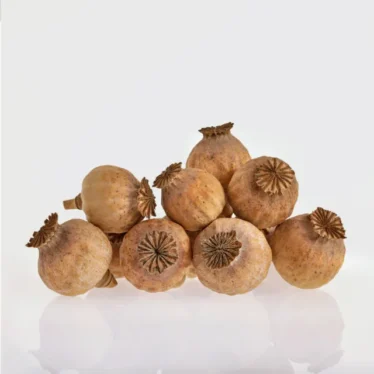
Botanical Structure of the Poppy Head
The opium poppy belongs to the poppy family (Papaveraceae), a group of flowering plants known for their delicate blooms and unique seed capsules. During the early growth stage, the poppy plant produces a flower bud that eventually opens into a brightly colored bloom. Once pollination occurs, the petals drop and the ovary of the flower begins to expand.
This expanding structure forms the poppy head, a rounded capsule that protects the developing seeds inside. At the top of the capsule sits a flat, crown-like feature called the stigma disc. This distinctive disc helps identify the plant and plays a role in the flower’s reproductive process.
As the capsule matures, its outer wall thickens and hardens. Small openings form beneath the stigma disc, allowing the seeds to escape when the wind shakes the dry capsule. This natural mechanism allows the plant to spread its seeds efficiently across nearby soil.
Most opium poppy heads measure between 2 and 6 centimeters in diameter, although size can vary depending on plant variety, climate, and soil conditions.
Historical Cultivation
Farmers have cultivated Papaver somniferum for thousands of years. Archaeological discoveries show that ancient Mediterranean societies grew poppies as early as 3000 BCE. Early agricultural communities valued the plant for its seeds, oil, and traditional medicinal applications.
Ancient Greek and Egyptian writings mention the poppy plant in descriptions of herbal medicine. Traders and farmers later spread poppy cultivation across Europe, Asia, and parts of the Middle East. Over time, the plant became an important crop in several agricultural regions.
Despite its historical uses, the poppy plant also developed strong cultural and symbolic associations throughout history.
Cultural Symbolism
Artists and writers have referenced poppies for centuries. Many ancient cultures connected the poppy flower with sleep, peace, and dreams. This symbolism developed partly because of the plant’s historical association with calming substances.
During the early twentieth century, poppies gained new meaning as symbols of remembrance. After World War I, bright red poppies began growing across battlefields in Europe. Their presence inspired remembrance traditions that continue in many countries today.
Because of this symbolism, poppies frequently appear in memorial events, literature, and artwork.
Decorative and Educational Interest
Many florists and designers appreciate poppy heads for their unusual shape and natural texture. Dried capsules add structure and contrast to floral arrangements and botanical displays. Designers often combine them with dried grasses, wheat stalks, or preserved flowers.
Teachers and plant enthusiasts also use poppy heads to explain plant reproduction. The capsule provides a clear example of seed protection and dispersal in flowering plants. Students can easily observe how the capsule stores and releases seeds through natural openings.
Legal Considerations
Regulations regarding Papaver somniferum differ from country to country. Some governments restrict the cultivation or distribution of the plant because it can produce opium-derived substances. Anyone interested in growing or obtaining poppy plants should review local agricultural laws before doing so.
Conclusion
Opium poppy heads represent a remarkable botanical structure with deep historical roots. Their unique design helps the plant reproduce efficiently, while their cultural significance continues to influence art, agriculture, and botanical study. Understanding the structure and history of poppy heads offers valuable insight into one of the most historically significant plants in the world.
