
- Your cart is empty
- Continue shopping
-
sales@primiumpoppypods.com
- Posted on
- Categories:Uncategorized
- 0 comments
Non-GMO Blue Poppy Seeds: Purity, Flavor, and Natural Value
In a world that increasingly values natural and transparent food sources, Non-GMO Blue Poppy Seeds have gained attention for their purity, flavor, and nutritional benefits. These tiny seeds are not only a popular baking ingredient but also a symbol of sustainable agriculture and conscious consumption. By choosing non-GMO varieties, consumers support natural farming methods and preserve the integrity of traditional crops.
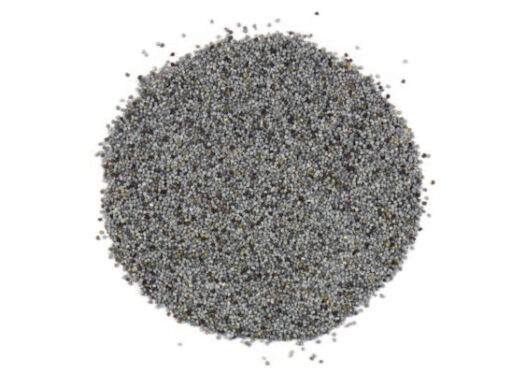
What Are Blue Poppy Seeds?
Blue poppy seeds come from the Papaver somniferum plant, also known as the breadseed poppy. Farmers grow this plant mainly for its seeds, which develop inside small, round pods. The seeds have a distinctive bluish-gray color and a mild nutty flavor. Bakers and chefs use them to enhance the taste and texture of bread, muffins, bagels, and pastries.
Though the plant is related to the opium poppy, the seeds contain only trace alkaloids and are completely safe for culinary use. When properly processed, they pose no narcotic risk and serve as a nutritious addition to many diets.
What Does “Non-GMO” Mean?
The term Non-GMO stands for non–genetically modified organism. Non-GMO crops are grown through traditional breeding methods without altering their DNA in a laboratory. Farmers who cultivate non-GMO blue poppy seeds rely on natural pollination, soil health, and organic pest control instead of synthetic manipulation.
Consumers often choose non-GMO foods to avoid potential health and environmental impacts associated with genetic modification. Supporting non-GMO farming also helps protect seed diversity and maintain the natural genetic structure of crops that have been grown for centuries.
Nutritional Benefits
Non-GMO blue poppy seeds are small but nutritionally dense. They contain healthy fats, dietary fiber, and plant-based protein. A single tablespoon provides essential minerals such as calcium, magnesium, and iron. These nutrients support bone health, energy production, and immune function.
The seeds also contain antioxidants that help the body combat free radicals. Their high content of omega-3 and omega-6 fatty acids contributes to heart health and may reduce inflammation. Because of these qualities, health-conscious eaters often sprinkle them on yogurt, oatmeal, or salads.
Culinary Uses
Cooks and bakers value blue poppy seeds for their versatility. They add a subtle crunch and delicate flavor to both sweet and savory recipes. Classic dishes include lemon-poppy seed muffins, poppy seed rolls, and Eastern European pastries such as kolache. In some cultures, people grind the seeds into a paste to fill desserts or thicken sauces. Their pleasant taste complements honey, citrus, and dairy-based ingredients beautifully.
When roasted lightly, the seeds release a rich aroma that enhances baked goods even further. Their deep blue hue also makes them visually appealing as a garnish or topping.
Supporting Sustainable Farming
Choosing non-GMO blue poppy seeds supports farmers who prioritize sustainability. These growers often use eco-friendly methods such as crop rotation, organic fertilizers, and minimal pesticide use. By purchasing their products, consumers encourage agricultural systems that respect soil health and biodiversity.
Conclusion
Non-GMO blue poppy seeds represent more than just a flavorful ingredient. They reflect a commitment to natural farming, honest labeling, and healthier eating. With their rich taste, nutritional value, and ethical appeal, these tiny seeds remind us that mindful choices can make a big difference—from the field to the table.
