
- Your cart is empty
- Continue shopping
-
sales@primiumpoppypods.com
- Posted on
- Categories:Uncategorized
- 0 comments
Nigella Seed: Origins, Uses, and Lasting Significance
Nigella seed, commonly known as black seed, black cumin, or kalonji, comes from the plant Nigella sativa, a flowering annual native to Southwest Asia, the Middle East, and North Africa. Small in size yet rich in history, Nigella seed has served culinary, cultural, and wellness roles for thousands of years. Its continued use across regions reflects both its versatility and enduring value.
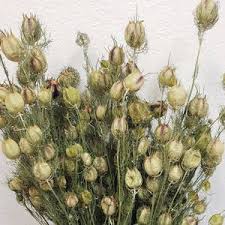
Botanical Background
Nigella sativa belongs to the Ranunculaceae (buttercup) family. The plant produces delicate flowers followed by seed capsules that contain numerous angular black seeds. Despite the name “black cumin,” Nigella seed does not relate botanically to cumin or caraway. Instead, the name reflects its similar use as a spice and seasoning.
Farmers harvest the seeds once the capsules mature and dry. The seeds have a slightly rough texture and release a strong aroma when crushed.
Culinary Importance
Cooks across South Asia, the Middle East, and parts of the Mediterranean actively use Nigella seed to enhance flavor and aroma. The taste combines peppery, nutty, and mildly bitter notes, with subtle hints of onion and oregano. Bakers sprinkle the seeds on flatbreads and naan, while home cooks add them to curries, lentils, pickles, and roasted vegetables.
Light toasting intensifies the flavor and reduces bitterness, making the seeds more aromatic and balanced. Because of their bold profile, cooks typically use Nigella seed in small amounts.
Cultural and Traditional Use
Nigella seed holds deep cultural significance in many regions. Historical records and archaeological findings show its presence in ancient Egyptian society, where people valued it for both nourishment and ritual use. Traditional medical systems, including Islamic, Ayurvedic, and Unani practices, incorporated Nigella seed into daily wellness routines.
Generations passed down knowledge of its uses through family traditions, food preparation, and herbal practices. This continuity helped preserve Nigella seed’s reputation across centuries.
Nutritional and Bioactive Compounds
Nigella seed contains a rich array of bioactive compounds. These include fixed oils, volatile oils, alkaloids, flavonoids, and antioxidants. Among these, thymoquinone has drawn the most scientific interest due to its antioxidant and anti-inflammatory activity.
The seeds also provide essential fatty acids such as linoleic and oleic acid, along with trace minerals. This complex composition explains why Nigella seed has attracted attention from modern researchers studying plant-based nutrition.
Modern Interest and Availability
Today, Nigella seed appears widely in global markets as whole seeds, ground spice, and oil. Health-conscious consumers often include it in everyday meals for both flavor and functional value. Food producers and wellness brands continue to explore new ways to incorporate Nigella seed into modern products.
Conclusion
Nigella seed stands as a powerful example of how a traditional botanical can remain relevant in contemporary life. With its distinctive flavor, rich history, and complex natural compounds, Nigella seed continues to bridge ancient culinary wisdom and modern nutritional interest.
