
- Your cart is empty
- Continue shopping
-
sales@primiumpoppypods.com
- Posted on
- Categories:Uncategorized
- 0 comments
Nigella Pod Crafts: Creative Uses for Nature’s Intricate Seed Capsules
Nigella pod crafts celebrate the quiet beauty of one of nature’s most distinctive seed structures. Nigella plants, especially Nigella damascena (Love-in-a-Mist), produce inflated seed pods with fine ridges and a sculptural form. Because these pods dry naturally on the plant and retain their shape, crafters often choose them for floral art, home décor, and seasonal projects. As a result, nigella pods have become a favorite material in dried-flower crafts.
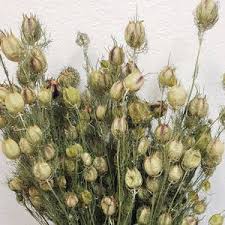
Understanding Nigella Pods
After the nigella flower fades, the plant directs its energy into seed development. Gradually, the flower head swells into a rounded pod made up of fused seed chambers. During this stage, the pod remains green and soft. However, as the plant matures, the pod dries and turns beige to light brown while maintaining its architectural structure. Therefore, timing the harvest correctly plays a crucial role in successful crafting.
Crafters usually cut nigella pods once the stems feel dry but before the pods split open. Then, they hang the stems upside down in a dry, well-ventilated space. Within a few weeks, the pods fully harden, making them durable enough for handling, painting, or arranging.
Popular Nigella Pod Craft Uses
One of the most common uses for nigella pods appears in dried floral arrangements. For example, designers often pair them with grasses, seed heads, and dried blooms to create textured bouquets. Because the pods have a neutral tone, they blend easily into both rustic and modern designs.
Additionally, crafters frequently use nigella pods in wreaths and garlands. When wired onto grapevine or metal frames, the pods add visual interest and natural symmetry. Moreover, their lightweight structure makes them easy to secure without damaging the material.
Nigella pods also work well in tabletop décor. For instance, crafters fill bowls, lanterns, or glass vessels with dried pods for minimalist centerpieces. During autumn and winter, these arrangements feel especially appropriate, as the pods complement seasonal color palettes.
Decorative Techniques
Beyond their natural appearance, nigella pods respond well to simple decorative techniques. Many crafters paint them using acrylics, metallic sprays, or chalk paint. Consequently, gold, white, or muted pastel pods often appear in contemporary floral art. Some artisans also apply wax or sealant to enhance durability and add a subtle sheen.
In addition, nigella pods serve as embellishments in mixed-media projects. They appear on handmade cards, framed botanical art, and nature-inspired wall hangings. Because each pod has slight variations, every finished piece gains a unique character.
Sustainability and Crafting Appeal
Nigella pod crafts align strongly with sustainable and eco-friendly design principles. Since the pods are biodegradable and often home-grown, they offer an alternative to synthetic decorative materials. Furthermore, harvesting pods encourages gardeners to use the entire plant, extending its value beyond the growing season.
Conclusion
In conclusion, nigella pod crafts combine botanical elegance with creative versatility. Through careful harvesting and thoughtful design, crafters transform simple seed pods into lasting decorative elements. Therefore, whether used in floral arrangements, wreaths, or artistic projects, nigella pods continue to inspire creativity through their natural form and timeless appeal.
