
- Your cart is empty
- Continue shopping
-
sales@primiumpoppypods.com
- Posted on
- Categories:Uncategorized
- 0 comments
Nigella damascena Seed Capsules: Structure, Function, and Decorative Significance
Nigella damascena seed capsules are one of the most distinctive and valuable features of the plant, offering both botanical functionality and decorative appeal. While the star-shaped flowers of love-in-a-mist draw initial attention, the seed capsules extend the plant’s ornamental life and provide a practical role in reproduction. Their sculptural form, durability, and unique dispersal mechanism make them important not only in horticulture but also in floristry, craft, and botanical education.
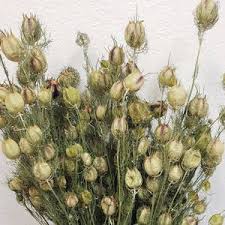
Botanical Structure and Development
After pollination, Nigella damascena channels its energy into forming seed capsules. The ovary enlarges into an inflated, multi-chambered structure, with each chamber containing numerous small, black seeds. As the capsule matures, pronounced vertical ridges develop along the outer walls, providing strength while keeping the capsule lightweight.
The capsule gradually dries, transitioning from green and pliable to firm and sturdy. Unlike many seed heads that collapse quickly, Nigella damascena seed capsules retain their shape for extended periods. This stability protects the seeds until environmental factors—such as wind or touch—trigger their release.
Seed Dispersal Function
The design of Nigella damascena seed capsules facilitates gradual and efficient seed dispersal. Small openings near the top allow seeds to escape incrementally when the plant moves in the wind. This slow-release mechanism improves the likelihood that seeds will find suitable soil for germination rather than dispersing all at once.
Gardeners often notice new plants appearing naturally around mature capsules. This self-seeding habit contributes to the plant’s popularity in cottage gardens and sustainable planting schemes.
Visual and Textural Qualities
Nigella damascena seed capsules provide a subtle yet sculptural aesthetic. Their lantern-like shape, vertical ridges, and matte surface create visual depth without overwhelming an arrangement. Colors range from soft green during early maturity to beige or straw tones when fully dried.
These qualities make the capsules highly suitable for contemporary and naturalistic design styles. They pair well with dried grasses, flowers, and other seed heads, adding structure and volume while maintaining a light, elegant presence.
Use in Floristry and Decorative Arts
Floral designers and crafters frequently use Nigella damascena seed capsules in both fresh and dried arrangements. On long stems, the capsules introduce height and movement; trimmed shorter, they serve as focal points or textural accents. Their durability supports long-term installations in wreaths, garlands, and table displays.
Artists and educators also incorporate the capsules in mixed-media projects, botanical teaching aids, and seasonal décor. While some designers enhance them with subtle dyes or metallic finishes, many preserve the natural form to highlight botanical authenticity.
Harvesting and Drying Practices
Growers typically harvest seed capsules once they reach full size but before they experience prolonged exposure to moisture or frost. Air-drying in a shaded, well-ventilated space helps maintain structural integrity and color. Properly dried capsules remain lightweight, firm, and resistant to cracking.
Conclusion
Nigella damascena seed capsules demonstrate the elegant balance between function and beauty in the plant world. Their effective seed dispersal, sculptural form, and lasting visual appeal make them valuable beyond the flowering stage. Whether used botanically, decoratively, or educationally, these capsules showcase the remarkable design inherent in nature.
