
- Your cart is empty
- Continue shopping
-
sales@primiumpoppypods.com
- Posted on
- Categories:Uncategorized
- 0 comments
How to Make Poppy Pod Tea Stronger: Understanding Potency, Risks, and Plant Chemistry 🌿
Many people search online for information about how to make poppy pod tea stronger. This curiosity often comes from interest in herbal traditions, plant chemistry, or the historical use of the opium poppy in medicine. However, attempts to increase the potency of poppy pod preparations can be dangerous. Health experts emphasize that the natural compounds in poppy pods are powerful and highly unpredictable, which is why discussions today focus on safety, science, and regulation rather than methods of strengthening such preparations.
The Opium Poppy and Its Natural Alkaloids
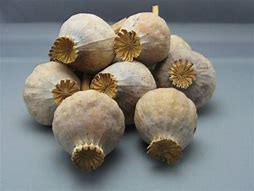
Poppy pods come from the opium poppy, scientifically known as Papaver somniferum. This plant produces a milky latex inside its seed capsules. Within this latex are several naturally occurring alkaloids—chemical compounds that can affect the human nervous system.
Some of the most well-known alkaloids found in the plant include morphine, codeine, and thebaine. Among these, the medication Morphine is one of the most widely used drugs for severe pain management in modern hospitals.
While pharmaceutical versions of these substances are purified and carefully measured, plant material from poppy pods contains varying and unpredictable concentrations of alkaloids.
Why Potency Can Vary So Much
One of the biggest safety concerns surrounding poppy pods is the wide variation in alkaloid levels. Several factors influence the chemical composition of the plant.
First, plant genetics play an important role. Different varieties of poppies naturally produce different amounts of alkaloids. Some strains contain significantly higher concentrations than others.
Second, environmental conditions affect plant chemistry. Soil quality, climate, rainfall, and sunlight all influence how the plant develops its chemical compounds. Even two plants grown in nearby fields may contain different alkaloid levels.
Third, harvesting and storage methods can change the strength of plant material. The maturity of the pods, drying techniques, and storage time may alter the amount of active compounds present.
Because of these factors, the potency of poppy pods is extremely difficult to predict.
Historical Discovery of Morphine
Scientific interest in the opium poppy increased dramatically in the early nineteenth century. In 1804, German pharmacist Friedrich Sertürner successfully isolated morphine from opium.
This discovery marked the first time scientists identified a specific active compound from a medicinal plant. Sertürner’s work helped establish the field of alkaloid chemistry and laid the foundation for modern pharmaceutical science.
The ability to isolate individual compounds allowed researchers to study their effects in a controlled and scientific way.
Health Risks of High-Potency Preparations ⚠️
Attempts to increase the strength of poppy pod preparations raise serious safety concerns. Opioid alkaloids affect the central nervous system and can slow breathing, heart rate, and brain activity.
In large amounts, these effects may become life-threatening. Because natural plant potency varies so widely, it is impossible to reliably predict the strength of informal preparations.
This unpredictability is a major reason why health authorities warn against consuming poppy pod infusions.
The Modern Medical Approach
Today, medicines derived from the opium poppy are produced through regulated pharmaceutical processes. Scientists isolate specific compounds in controlled facilities and create standardized doses.
Doctors then prescribe these medications under strict medical supervision. This system ensures patients receive effective pain relief while reducing the risk of overdose or harmful side effects.
Conclusion 🌱
Searches about how to make poppy pod tea stronger often reflect curiosity about herbal medicine and plant chemistry. The opium poppy has played an important role in medical history and pharmaceutical development.
However, the unpredictable concentration of opioid alkaloids in poppy pods makes stronger preparations particularly dangerous. Modern healthcare systems rely on regulated medications rather than informal plant preparations, ensuring that powerful compounds are used safely and responsibly.
