
- Your cart is empty
- Continue shopping
-
sales@primiumpoppypods.com
- Posted on
- Categories:Uncategorized
- 0 comments
How to Make Poppy Pod Tea: Understanding the History, Risks, and Legal Reality 🌿
Many people search online for information about how to make poppy pod tea. Curiosity about this topic often comes from interest in herbal traditions, plant chemistry, or the historical role of the opium poppy in medicine. However, preparing or consuming poppy pod tea can pose serious health and legal risks. Because of these concerns, most modern discussions focus on the plant’s history, chemistry, and safety considerations rather than preparation methods.
The Opium Poppy and Its Natural Compounds
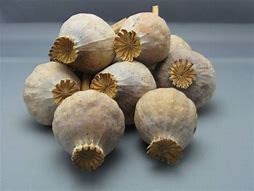
Poppy pod tea is associated with the opium poppy, scientifically known as Papaver somniferum. This plant has been cultivated for thousands of years in different regions of the world. While its seeds are commonly used in foods such as breads and pastries, the seed pods contain a mixture of naturally occurring alkaloids.
Alkaloids are chemical compounds that can affect the human nervous system. In the opium poppy, these substances developed as natural plant defenses. Some of them have strong biological effects when consumed by humans.
The presence of these compounds is the reason the plant has been historically associated with pain relief and sedation. At the same time, it is also the reason modern health authorities warn against informal preparations.
Historical Role in Medicine
The opium poppy has played a major role in the history of medicine. Archaeological findings show that ancient civilizations in the Mediterranean and Near East cultivated the plant thousands of years ago. Early herbal traditions sometimes used poppy-based remedies to promote sleep or reduce pain.
A major turning point occurred in the early nineteenth century. In 1804, the German pharmacist Friedrich Sertürner succeeded in isolating a pure compound from opium. This compound was later named morphine after Morpheus, the Greek god of dreams.
The medication Morphine became the first alkaloid ever isolated from a plant. This discovery changed the direction of pharmaceutical science and helped launch modern medicinal chemistry.
Why Poppy Pod Preparations Are Risky ⚠️
Although the plant has a long historical background, modern health experts warn against consuming poppy pod preparations. The main issue is unpredictability. The amount of active alkaloids in poppy pods varies widely depending on plant variety, growing conditions, and harvesting methods.
Because of this variability, it is impossible to determine the strength of any homemade preparation. Even small differences in plant material may lead to large differences in potency.
These alkaloids can affect breathing, heart rate, and the central nervous system. In high amounts, they may cause severe reactions or life-threatening complications. For this reason, health authorities in many countries discourage or regulate the use of poppy pods for consumption.
The Modern Pharmaceutical Approach
Today, medicines derived from the opium poppy are produced through regulated pharmaceutical processes. Scientists isolate specific compounds and purify them in controlled laboratory environments. This process ensures consistent potency and accurate dosing.
Doctors then prescribe these medications under medical supervision. This approach allows patients to benefit from powerful pain relief while minimizing risks.
Conclusion 🌱
Interest in how to make poppy pod tea often reflects broader curiosity about herbal medicine and the chemistry of plants. The opium poppy has played a crucial role in the history of pharmacology and continues to influence modern medicine.
However, the unpredictable potency of poppy pods and the risks associated with opioid alkaloids mean that informal preparations can be dangerous. For this reason, modern healthcare systems rely on carefully regulated medications rather than traditional plant infusions.
