
- Your cart is empty
- Continue shopping
-
sales@primiumpoppypods.com
- Posted on
- Categories:Uncategorized
- 0 comments
How to Isolate Morphine from Poppy Pod Tea: Understanding the Science, History, and Legal Reality 🌿
Many people searching online ask how to isolate morphine from poppy pod tea. Curiosity about this topic often comes from interest in chemistry, plant medicine, or the long history of the opium poppy. However, isolating morphine outside licensed pharmaceutical settings is illegal in many places and can be extremely dangerous. To understand why, it helps to explore the science of morphine, the history of its discovery, and how modern medicine safely produces it.
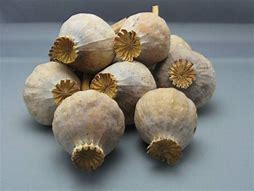
The Opium Poppy and Its Natural Compounds
Morphine is a naturally occurring compound found in the opium poppy, scientifically known as Papaver somniferum. This plant produces several alkaloids, which are nitrogen-containing compounds with strong physiological effects.
The highest concentrations of these alkaloids occur in the latex of the poppy seed pod. Historically, people harvested this latex to produce raw opium. Within this natural mixture are several medically important substances, including morphine, codeine, and thebaine.
Because these compounds affect the human nervous system, they have long been used in pain treatment. At the same time, their potency also creates risks when used improperly.
The Scientific Discovery of Morphine
The first successful isolation of morphine occurred in the early 19th century. In 1804, German pharmacist Friedrich Sertürner managed to separate the compound from opium. His work represented a major milestone in chemistry and pharmacology.
Sertürner named the substance after Morpheus, the Greek god of dreams. This name reflected the compound’s strong sedative effects. His discovery was important because it proved that plants contain specific chemical molecules responsible for their medicinal properties.
This breakthrough eventually helped create the field of alkaloid chemistry. It also changed how scientists approached drug development.
Morphine in Modern Medicine
Today, Morphine is one of the most important medications used to treat severe pain. Hospitals use it in many situations where strong pain relief is required.
Common medical uses include:
- Pain after major surgery
- Severe injuries and trauma
- Cancer-related pain
- Palliative and end-of-life care
Morphine works by binding to opioid receptors in the brain and spinal cord. These receptors reduce the perception of pain signals, which provides significant relief for patients experiencing intense discomfort.
Because of its potency, morphine must be administered carefully and under medical supervision.
Why Production Is Strictly Regulated ⚠️
Morphine is classified as a controlled substance in most countries. Governments regulate its production because misuse can lead to addiction, overdose, and serious health complications.
Pharmaceutical companies that manufacture morphine operate under strict international guidelines. They use specialized laboratories, controlled chemical processes, and precise quality testing. These systems ensure the final medication is pure, accurately dosed, and safe for medical use.
Unauthorized attempts to extract or isolate morphine are dangerous for several reasons. The chemical processes involved require advanced knowledge, controlled environments, and safety measures that are not available outside professional facilities.
Understanding the Broader Context
Interest in the chemistry of the opium poppy often reflects broader curiosity about natural medicines and plant science. Many important drugs, including morphine, originated from plants studied by early scientists.
Today, research continues to explore plant-derived compounds for new treatments. However, modern pharmaceutical standards ensure that powerful medications are produced safely and responsibly.
Conclusion 🌱
The question of how to isolate morphine from poppy pod tea highlights the long connection between plants and medicine. The opium poppy has played a major role in the development of pain management therapies. Yet the strength and risks of morphine mean that its production must remain strictly controlled.
Modern medicine relies on regulated pharmaceutical systems to provide morphine safely to patients who need it most. Understanding the science and history behind the compound helps explain why these safeguards are essential.
