
- Your cart is empty
- Continue shopping
-
sales@primiumpoppypods.com
- Posted on
- Categories:Uncategorized
- 0 comments
Herbal Poppy Pod Tea: History, Uses, and Safety Considerations 🌿
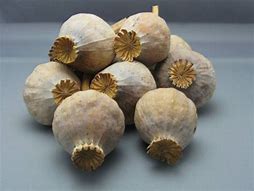
Herbal poppy pod tea is an infusion made from the dried seed pods of the opium poppy plant (Papaver somniferum). The poppy plant has been cultivated for thousands of years. Different cultures have used it for food, medicine, and ceremonial purposes. While poppy seeds are common in baking, the pods contain natural alkaloids that make the plant historically significant.
Historical Background
The opium poppy is one of the oldest cultivated medicinal plants. Evidence shows it was grown in ancient Mesopotamia over 5,000 years ago. Early records also show its use in parts of the Mediterranean region. Ancient societies valued the plant for its calming and pain-relieving properties.
Some historical texts describe the poppy as the “joy plant.” The name referred to its relaxing effects. Over time, herbal healers used various parts of the plant in traditional remedies. These remedies were common before modern pharmaceutical medicine existed.
In many regions, plant-based preparations were the main source of medical treatment. Poppy-derived mixtures sometimes appeared in traditional herbal practices. These preparations were often associated with rest, sleep, and pain relief.
What Is Poppy Pod Tea?
Poppy pod tea is generally made by steeping dried poppy pods in hot water. Some preparations also include crushed pods or plant material from the pod exterior. The resulting liquid forms a strong herbal infusion.
The pods naturally contain several alkaloids. Some of these compounds are also used in modern medical treatments for pain. Because of these substances, poppy pod tea has historically been linked with sedative effects.
However, the strength of the tea can vary greatly. Plant variety plays a major role in this variation. Growing conditions also affect the concentration of natural compounds. Processing and storage methods may change potency as well.
This variability makes the effects difficult to predict. Two preparations made from different plants may produce very different results.
Cultural and Botanical Interest 🌼
Interest in poppy plants continues today for several reasons. Historians study them because of their role in early medicine. Botanists examine the plant for its unique chemical compounds. Ethnobotany researchers also explore how cultures historically used poppies.
The plant is also valued for its appearance. Many gardeners grow ornamental poppy varieties for their colorful flowers. These blooms are often bright red, orange, or pink.
In addition, food-grade poppy seeds remain popular worldwide. They appear in breads, pastries, and desserts in many cuisines. These seeds contain only trace amounts of the plant’s active compounds.
Health and Safety Considerations ⚠️
Modern health authorities warn against consuming poppy pod tea. The pods may contain opioid-like alkaloids in unpredictable amounts. This makes dosing extremely difficult.
Unexpected potency increases the risk of harmful reactions. Serious health problems can occur if large amounts are consumed. In extreme cases, overdose may happen.
Legal restrictions also vary between countries. Some regions regulate the sale or possession of poppy pods intended for consumption. Anyone researching the topic should be aware of local laws.
Modern Perspective
Modern medicine isolates specific compounds from the poppy plant. These substances are used in carefully controlled medications. Doctors prescribe them with precise dosing and medical supervision.
This controlled approach improves safety. It also allows researchers to study benefits and risks in clinical settings.
Conclusion 🌱
Herbal poppy pod tea has a long historical background. The opium poppy played an important role in early herbal medicine. However, the unpredictable potency of poppy pods raises serious safety concerns today.
For this reason, modern healthcare systems rely on regulated medications instead of traditional poppy infusions. Understanding the plant’s history helps explain its importance in both medicine and culture.
