
- Your cart is empty
- Continue shopping
-
sales@primiumpoppypods.com
- Posted on
- Categories:Uncategorized
- 0 comments
Fresh Poppy Pods: Botanical Properties, Legal Context, and Responsible Use
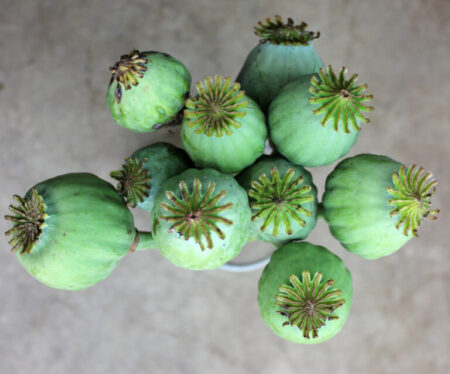
Fresh poppy pods are the seed capsules of the opium poppy (Papaver somniferum), harvested shortly after the flower’s petals fall. At this stage, the pods are green, firm, and moisture-rich, with a smooth surface and a distinctive crown-like disk on top. They are valued in floral design and botanical collections for their sculptural form and muted, natural color.
Botanical Overview
The opium poppy has been cultivated for thousands of years for multiple purposes, including ornamental gardening and seed production. After blooming, the petals drop and the ovary develops into a capsule—the poppy pod—containing numerous tiny seeds. Fresh pods are typically collected before they fully dry, which preserves their pliability and color.
It’s important to understand that while the plant species is historically associated with certain alkaloids, the presence, concentration, and handling of such compounds are subject to strict legal controls in many jurisdictions. This context shapes how poppy-derived materials can be grown, sold, and used.
Distinguishing Pods from Petals
A common misconception is that petals and pods have the same properties or uses. In reality, the petals are delicate, short-lived, and primarily ornamental, while the pod is the enduring structure that houses seeds. In decorative contexts, petals are rarely used fresh due to their fragility, whereas pods are prized for their longevity and structure.
Legitimate Uses
Fresh poppy pods are most commonly used in:
- Floral arrangements: Their geometric shape adds contrast and structure to bouquets and centerpieces.
- Dried decor: Pods can be air-dried to preserve their form for long-term use in wreaths and installations.
- Botanical study and art: Artists and educators use pods as examples of plant morphology and natural design.
These uses focus on aesthetics and education rather than any chemical properties.
Quality and Handling
When selecting fresh poppy pods, look for firm capsules with even green coloration and intact stems. Avoid pods that are soft, discolored, or show signs of mold. For best results in arrangements, use them soon after purchase or begin drying promptly.
Air drying is the simplest preservation method: hang stems upside down in a cool, well-ventilated space away from direct sunlight. Over time, pods will harden and shift to muted tan or brown tones while retaining their shape.
Legal Considerations
Regulations concerning Papaver somniferum vary widely by country and region. While poppy seeds for culinary use are broadly legal, other parts of the plant may be restricted. Laws may govern cultivation, sale, and possession of pods, especially in fresh form. If you plan to purchase or transport fresh poppy pods, check local regulations and ensure your supplier complies with applicable rules.
Responsible Sourcing
Choose reputable vendors who clearly describe their products and follow lawful, ethical practices. Locally sourced materials can reduce transport impact and provide greater transparency about how the plants are grown and harvested.
Final Thoughts
Fresh poppy pods offer a unique blend of form, texture, and natural elegance for decorative and educational uses. By understanding their botanical characteristics, respecting legal boundaries, and sourcing responsibly, you can appreciate these distinctive plant elements in a safe and appropriate way.
