
- Your cart is empty
- Continue shopping
-
sales@primiumpoppypods.com
- Posted on
- Categories:Uncategorized
- 0 comments
Fresh Poppy Pods: Uses, Characteristics, and Responsible Sourcing
Fresh poppy pods are distinctive botanical elements valued for their natural form, subtle coloration, and versatility in decorative and craft applications. Harvested at a specific stage of maturity, these seed capsules offer a unique combination of aesthetic appeal and practical use. For anyone interested in floral design, botanical collections, or sustainable decor, understanding fresh poppy pods in depth can help ensure better quality choices and responsible usage.
What Are Fresh Poppy Pods?
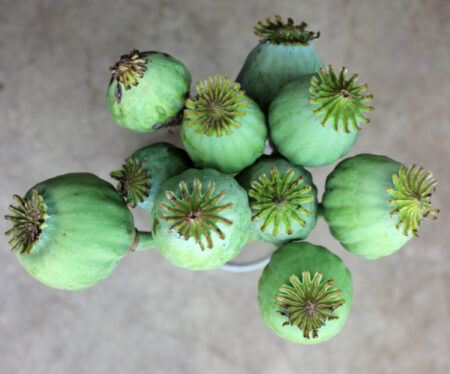
Fresh poppy pods are the seed heads of poppy plants, collected shortly after the petals have fallen. At this stage, the pods are typically green or bluish-green, with a smooth surface and a firm yet slightly pliable texture. Unlike dried pods, which are brittle and muted in tone, fresh pods retain moisture and flexibility, making them easier to handle and shape in creative projects.
Different varieties of poppies produce pods in a range of sizes and forms, from small, rounded capsules to larger, elongated shapes. This diversity allows for a wide range of design possibilities, especially in natural and rustic arrangements.
Key Characteristics and Quality Indicators
When selecting fresh poppy pods, several quality factors should be considered. High-quality pods are firm to the touch, evenly colored, and free from visible damage such as cracks, mold, or discoloration. The stem should be intact and sturdy, which is important for both handling and display.
Freshness is another critical aspect. Recently harvested pods will last longer and maintain their appearance better over time. Pods that feel soft, overly damp, or have an unpleasant odor may already be deteriorating and should be avoided.
Common Uses
Fresh poppy pods are widely used in floral arrangements, where they add texture and visual interest. Their natural geometry complements both modern minimalist designs and more traditional, rustic styles. They are often combined with dried grasses, flowers, and branches to create balanced, organic compositions.
In crafting, fresh pods can be used for handmade decorations, artistic installations, and seasonal displays. Because they can be dried at home, they offer flexibility for long-term use. Once dried, they retain their structure and can be incorporated into wreaths, centerpieces, and other decorative items.
Drying and Preservation
One of the advantages of fresh poppy pods is the ability to control the drying process. Air drying is the most common and effective method. Simply bundle the stems and hang them upside down in a cool, dry, and well-ventilated area. Over time, the pods will harden and their color will shift to more muted tones.
Proper drying helps preserve the shape and integrity of the pods while preventing mold or decay. It is important to avoid high humidity or direct sunlight, as these conditions can negatively affect the final result.
Responsible and Legal Considerations
While fresh poppy pods are widely appreciated for decorative purposes, it is important to be aware of local regulations regarding their cultivation and sale. In some regions, poppy plants are subject to legal restrictions due to their association with controlled substances. Always ensure that your purchase and use comply with applicable laws.
Additionally, sourcing from reputable growers who follow ethical and sustainable practices supports responsible agriculture and ensures better product quality.
Final Thoughts
Fresh poppy pods are a versatile and visually appealing natural material with a wide range of applications. By focusing on quality, proper handling, and responsible sourcing, you can fully appreciate their unique characteristics while making informed and sustainable choices. Whether used fresh or dried, poppy pods offer a timeless botanical element that enhances creativity and natural design.
