
- Your cart is empty
- Continue shopping
-
sales@primiumpoppypods.com
- Posted on
- Categories:Uncategorized
- 0 comments
Introduction to Eco-Friendly Dried Flowers
Eco-friendly dried flowers have gained increasing attention in recent years as people seek sustainable alternatives to fresh floral arrangements. Unlike fresh flowers, which require water, refrigeration, and chemical treatments to remain attractive, dried flowers are naturally preserved and long-lasting. As a result, they offer an environmentally conscious way to enjoy floral beauty while reducing waste and resource consumption. From home décor to event styling, eco-friendly dried flowers combine elegance with sustainability.
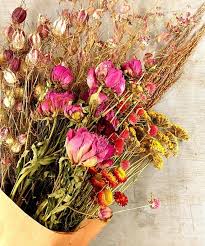
Benefits of Eco-Friendly Dried Flowers
The primary advantage of eco-friendly dried flowers is their sustainability. For instance, they extend the life of flowers that might otherwise be discarded after a few days. In addition, they eliminate the need for frequent replacements, reducing both water usage and carbon emissions associated with transporting fresh blooms. Furthermore, dried flowers require no chemical preservatives or refrigeration, making them a healthier choice for both people and the environment. Consequently, they are increasingly favored by eco-conscious consumers, florists, and event planners.
Popular Flowers for Eco-Friendly Arrangements
Not all flowers dry well, but certain varieties are particularly suited for eco-friendly arrangements. For example, lavender, roses, hydrangeas, eucalyptus, baby’s breath, and pampas grass are widely used due to their ability to retain shape and color after drying. Moreover, seed pods and ornamental grasses are often incorporated to add texture and variety. Because these plants can be locally sourced and require minimal processing, they contribute to a lower environmental footprint compared with imported fresh flowers.
Methods of Creating Eco-Friendly Dried Flowers
There are several methods to dry flowers sustainably. Traditionally, air-drying is the simplest and most eco-friendly technique: flowers are hung upside down in a dark, well-ventilated space without using electricity or chemicals. Alternatively, pressing flowers or using natural desiccants such as sand or clay can preserve blooms effectively. In contrast, some modern techniques, such as freeze-drying, use more energy but still extend flower longevity. Overall, choosing low-energy, chemical-free methods ensures that the dried flowers remain eco-friendly from start to finish.
Uses and Applications
Eco-friendly dried flowers are versatile in both décor and crafts. For example, they can be arranged into wreaths, garlands, table centerpieces, and wall hangings. Moreover, they are popular in wedding bouquets and event décor for clients seeking sustainable alternatives. In addition, crafters use dried flowers for resin art, handmade cards, and jewelry, making them a creative and environmentally responsible medium. Therefore, eco-friendly dried flowers allow for beauty and functionality without compromising sustainability.
Care and Longevity
Dried flowers are low-maintenance, but proper care ensures they last for years. Specifically, they should be kept away from direct sunlight, moisture, and strong airflow. Additionally, gentle dusting helps preserve their appearance. With proper care, these dried flowers continue to bring beauty into homes, offices, and events while minimizing environmental impact.
Conclusion
In conclusion, eco-friendly dried flowers are a sustainable and aesthetically pleasing alternative to fresh blooms. Ultimately, their long-lasting nature, low environmental impact, and versatility make them an ideal choice for modern, conscious consumers. By incorporating these flowers into décor, crafts, and events, individuals can enjoy nature’s charm while supporting a greener, more sustainable lifestyle.
