
- Your cart is empty
- Continue shopping
-
sales@primiumpoppypods.com
- Posted on
- Categories:Uncategorized
- 0 comments
A Comprehensive Guide to Drying Poppy Seed Pods: Tips, Benefits, and Uses
Drying poppy seed pods is a simple and rewarding process, especially if you’re interested in using these beautiful natural elements for home décor, crafting, or even harvesting seeds. Known for their unique texture and striking appearance, dried poppy pods are a popular choice in the world of floristry and DIY projects. In this guide, we will explore the steps to dry poppy seed pods, the benefits of doing so, and some creative ideas for using them.
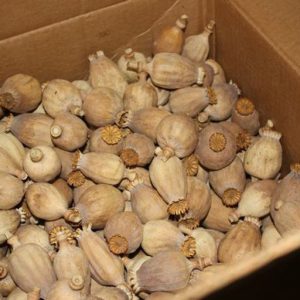
Why Dry Poppy Seed Pods?
Poppy seed pods are harvested from the Papaver somniferum (opium poppy) or other varieties of poppies once the flowers have bloomed and the petals have fallen off. Drying the pods helps preserve their delicate structure and natural beauty. Once dried, they become a durable, long-lasting item that can be used in a wide range of artistic, decorative, and even educational applications.
By drying poppy pods, you can extend their shelf life, keep their vibrant colors, and use them year-round in various projects. Whether you’re a florist looking to add a rustic touch to your bouquets or a crafter seeking unique materials for your next DIY project, drying poppy pods is a worthwhile skill to learn.
Steps to Dry Poppy Seed Pods
The process of drying poppy pods is relatively easy, and with a little patience, you can preserve them for months or even years. Here’s a step-by-step guide to drying your poppy seed pods:
1. Harvest the Poppy Pods
The best time to harvest poppy pods is when they have fully matured but before the pods begin to open. You’ll want to wait until the pods are firm, and their color has deepened. If you’re collecting from Papaver somniferum, you’ll see that the pods are often light green or slightly brown when they are ready to harvest. Avoid picking them when they are still soft and immature, as this can affect the drying process.
2. Cut the Stems
Use a sharp pair of garden shears or scissors to cut the stems about 4 to 6 inches below the pod. Be careful not to damage the pods when cutting the stems. If you plan to use the stems for crafting as well, you may want to leave them longer, but a shorter stem is easier to handle during the drying process.
3. Prepare for Drying
To dry poppy seed pods, you can either hang them upside down or place them flat on a drying surface. If you’re hanging them, bundle several stems together with string or twine and tie them securely. Make sure the pods are not touching each other to allow for proper air circulation, which helps prevent mold.
If you prefer laying them flat, arrange the poppy pods on a clean, dry surface such as a piece of cardboard or a drying rack. Spread the pods out in a single layer to ensure that air can flow freely around them.
4. Drying Environment
Find a cool, dry, and dark place to hang or lay your poppy pods. Avoid direct sunlight, as it can cause the pods to fade or become brittle. A well-ventilated area, such as an attic, garage, or spare room, is ideal. The drying process can take anywhere from two weeks to a month, depending on humidity and air circulation. Make sure to check periodically for any signs of mold or mildew.
5. Storage
Once the pods are completely dry, they’ll have a firm, papery texture. Store dried poppy seed pods in a dry, cool environment away from direct sunlight. You can use airtight containers or boxes to protect them from dust and damage. For added protection, you can place them in a cloth bag or a sealed plastic container.
Benefits of Drying Poppy Seed Pods
- Longevity: Drying poppy pods increases their shelf life, making them a long-lasting material for crafts, décor, and educational purposes.
- Preservation of Color and Shape: By properly drying the pods, you preserve their color, shape, and texture. This helps maintain their aesthetic appeal for months or even years.
- Economic: Drying your own poppy pods saves money, especially if you grow your own poppies. Instead of purchasing dried pods from stores or online, you can harvest and dry your own, making it a cost-effective option for those who regularly use them in crafts or décor.
- Creative Use: Dried poppy pods offer endless possibilities for creativity. You can use them in floral arrangements, wreaths, centerpieces, or even paint and decorate them for additional customizations.
Creative Uses for Dried Poppy Seed Pods
Once dried, poppy seed pods can be used in various creative projects:
- Floral Arrangements: Incorporate dried poppy pods into bouquets, wreaths, or table centerpieces. They add texture and a natural, rustic feel to any arrangement.
- Crafting: Use the pods in DIY projects, such as creating decorative garlands, homemade ornaments, or even jewelry. With a little paint or embellishments, poppy pods can become personalized creations.
- Home Décor: Add dried poppy pods to your home décor for a bohemian or farmhouse-style look. They can be placed in vases, used in wall hangings, or added to other natural décor elements.
- Symbolic Use: In many cultures, poppies symbolize remembrance and peace. Use dried poppy pods in memorial displays or as part of rituals and ceremonies.
Conclusion
Drying poppy seed pods is a simple process that can yield beautiful and long-lasting results. Whether you’re looking to preserve the natural beauty of poppy pods for crafting, décor, or educational purposes, this process allows you to enjoy them for months to come. By following these straightforward steps, you can successfully dry your own poppy pods and incorporate them into your next creative project. Their unique texture, color, and shape make them a versatile and timeless addition to any DIY collection.
