
- Your cart is empty
- Continue shopping
-
sales@primiumpoppypods.com
- Posted on
- Categories:Uncategorized
- 0 comments
Dry Poppy Pods: A Botanical Overview and Their Decorative Appeal
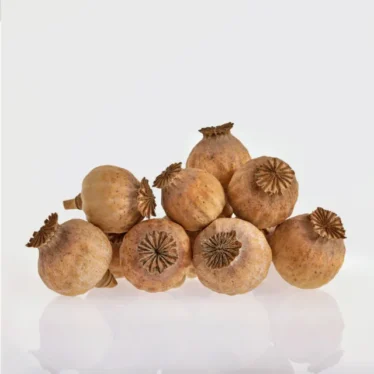
Dry poppy pods are the mature seed capsules of the poppy plant that remain after the flower has completed its bloom cycle. Once the colorful petals fall, the plant develops a rounded capsule filled with tiny seeds. When these capsules are harvested and naturally dried, they become what are commonly known as dry poppy pods. Their distinctive shape, natural texture, and durability have made them popular in floral design, craft projects, and botanical collections.
Understanding the Structure of Poppy Pods
Poppy pods develop from the flower of the poppy plant, most commonly the species Papaver somniferum. After pollination occurs, the flower petals drop away and the ovary of the flower begins to form a seed capsule. This capsule gradually expands and fills with hundreds or sometimes thousands of tiny seeds.
One of the most recognizable features of a poppy pod is the crown-like structure on its top, called the stigma disc. This flat, star-shaped disc sits above the capsule and is a key identifying characteristic of poppy seed pods.
As the capsule matures and dries, its outer shell becomes firm and woody. Dry poppy pods typically range in size from about 2 to 6 centimeters in diameter, though this can vary depending on the variety and growing conditions.
Historical and Cultural Background
Poppies have been cultivated for thousands of years across many parts of the world, particularly in regions surrounding the Mediterranean and parts of Asia. Historically, people grew poppies for their seeds, which have long been used in cooking and baking.
Throughout history, the poppy plant has also gained symbolic meaning in various cultures. In ancient mythology, poppies were associated with sleep and dreams because of the plant’s historical connection to sedative compounds. In modern times, poppies have become internationally recognized symbols of remembrance for fallen soldiers, especially following the widespread appearance of poppies on battlefields during World War I.
Decorative Uses of Dry Poppy Pods
Today, one of the most common uses for dry poppy pods is in decorative and creative applications. Their natural earthy color and sculptural form make them attractive additions to a wide range of designs.
Florists often incorporate dry poppy pods into dried flower arrangements. Their rounded shape creates visual balance and adds texture alongside materials such as dried grasses, wheat stalks, lavender, and eucalyptus.
They are also frequently used in:
- Rustic home décor
- Wreaths and seasonal decorations
- Potpourri mixtures
- Botanical art displays
- Handmade craft projects
Because the pods are naturally durable, they can maintain their appearance for many years if stored in dry conditions.
Botanical and Educational Interest
Dry poppy pods are also useful in botanical studies. Their structure clearly illustrates how plants protect and distribute seeds. When the capsule fully matures, small openings form beneath the stigma disc, allowing seeds to disperse when the pod moves in the wind.
This natural seed dispersal system makes poppy pods a valuable example for teaching plant reproduction and seed development. As a result, dried pods are sometimes included in plant specimen collections or educational demonstrations.
Legal Considerations
Since the species Papaver somniferum is also associated with the production of opium-derived substances, regulations regarding poppy plants and pods can vary between countries and regions. In some places, the cultivation or sale of poppy pods may be restricted or regulated.
Anyone interested in obtaining or using dry poppy pods should review local regulations to ensure compliance with the laws in their area.
Conclusion
Dry poppy pods are remarkable natural structures that combine botanical interest with decorative versatility. Their unique form, historical significance, and long-lasting durability make them appealing to florists, artists, educators, and plant enthusiasts. When used responsibly and in accordance with local regulations, dry poppy pods remain a fascinating example of the beauty and complexity found in the plant world.
