
- Your cart is empty
- Continue shopping
-
sales@primiumpoppypods.com
- Posted on
- Categories:Uncategorized
- 0 comments
Dried Poppy Pods Opium — Botanical Facts, Legal Status, and Safety Risks
Dried poppy pods opium discussions often begin with confusion. Many people see the decorative seed heads sold online and do not realize they come from Papaver somniferum, the same plant historically used to produce opium. Understanding the botanical facts, chemical properties, and legal framework helps separate myth from reality.
The Plant Behind the Pods
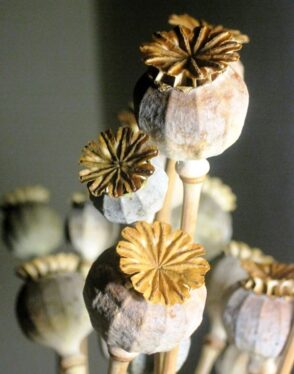
Papaver somniferum, commonly called the opium poppy, produces large, colorful flowers. After the petals fall, the plant develops a rounded seed capsule, commonly referred to as a poppy pod. Farmers harvest these pods either for culinary poppy seeds or, in regulated pharmaceutical contexts, for alkaloid extraction.
Opium itself comes from the milky latex inside the unripe seed pod. When producers score the green pod, the latex seeps out and dries into a resin. This raw opium contains naturally occurring alkaloids such as morphine and codeine. Manufacturers then refine these compounds into prescription medications under strict government oversight.
When the pods fully mature and dry, they still may contain trace alkaloid residues. The concentration varies widely depending on growing conditions, harvest timing, and plant genetics.
Dried Poppy Pods vs. Raw Opium
It is important to distinguish between dried poppy pods and processed opium. Dried pods are the plant’s seed capsules after harvesting and drying. Raw opium refers specifically to the latex extracted from unripe pods. While dried pods may contain residual alkaloids, they do not equal refined opium products in form or potency.
However, people sometimes attempt to misuse dried pods by extracting alkaloids through homemade preparations. This practice poses serious health and legal risks. Alkaloid levels differ dramatically from one batch to another, making dosage unpredictable and potentially dangerous.
Legal Status and Regulation
Governments regulate Papaver somniferum because of its connection to narcotic production. In the United States, the Controlled Substances Act classifies opium poppy and poppy straw as Schedule II controlled substances when intended for alkaloid extraction. Licensed pharmaceutical companies may cultivate and process the plant under federal authorization.
Possessing dried poppy pods can raise legal concerns if authorities determine intent to extract alkaloids. Some vendors market pods for decorative purposes, but disclaimers do not override federal or state law. Other countries maintain their own regulatory systems, and some prohibit importation altogether. Anyone researching dried poppy pods opium topics should verify local laws before purchasing or possessing plant material.
Health Risks and Public Safety
The primary danger associated with dried poppy pods involves alkaloid exposure. Morphine and related compounds depress the central nervous system. Ingesting preparations made from pods can cause nausea, slowed breathing, unconsciousness, or fatal overdose. Because natural alkaloid concentrations fluctuate, users cannot reliably measure potency.
Public health authorities also warn about dependency and addiction. Opiates bind to receptors in the brain that regulate pain and reward. Repeated exposure increases tolerance and withdrawal symptoms, which drive compulsive use.
Responsible Understanding
Dried poppy pods have legitimate decorative and botanical interest. Florists, artists, and collectors value their sculptural shape and natural texture. At the same time, the plant’s chemical properties require caution and legal awareness.
Anyone exploring dried poppy pods opium information should rely on credible sources, understand the regulatory environment, and avoid unsafe experimentation. Clear knowledge protects both public health and personal safety while reducing the spread of misinformation surrounding this historically significant plant.
