
- Your cart is empty
- Continue shopping
-
sales@primiumpoppypods.com
- Posted on
- Categories:Uncategorized
- 0 comments
Dried Poppy Pods Online — Uses, Risks, and Legal Considerations
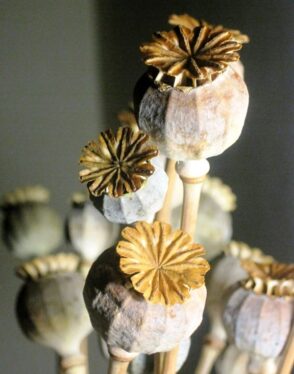
Many people search for dried poppy pods online to use in home décor, crafts, and botanical displays. These pods come from Papaver somniferum, commonly known as the opium poppy. After the flower petals fall, the plant forms a rounded capsule topped with a crown-like disk. Growers harvest these capsules and dry them, creating the distinctive pods sold through various online marketplaces. Their sculptural shape and muted earth tones make them especially attractive in rustic and farmhouse design styles.
Why People Buy Dried Poppy Pods
Many shoppers search for dried poppy pods online for decorative purposes. Interior designers and DIY enthusiasts use them in:
- Rustic home décor and farmhouse arrangements
- Wreaths and dried floral centerpieces
- Seasonal displays and craft projects
- Botanical collections or art installations
Their natural texture and architectural form add depth to floral compositions. Because each pod varies slightly in size and shape, designers value them for their organic, one-of-a-kind look.
Understanding the Difference: Poppy Seeds vs. Poppy Pods
Confusion often arises between poppy seeds and dried poppy pods. Grocery stores legally sell poppy seeds for baking because the seeds contain negligible alkaloid content. Bakers use them in breads, pastries, and traditional dishes around the world.
Dried poppy pods, however, differ significantly. The pods may retain trace amounts of naturally occurring alkaloids such as morphine and codeine. This chemical difference drives most of the legal and regulatory concerns surrounding their sale and possession.
Legal Status in the United States and Beyond
Anyone considering buying dried poppy pods online should research the law carefully. In the United States, federal law classifies opium poppy material and poppy straw under the Controlled Substances Act. Authorities can interpret possession of dried pods containing alkaloids as possession of a controlled substance, regardless of intent.
Some online vendors label their products “for decorative purposes only.” However, a disclaimer does not override federal or state law. Law enforcement agencies evaluate the material itself, not the marketing language attached to it.
Other countries apply different rules. Some permit ornamental sales under agricultural regulations, while others restrict importation entirely. Buyers must check local, state, and national regulations before placing an order. Importing restricted plant material can lead to confiscation, fines, or legal consequences.
Health and Safety Considerations
Consumers should never treat dried poppy pods as food or herbal products. People sometimes circulate misinformation online about brewing poppy pod tea, but doing so carries serious health risks. Alkaloid levels vary widely from plant to plant, making potency unpredictable. Ingesting preparations made from pods can cause respiratory depression, overdose, dependence, or death.
Households with children or pets should store dried pods securely. Although they serve as decorative items, they remain plant material that should not enter the food chain.
Buying Responsibly
If you choose to purchase dried poppy pods online, take several precautions:
- Verify that possession is legal in your jurisdiction.
- Research the seller’s reputation and product transparency.
- Use the pods strictly for decorative or artistic purposes.
- Consider safer alternatives such as lotus pods or other dried botanicals if legal uncertainty exists.
Dried poppy pods offer distinctive visual appeal, but they also carry legal and safety complexities. Responsible buyers educate themselves, follow the law, and prioritize safety over aesthetics.
