
- Your cart is empty
- Continue shopping
-
sales@primiumpoppypods.com
- Posted on
- Categories:Uncategorized
- 0 comments
Introduction to Dried Poppy Pods in Canada
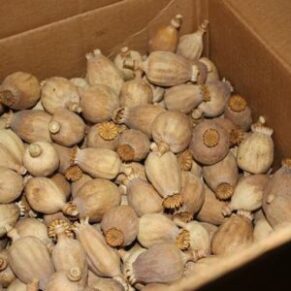
Dried poppy pods Canada is a keyphrase that reflects growing curiosity about the legal, decorative, and cultural aspects of these distinctive botanical items. In Canada, people value dried poppy pods—typically harvested from the Papaver somniferum plant—for their natural beauty and frequently use them in floral arrangements, crafts, and interior décor. However, their connection to opium production raises important legal considerations that consumers and sellers must understand.
Decorative and Horticultural Uses
Gardeners across Canada actively cultivate poppies for ornamental purposes and for their edible seeds, which bakers commonly use in breads and pastries. After the petals fall, the plant forms a rounded seed pod that gardeners can dry and preserve. Many decorators choose dried poppy pods for rustic and minimalist designs because the pods add texture and subtle, earthy tones.
Legal Status and Regulations
Legal concerns arise because Papaver somniferum also produces opium, a controlled substance. Although Canadian law allows the sale and consumption of poppy seeds due to their negligible alkaloid content, the pods themselves can contain trace amounts of opiate compounds. This difference places dried poppy pods under closer scrutiny and creates uncertainty for buyers and sellers.
Canadian authorities enforce the Controlled Drugs and Substances Act (CDSA) and may interpret dried poppy pods as falling within its scope. Customs officials sometimes intercept shipments of these pods, especially when buyers import them from international vendors. In some cases, regulators have penalized individuals or businesses that attempted to sell or distribute them without proper authorization.
Risks for Consumers and Businesses
Consumers who want to purchase dried poppy pods should evaluate risks carefully. Online marketplaces often advertise these items as decorative, but customs inspections can still result in confiscation. Buyers who choose domestic sellers may also face uncertainty because enforcement practices vary.
Businesses must take a proactive approach to compliance. Retailers and wholesalers should research current regulations and seek legal guidance before offering dried poppy pods for sale. By staying informed and cautious, businesses can reduce the risk of fines or legal disputes.
Ethical Considerations
Ethical considerations also shape the conversation. The association between poppy pods and opioid production influences public opinion and government policy. While most people use dried pods for decoration, regulators remain mindful of the broader opioid crisis and aim to prevent misuse.
Conclusion
In conclusion, dried poppy pods in Canada combine visual appeal with legal complexity. Gardeners and designers continue to appreciate their aesthetic qualities, but both consumers and businesses must stay aware of the regulatory landscape. A clear understanding of the rules helps individuals make informed decisions and avoid unnecessary legal complications.
