
- Your cart is empty
- Continue shopping
-
sales@primiumpoppypods.com
- Posted on
- Categories:Uncategorized
- 0 comments
Dried Poppy Pods: Uses, History, and Important Considerations
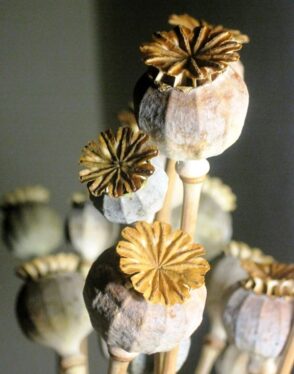
Dried poppy pods attract attention for their natural beauty, historical symbolism, and practical applications. Growers harvest them from the opium poppy plant, Papaver somniferum. These pods form as rounded seed capsules after the flower petals fall. As they dry, they develop sturdy, sculptural shapes that designers and artisans value for ornamental use.
Botanical Background
Papaver somniferum grows as an annual flowering plant native to the Mediterranean region. The plant produces large blooms in white, pink, purple, and red. After pollination occurs, the petals drop and the plant develops a bulbous seed capsule. Each pod contains hundreds of tiny poppy seeds that bakers commonly use in breads, cakes, and pastries.
As the pod matures, its outer shell hardens and turns tan or light brown. The top forms a distinctive crown-like disk, which gives the pod its recognizable appearance. This natural structure makes dried poppy pods especially appealing in decorative design.
Decorative and Craft Uses
Florists and interior designers frequently incorporate dried poppy pods into arrangements because they add texture, height, and visual contrast. Their muted, earthy tones complement rustic, farmhouse, and bohemian interiors. Many stylists pair them with dried grasses, eucalyptus, and preserved flowers to create balanced compositions.
Crafters also use dried poppy pods in:
- Wreaths and seasonal décor
- Potpourri blends
- Handmade ornaments
- Styled photography shoots
When owners store them in a dry environment, the pods maintain their structure for years. Their durability and organic form make them a popular choice for long-lasting natural décor.
Cultural and Historical Significance
Poppies hold symbolic meaning in many cultures. Artists and writers often link them with remembrance, peace, and sleep. After World War I, communities embraced the red poppy as a symbol of remembrance, inspired by the poem In Flanders Fields. Although dried pods differ from the red remembrance poppy species, they still reflect the broader symbolism associated with poppies.
Throughout history, farmers cultivated Papaver somniferum for medicinal purposes. The plant produces alkaloids such as morphine and codeine, which pharmaceutical companies refine into regulated pain-relief medications. This medical role shapes the plant’s complex global reputation.
Legal and Safety Considerations
Laws governing dried poppy pods vary by country and region. Because they come from the opium poppy, authorities regulate them in some jurisdictions. Buyers and sellers should review local regulations before purchasing, selling, or importing these pods.
People should treat dried poppy pods strictly as decorative items. They should not ingest or process them. Keeping them out of reach of children and pets helps prevent accidents and misuse.
Growing and Drying
Gardeners in regions where cultivation remains legal can grow Papaver somniferum from seed in well-drained soil under full sun. After the flowers bloom and drop their petals, growers allow the pods to mature on the stem. Once the pods turn brown and feel firm, gardeners cut them and dry them indoors in a well-ventilated space.
Conclusion
Dried poppy pods combine striking natural design with deep historical roots. Designers, gardeners, and artists value them for their sculptural form and lasting durability. By understanding local laws and handling them responsibly, enthusiasts can appreciate their beauty while avoiding legal or safety concerns.
