
- Your cart is empty
- Continue shopping
-
sales@primiumpoppypods.com
- Posted on
- Categories:Uncategorized
- 0 comments
Dried Poppy Pod Tea Heads: Uses, Benefits, and Considerations
Dried poppy pod tea heads are the mature seed capsules of the opium poppy plant (Papaver somniferum) that have been harvested and dried for use in teas and herbal infusions. Once the poppy flower has bloomed and its petals fall, the plant forms a rounded capsule that houses hundreds of tiny seeds. When these capsules are carefully dried, they can be steeped to make a traditional herbal tea that has been used for centuries in various cultures. Understanding the botanical, historical, and practical aspects of dried poppy pod tea heads helps ensure safe and informed use.
Botanical Structure of Poppy Pod Tea Heads
The opium poppy plant belongs to the family Papaveraceae and is widely cultivated for its seeds and capsules. After flowering, the petals fall, leaving behind the developing seed capsule, often called the “tea head” when prepared for infusion purposes.
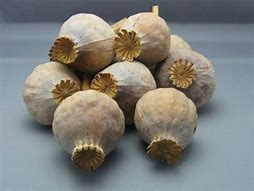
Each capsule is typically 2 to 6 centimeters in diameter and features a distinctive crown-like top called the stigma disc. This disc sits atop the pod and plays a key role in natural seed dispersal. Inside the capsule are numerous seeds, while the outer shell contains naturally occurring alkaloid compounds. These compounds have historically contributed to the tea’s calming effects when used in moderation.
Drying the pods preserves their structure and potency. Properly dried poppy pod tea heads have a firm, woody texture, and a natural tan or light brown color. When steeped, the pods release compounds that give the tea a subtle earthy flavor.
Historical and Cultural Context
The use of poppy pods for teas and medicinal purposes dates back thousands of years. Ancient civilizations in the Mediterranean, Middle East, and Asia cultivated Papaver somniferum for its seeds, oils, and sedative properties. Traditional herbalists often used poppy pod infusions to promote relaxation, support sleep, and relieve mild discomfort.
Cultural records also highlight the symbolic significance of poppies. In many societies, poppies represented rest, peace, and remembrance. The connection between poppy plants and calming effects helped shape their continued use in herbal teas and remedies.
Uses and Benefits
Dried poppy pod tea heads are primarily used for their relaxing properties. When brewed correctly, tea from these pods may help promote restful sleep and a sense of calm. Herbalists sometimes combine them with other calming botanicals like chamomile or lavender to enhance their effects.
In addition to their soothing properties, dried poppy pod tea heads are valued for their natural flavor and aroma. They provide a mild, earthy taste that complements a range of herbal blends. Many people also appreciate them for their educational and decorative qualities, as the pods’ unique shapes are visually striking in dried herb collections.
Safety and Legal Considerations
It is important to note that Papaver somniferum contains naturally occurring alkaloids, including trace amounts of morphine and codeine. These compounds can have potent effects in concentrated forms. Consequently, the cultivation, sale, and consumption of dried poppy pod tea heads are regulated in many countries.
Individuals should always research local laws before purchasing or preparing poppy pod tea and avoid excessive consumption to prevent potential health risks. Tea made from commercially sold, dried poppy pods intended for culinary or ornamental purposes is generally considered safer, but moderation remains essential.
Conclusion
Dried poppy pod tea heads represent a unique intersection of botany, history, and herbal tradition. Their distinctive capsules, calming properties, and historical significance make them intriguing for both herbal enthusiasts and botanical collectors. When used responsibly and in accordance with local regulations, poppy pod tea heads can provide a mild, soothing herbal infusion and offer a fascinating connection to centuries of human cultivation and traditional plant use.
