
- Your cart is empty
- Continue shopping
-
sales@primiumpoppypods.com
- Posted on
- Categories:Uncategorized
- 0 comments
Dried Poppy Pod Tea: Preparation, Background, and Key Considerations
Dried poppy pod tea is a traditional herbal preparation made from the dried seed pods of the opium poppy (Papaver somniferum). Interest in this tea often comes from historical or botanical curiosity, as the poppy plant has been cultivated for thousands of years. While poppy seeds are widely used in foods such as baked goods and pastries, the dried pods themselves can contain naturally occurring alkaloids, including morphine and codeine. Because of these compounds, dried poppy pod tea is a subject that requires both careful understanding and responsible discussion.
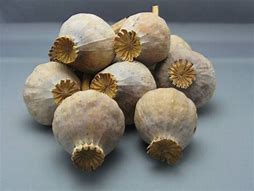
What Are Dried Poppy Pods?
After the petals of the poppy flower fall, the plant forms a round seed capsule known as a pod. Inside the pod are hundreds of small seeds that are commonly harvested for culinary use. Once the seeds are removed or the pod matures and dries naturally, the remaining shell is referred to as a dried poppy pod.
The outer surface of the pod may contain traces of poppy latex, which includes naturally occurring alkaloids. These compounds are part of the plant’s natural chemical defense system. The amount present can vary greatly depending on the poppy variety, growing conditions, soil quality, and harvesting methods.
How Dried Poppy Pod Tea Is Prepared
The preparation of dried poppy pod tea generally involves steeping crushed pods in hot water. While methods vary, the process is usually simple and similar to brewing other herbal teas.
First, the dried pods are lightly crushed or broken into smaller pieces. This increases the surface area of the plant material, allowing compounds to dissolve more easily during steeping.
Next, water is heated to a near boil. Once the water is hot, the crushed pod pieces are added and left to steep for around 15 to 20 minutes. During this time, the water extracts compounds from the pod material.
After steeping, the mixture is typically poured through a strainer or cheesecloth to remove the solid plant pieces. The remaining liquid is the tea itself. Because the natural flavor is often bitter or earthy, some people add honey, lemon, ginger, or cinnamon to improve the taste.
Why Potency Can Vary
One of the most important aspects of dried poppy pod tea is its unpredictability. The concentration of alkaloids in poppy pods is not uniform. Even pods harvested from the same field may contain different levels of these compounds.
Several factors influence potency:
- Genetic differences between poppy varieties
- Soil nutrients and environmental conditions
- The maturity of the pod at harvest
- Drying and storage methods
Because of these variables, the strength of tea made from dried pods can differ significantly from one batch to another.
Safety and Legal Considerations
Due to the presence of opioid alkaloids, dried poppy pod tea can produce significant physiological effects. This unpredictability can present health risks, particularly if large amounts are consumed or if the tea is combined with alcohol or other sedative substances.
Legal regulations regarding dried poppy pods also differ widely between countries and regions. In some places, possession or processing of poppy pods is restricted because of their alkaloid content. Anyone researching or handling them should be aware of the laws that apply in their jurisdiction.
Conclusion
Dried poppy pod tea is a preparation that reflects the long agricultural and cultural history of the opium poppy plant. While the brewing process itself is relatively simple, the variability of the plant’s natural compounds makes the topic complex. Understanding the botanical background, preparation methods, and safety considerations helps provide a more informed perspective on dried poppy pod tea.
